


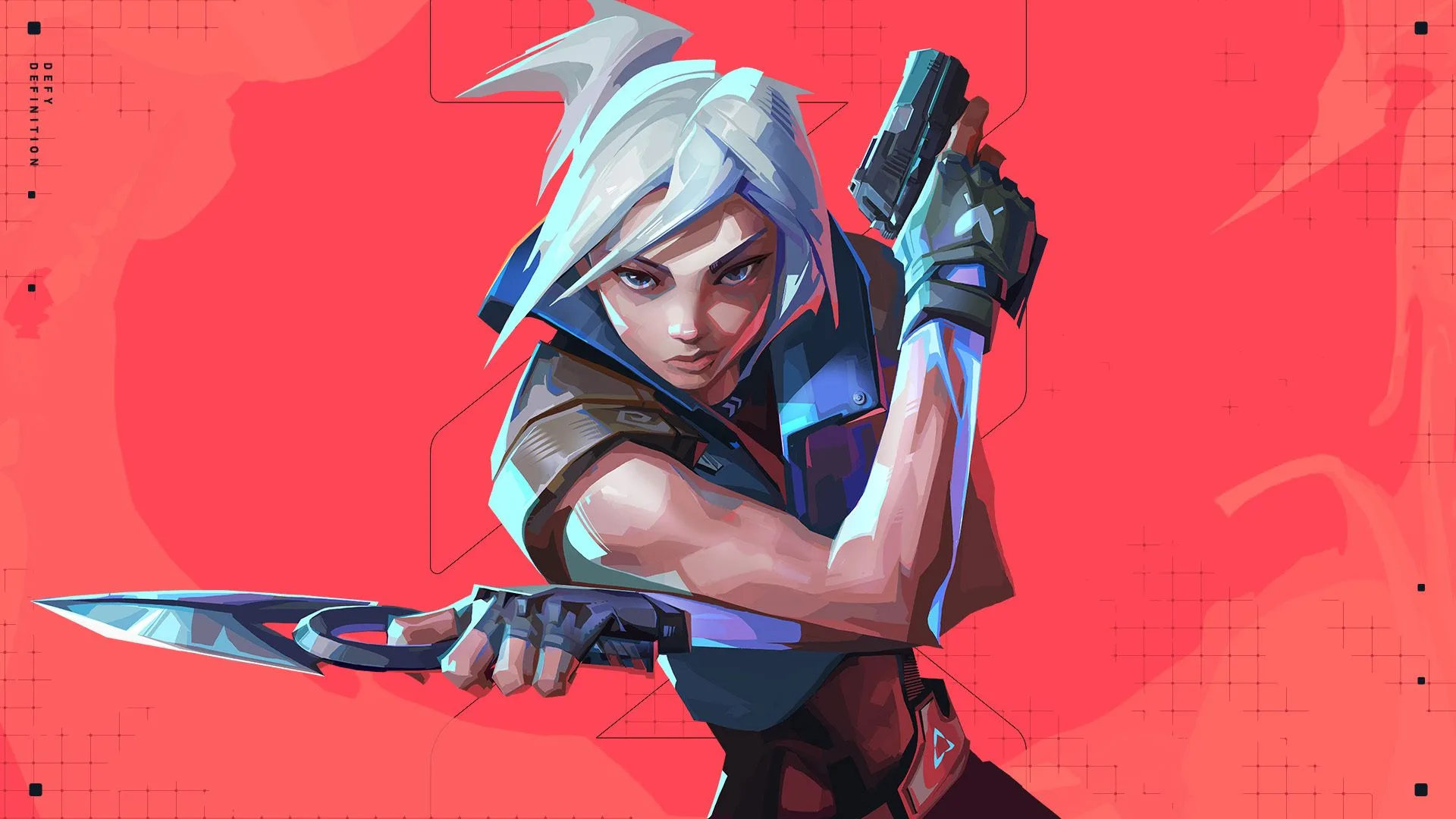
When Riot Games entered the competitive FPS arena in 2020, skeptics wondered if the market had room for another tactical shooter.
Fast forward to 2026, and Valorant has not only carved out its space—it’s redefined what a modern competitive shooter can be.
With a thriving esports scene, regular content updates, and a player base that spans the globe, Valorant proves that when you combine precise gunplay with unique character abilities, magic happens.
The Perfect Balance of Skill and Strategy
What makes Valorant special is its delicate balance between pure mechanical skill and strategic depth. Unlike traditional shooters where aim is everything, Valorant demands tactical thinking.
Each of the game’s diverse Agents brings unique abilities that can turn the tide of battle—smokes that block vision, walls that reshape the map, and ultimates that can single-handedly win rounds.
This creates a game where a player with perfect aim might still lose to a team with better coordination and strategy.
Duelists entry frag, Controllers shape the battlefield, Sentinels lock down sites, and Initiators gather information. Understanding these roles and how they interact is just as crucial as landing headshots.
A Constantly Evolving Meta
Riot’s commitment to keeping Valorant fresh is evident in their update cadence. New Agents arrive regularly, each bringing mechanics that force players to adapt. Maps rotate and get refined based on community feedback. Weapon balance patches ensure no single strategy dominates for too long.
This evolution keeps even veteran players on their toes. The Agent you mastered last season might have new counters this season.
Map changes can invalidate old setups and create new opportunities. It’s this constant state of adaptation that keeps the competitive ladder feeling fresh and challenging.
The Climb: From Iron to Radiant
Valorant’s ranked system is both its greatest achievement and its most punishing feature. The climb through Iron, Bronze, Silver, Gold, Platinum, Diamond, Ascendant, Immortal, and finally Radiant is a journey that tests not just your skills but your mental fortitude.
For players looking to experience higher-level gameplay or skip the grind through lower ranks, Valorant accounts with established rankings have become increasingly popular.
These accounts allow players to compete at their actual skill level immediately or to have secondary accounts for practicing new Agents without risking their main rank.
While smurfing remains controversial in the community, having multiple accounts has become common practice even among professional players.
The Esports Phenomenon
Valorant’s esports scene has exploded into one of gaming’s most-watched competitive landscapes. The VCT (Valorant Champions Tour) brings together the world’s best teams in matches that showcase the absolute peak of tactical FPS gameplay.
Watching professionals execute perfectly coordinated strategies, hit impossible shots, and clutch seemingly unwinnable rounds is both inspiring and humbling.
The production value of these events rivals traditional sports, with storylines, rivalries, and moments that transcend the game itself.
Teams like Sentinels, Fnatic, and Paper Rex have built massive followings, and players like TenZ, aspas, and Demon1 have become household names in gaming.
The Social Competitive Experience
Unlike many competitive games that feel like solo grinds, Valorant shines when played with friends. The five-player team structure encourages consistent groups, and the game’s communication systems reward teams that coordinate well.
Voice lines, ping systems, and the ability to share strategic information make teamwork accessible even with random teammates.
The game also walks a fine line with its social features. The all-chat allows for light trash talk and GGs, but Riot’s moderation systems keep toxicity more controlled than in many competitors. It’s not perfect—competitive gaming rarely is—but the effort to maintain a playable environment is noticeable.
Skin Culture and Personalization
Let’s be honest: Valorant’s cosmetic game is on another level. The weapon skins aren’t just recolors—they’re fully animated works of art with unique sound effects, visual effects, and kill animations.
The Elderflame, Reaver, and Protocol 781-A collections have become iconic, and unboxing a rare variant can feel as exciting as ranking up.
This attention to cosmetic detail has created a thriving skin culture. Players debate the best collections, show off their loadouts, and yes, sometimes spend more on skins than they’d like to admit. But when that perfectly timed ace is punctuated by your favorite skin’s finisher animation? Worth it.
Accessibility Meets Depth
One of Valorant’s smartest design choices is its scalability. The game runs smoothly on modest hardware, ensuring a wide player base can compete on even footing.
The low system requirements combined with free-to-play access remove barriers that kept many players from trying competitive shooters.
Yet beneath this accessible exterior lies incredible depth. Movement techniques like jiggle peeking and counter-strafing, ability combinations that require frame-perfect timing, economic management across rounds—mastering Valorant is a journey that rewards dedication with tangible skill growth.
The Future Looks Bright
As we move through 2026, Valorant shows no signs of slowing down. Each act brings new content, balance changes, and quality-of-life improvements. The esports scene continues to grow, the player base remains engaged, and new players are discovering the game daily.
What Riot created isn’t just another shooter—it’s a platform for competitive expression that rewards both individual brilliance and team synergy.
Whether you’re grinding ranked, watching pro matches, or just enjoying casual games with friends, Valorant delivers moments of tension, triumph, and occasionally, tilting defeat.
