


In the 21st century, video games have evolved far beyond a simple leisure activity and have become one of the most influential segments of the digital industry.
They are shaping new models of content consumption, transforming approaches to entertainment creation, and driving technological innovation.

Modern games combine elements of cinema, music, social media, and interactive art, creating a unique and immersive experience for users.
As a result, their influence extends well beyond gaming itself, impacting streaming, esports, education, and even business. In this article, we explore how video games are shaping the landscape of modern digital entertainment.
Video Games as the Center of Digital Culture and Information Space
Over the past two decades, video games have transformed from a niche hobby into one of the most powerful components of the global entertainment industry.
Today, they do not merely compete with film or music — they set trends, build communities, and define how digital content is consumed.
Interactivity has become a defining feature of contemporary culture, and the gaming industry was the first to prove that audiences no longer want to remain passive observers. They want to influence the storyline, interact with characters, and create their own unique experiences.
Thanks to the global reach of the internet, players from different parts of the world unite in communities where they discuss updates, tournaments, and new releases.
The information ecosystem surrounding games has become an independent space — from streaming platforms to specialized portals with gaming news that quickly cover releases, patches, esports events, and industry changes.
Video games generate not only products but also a continuous flow of related content: news, analysis, reviews, video blogs, and live broadcasts.
Moreover, games influence the language of the digital environment. Meme culture, slang, and community-specific jokes often spread far beyond gaming platforms and become part of broader internet discourse.
Characters and virtual worlds expand into social media, advertising campaigns, music, and even political messaging. As a result, video games are no longer just entertainment; they are a significant cultural and informational phenomenon.
The Impact of Games on Streaming, Esports, and New Content Formats
One of the most visible consequences of the rise of video games has been the rapid growth of streaming culture. Streaming platforms have enabled players to turn their hobby into a profession, while viewers can watch gameplay in real time.
A completely new form of entertainment has emerged: watching games as an independent content genre. Streamers have become influencers, and their broadcasts often attract hundreds of thousands of viewers simultaneously.
At the same time, esports has developed into a global competitive industry. Tournaments are held in large arenas and broadcast to millions of viewers worldwide. Professional teams, sponsors, analytical studios, and full-scale media coverage have become standard components of major esports events.
Competitive gaming is increasingly integrated into mainstream sports discourse, with players gaining celebrity status, fan bases, and lucrative contracts.
Gaming content has also stimulated the development of new digital formats: let’s plays, in-depth game analysis, reaction videos, and video essays exploring narrative design and mechanics.
Audiences are no longer interested only in watching someone complete a game; they seek thoughtful commentary and deeper insight into creative and technical decisions.
In this way, video games have become a catalyst for the evolution of digital media, reshaping how entertainment content is produced and consumed.
Technological Innovation and Its Influence on the Entertainment Industry
Video games often act as drivers of technological progress. The development of advanced graphics processors, virtual reality (VR), augmented reality (AR), and cloud gaming has been significantly influenced by the needs of the gaming industry.
High demands for performance and realism push companies to invest in cutting-edge technologies, many of which later find applications in other sectors, including film production and healthcare.
For example, motion capture technologies widely used in video games have become a standard tool in modern filmmaking. Game engines are now employed to create visual effects and support virtual production in movies and television series.
As a result, the boundaries between interactive and linear entertainment formats are gradually fading, with gaming technologies reshaping the broader visual content industry.
In addition, online infrastructure and microtransaction systems have transformed business models within entertainment.
Subscriptions, battle passes, and digital items have introduced new monetization strategies that other industries increasingly adopt. Video games demonstrate how content, service, and community can be combined into a sustainable, long-term ecosystem.
The Social Impact of Games and the Transformation of Interaction
Video games have significantly transformed social interaction in the digital age. Online multiplayer environments serve as platforms for communication, collaboration, and even education.
Players form friendships, build teams, and develop communication and strategic skills. In many cases, gaming communities evolve into fully developed social groups with their own culture and traditions.
During global crises, including the COVID-19 pandemic, games played a crucial role as virtual social spaces where people could maintain connections and reduce feelings of isolation.
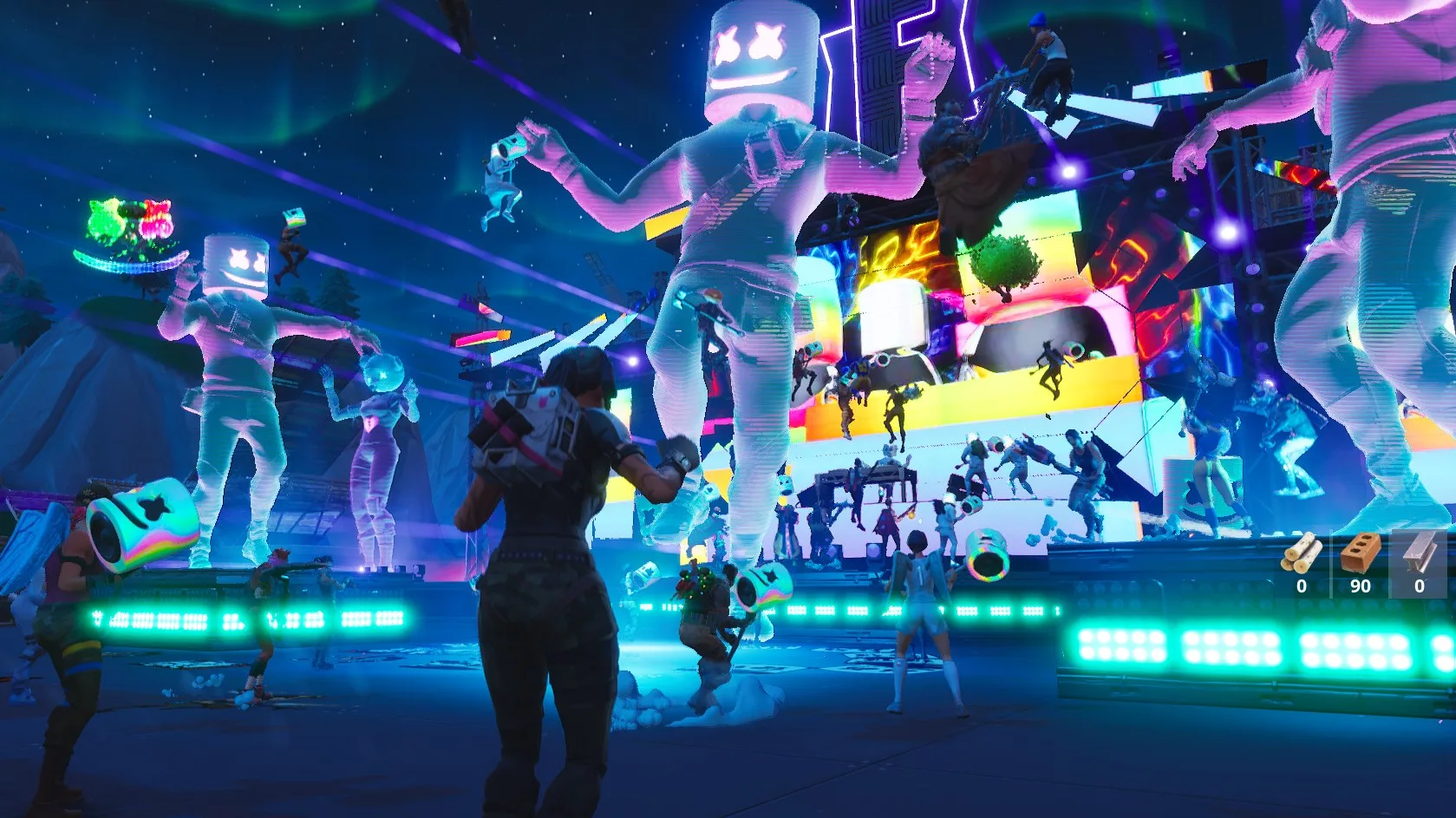
Virtual worlds became alternatives to physical gatherings, and in-game events turned into concerts, presentations, and festivals. This demonstrated that gaming platforms can function as universal digital venues for shared experiences.
Furthermore, games influence education and professional development. Gamification is widely used in academic programs, corporate training, and marketing strategies. Game design principles — such as reward systems, progression levels, and achievements — enhance motivation and engagement.
Consequently, video games shape not only the entertainment industry but also broader approaches to how individuals interact with digital environments.
Conclusion
Video games have become one of the key forces transforming modern digital entertainment. They have redefined how content is consumed, accelerated technological innovation, and fostered global communities.
Interactivity, social connectivity, and technological advancement are the three core elements that have positioned gaming at the center of digital culture.
Today, the boundaries between games, film, music, and social media are increasingly blurred. These sectors influence one another, adopt shared formats, and integrate similar tools. Video games frequently serve as the driving force behind these transformations.
As technology continues to evolve, their impact will only grow, shaping new models of entertainment, communication, and digital experience for millions of people worldwide.
