


Picture two candidates sitting in a job interview. One has a flawless technical background — top certifications, years of hands-on experience, every hard skill checked off.
The other is strong technically but stands out for something harder to measure: the ability to listen, adapt, and bring people together under pressure.
More and more, employers are choosing the second candidate. This is not a corporate buzzword — it is a measurable shift reshaping how careers are built.
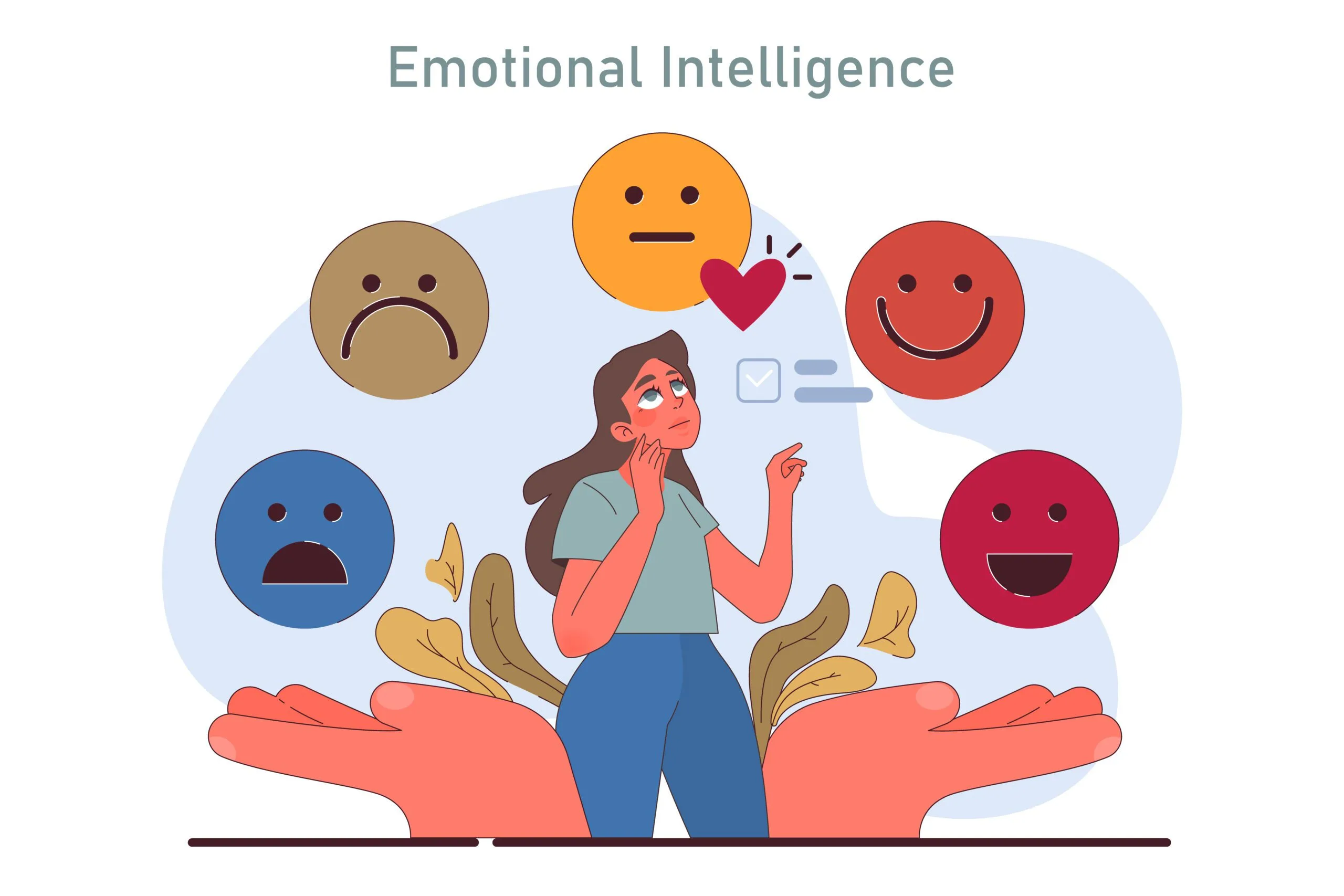
What Changed and Why It Matters Now?
Automation and artificial intelligence have made purely technical tasks easier to delegate to machines. What they still cannot replicate is the ability to read a room, manage conflict, or navigate a difficult conversation with empathy.
The World Economic Forum’s Future of Jobs Report 2025 confirms this. Among its top-ranked workforce skills, several EQ-related competencies — resilience, flexibility, motivation, self-awareness, and leadership with social influence — feature prominently alongside analytical and technological skills.
The Five Pillars of Emotional Intelligence
Psychologist Daniel Goleman’s framework breaks emotional intelligence into five core components:
- Self-awareness — recognizing your own emotions and how they influence your behavior.
- Self-regulation — managing impulses and reactions, especially under pressure.
- Motivation — maintaining internal drive beyond external rewards like salary or status
- Empathy — genuinely considering other people’s emotional states.
- Social skills — building relationships, resolving disagreements, and communicating clearly.
Each of these can be measured, practiced, and improved over time, which is why organizations are investing heavily in EQ training.
How EQ Shapes Real Workplace Outcomes?
It is one thing to say emotional intelligence matters. It is another to see it play out in measurable results. Research from TalentSmart, which tested emotional intelligence alongside 33 other workplace skills, found that EQ is the strongest predictor of performance — explaining 58% of success across all types of jobs.
Their data also shows that 90% of top performers score high in emotional intelligence, while only 20% of bottom performers do. On average, people with high EQ earn $29,000 more annually than those with lower scores.
The effects go beyond individual performance. Teams led by emotionally intelligent managers report higher engagement, lower turnover, and stronger collaboration.
In high-pressure environments — healthcare, finance, emergency services — EQ often determines whether a team functions smoothly or falls apart under stress.
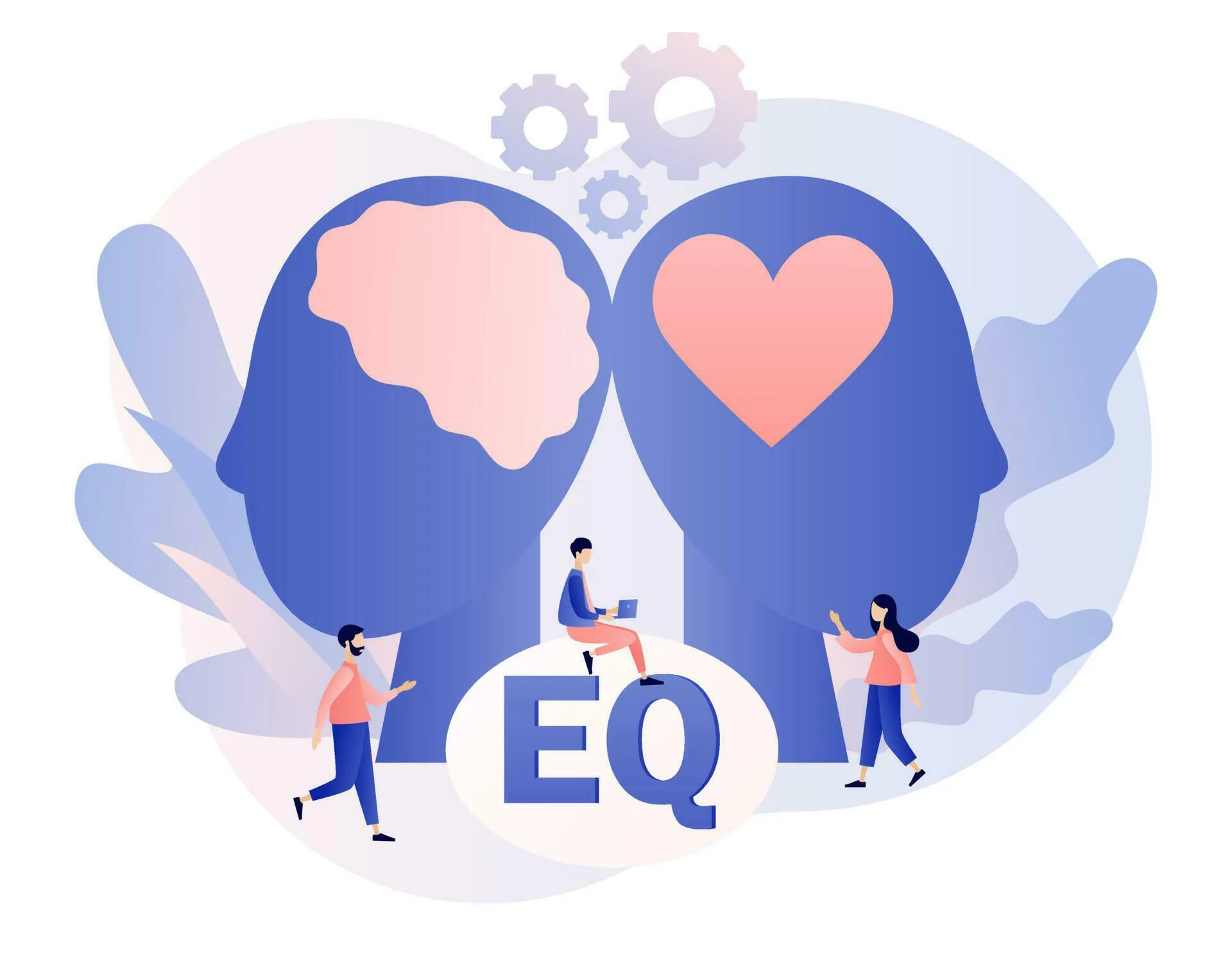
Technical Skills Still Matter, But Differently
Hard skills are not irrelevant — a software engineer still needs to write functional code. The shift is about how technical and emotional skills interact. The engineer who codes brilliantly but alienates every teammate creates bottlenecks.
Emotional intelligence acts as a multiplier, making technical expertise more effective by ensuring knowledge is shared and communicated in ways others can act on.
You can see this dynamic even in high-stakes leisure settings. In the gambling world, players who rely solely on memorizing odds often plateau, while those who manage their emotional responses gain a real advantage.
Whether playing poker or trying different table games at Verde, experienced players know that staying composed after a loss and resisting impulsive bets separates a rewarding session from a frustrating one. Emotional discipline matters everywhere.
How to Start Building Your EQ?
Unlike IQ, emotional intelligence is remarkably trainable. A few practical methods have strong research backing:
- Active listening — focus on the speaker’s message and tone instead of planning your response.
- Journalling — reflect regularly on emotional patterns and triggers.
- Seeking feedback — ask trusted colleagues for honest input, even when uncomfortable.
- Mindfulness practice — short daily sessions improve self-regulation and reduce reactive behaviour.
Consistency is key. Treating EQ development like any other skill — practicing deliberately, tracking progress — delivers far better results than waiting for awareness to develop on its own.
Why Latvia’s Job Market Reflects This Global Shift?
Latvia’s labor market mirrors this worldwide trend. Employers increasingly prioritize candidates who demonstrate adaptability and strong communication alongside technical qualifications.
As Riga attracts IT companies, fintech startups, and international businesses, the competition demands people who can lead and collaborate in fast-changing environments.
Industries where emotional intelligence is becoming especially critical include:
- IT and software development — where cross-functional teamwork and client communication are daily requirements.
- Healthcare — where empathy directly affects patient outcomes.
- Financial services — where trust-building drives client retention.
- Education — where motivating students requires constant emotional awareness.
Moving Forward With Both Skill Sets
The professionals best positioned for the next decade will develop both technical expertise and emotional intelligence deliberately. Start by auditing where you stand — which of the five EQ pillars comes naturally, and which needs work?
Invest in that gap the same way you would invest in learning a new programming language. The future belongs to people who can think sharply and connect deeply.
