


Chromebooks have become all the rage in the Philippines, with many people praising them for their ease of use. To add to this, they are also very practical compared to the typical laptops in terms of their overall design.
As such, even casino enthusiasts have turned to these devices for their convenience. After all, these devices can quickly load the best online casino Philippines and can support several hours of playing.
But it is not just gamers who are exploring these devices. They have also made their way to the homes of multiple students at all levels. Let us look at why they have become a mainstay in the online education sector.
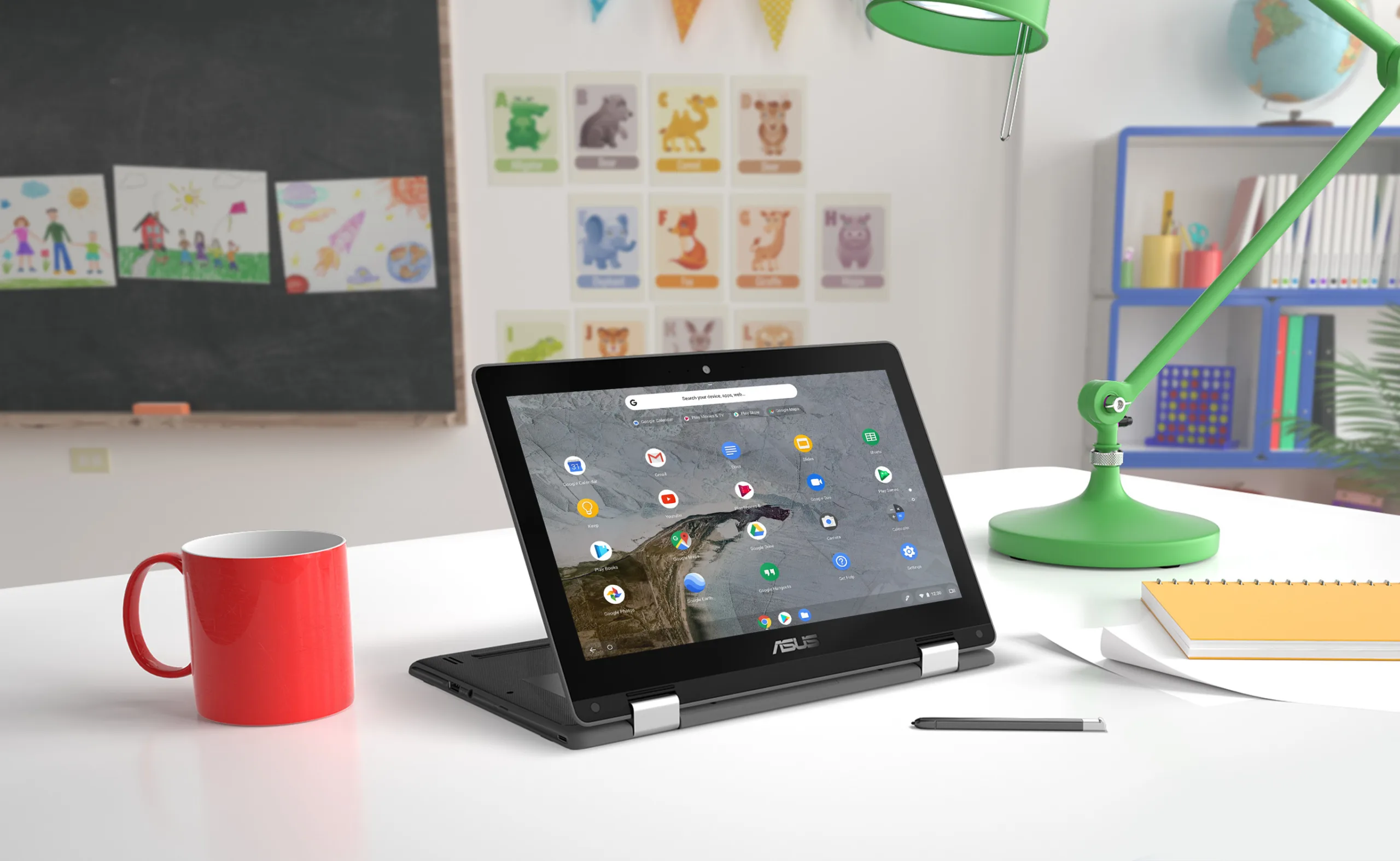
Why Are Chromebooks Dominating Online Education?
All around the world, many teachers and students have embraced online learning for its many benefits. And in the Philippines, such is the case, especially since many students face barriers to physical classes. But how exactly are Chromebooks playing a role in enhancing access to online education?
They Are Making Access More Affordable.
While online education may have its conveniences and may do away with the typical costs associated with physical learning, it poses a financial challenge to many families.
After all, for students to access learning materials online, they need a smart device that can not only load the required pages but also store these learning resources.
Unfortunately, not all families in the Philippines are well off enough to afford these devices. In fact, current statistics have shown that at least 10% of the families live below the poverty line, with 4% unable to afford even the basic needs.
Furthermore, 50% of the people living in the country have reported struggling with meeting their everyday needs. It thus follows that many students in the Philippines cannot afford traditional laptops, which tend to cost $700 or more.
Luckily, Chromebooks are available at a much lower price range as they rely on cloud-based storage, which lowers their hardware costs. As such, you find that many of them average anything from $200 to $400, with locally produced options costing even less than this range in some cases.
This affordability has bridged the financial gap between students, thus promoting country-wide literacy.
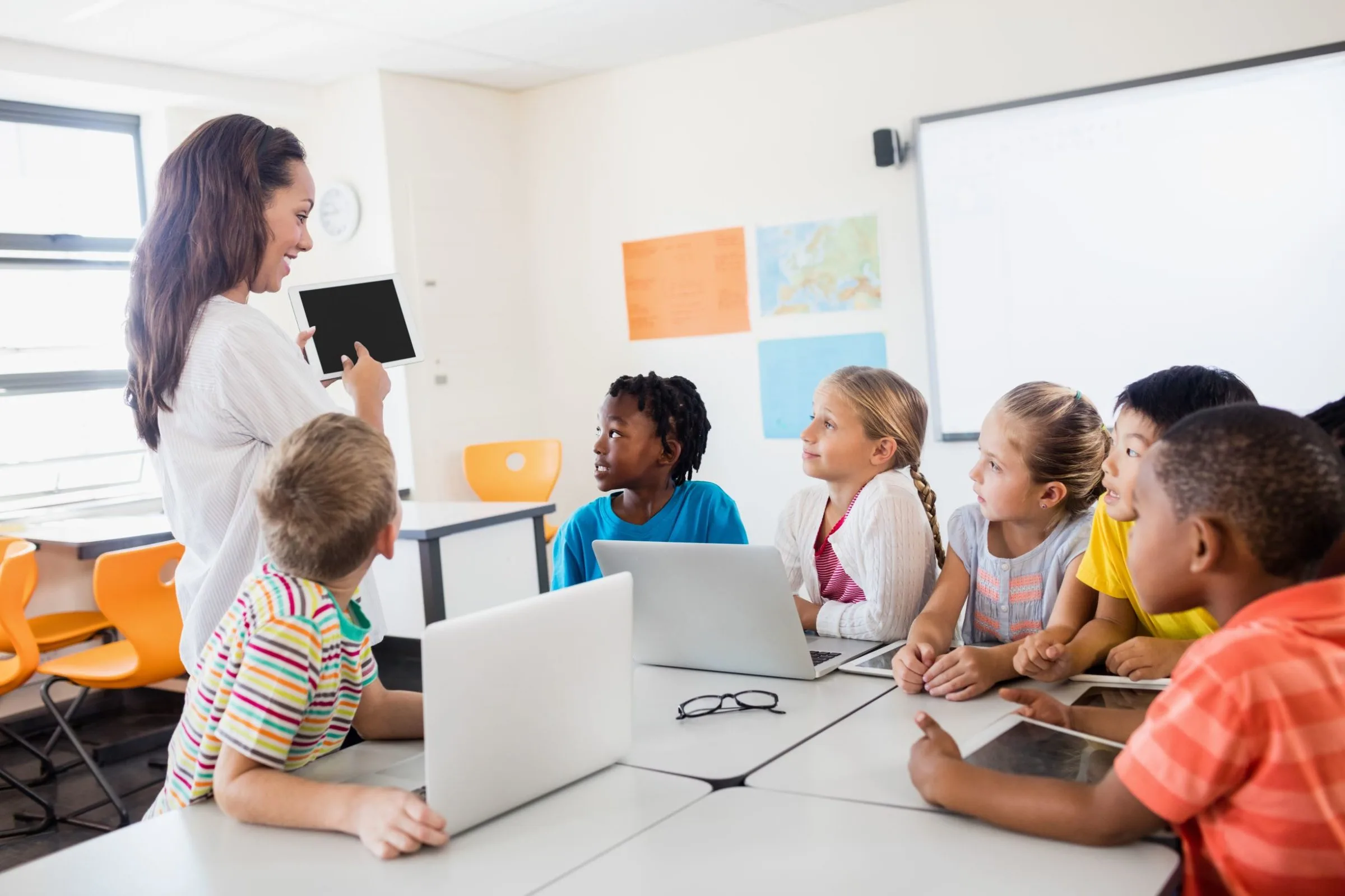
They Are Easing Learning.
Chromebooks solve many of the barriers that students in the Philippines grapple with in their daily lives, more so when it comes to embracing new technologies. But which are these?
- Complex operating systems. Many students are not well-versed in using laptops and other smart devices. Therefore, when presented with devices with complex operating systems, they and their teachers spend a good amount of time figuring out how the systems work rather than actually progressing with their learning. Chromebooks use the Chrome operating system, which is very easy to understand and which works well with education apps, thus eliminating the need to spend time on troubleshooting the operating system.
- Power outages or limitations. The typical laptop holds a charge for about 4 to 8 hours. And while that may be sufficient in cities and towns where people have reliable access to electricity, it does not work out very well for students in the Philippines. Not only do many homes face frequent power outages, but many schools also lack enough charging facilities to enable students to charge their laptops. Chromebooks thus win in this regard as they can hold a charge for 8 to 12 hours on average, with some models holding their charge for even more than 12 hours. That is enough battery life to last a full school day, which allows students to keep accessing learning materials without facing one interruption after another.
Additionally, because most laptops require a lot of storage to run apps and even store files, students often have trouble accessing all the files that they need. Luckily, Chromebooks work differently.
Since they rely on cloud storage and easily integrate with apps in the cloud, they allow students to access a wide range of learning materials and apps without having to install heavy software. And this allows the students to save money, both on storage and on subscriptions.
