


Fencing looks like it is all about the blade, but ask any coach and they will point at the feet first. A fencer wins or loses on how quickly and smoothly they can move forward, slip back, and reset their balance, often in less than a second.
That same skill set, the ability to control your body and change direction without losing power, shows up in almost every sport you can name.
From basketball guards to tennis baseliners, the athletes who move best tend to move a little like fencers, even when they have never picked up a foil in their lives.
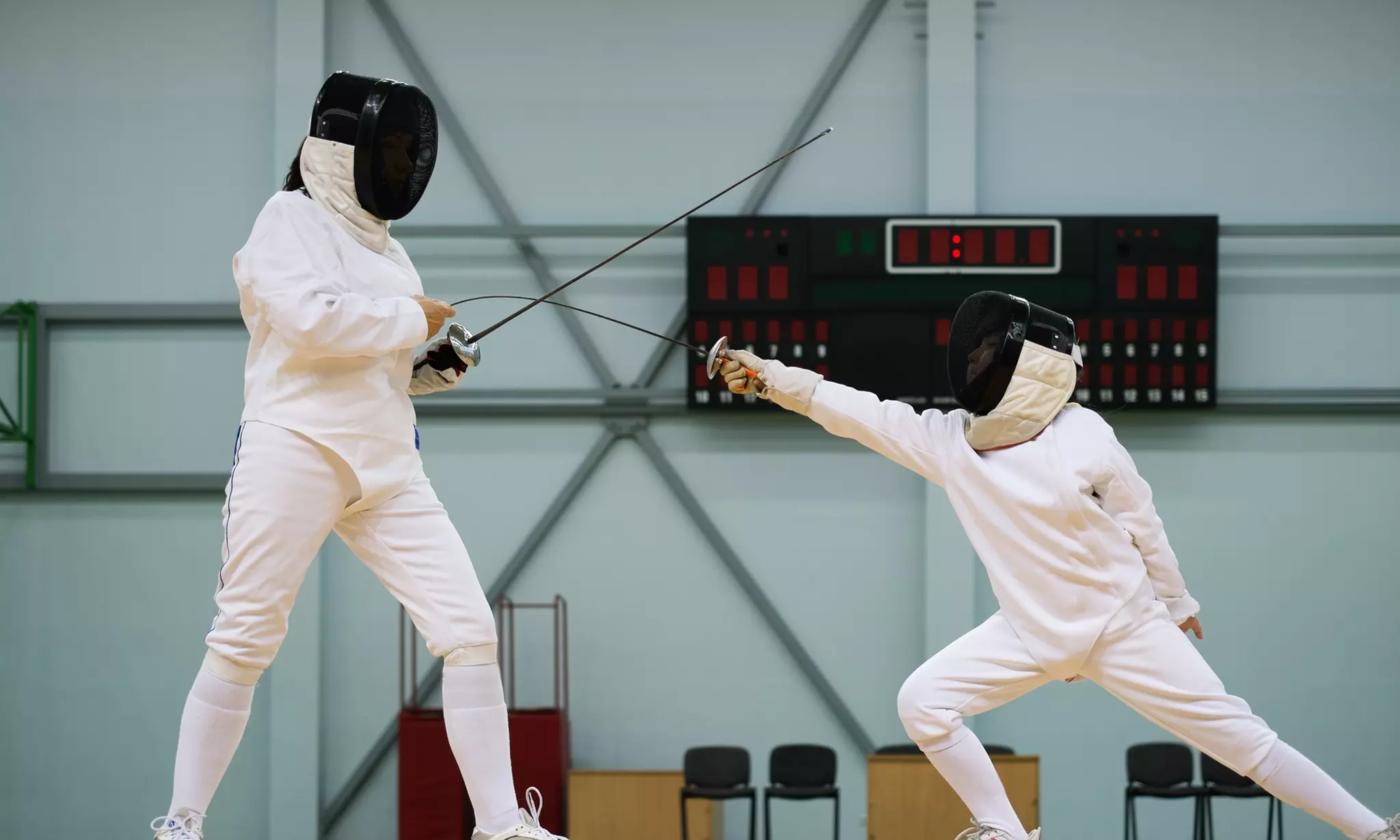
What Sets Fencing Footwork Apart?
Most sports reward big, explosive movement. Fencing rewards the opposite: small, precise steps that keep the body centered and ready to react.
The basic advance and retreat look simple, yet they train an athlete to stay light on the balls of the feet, keep the knees soft, and never tangle the legs in a way that wastes time.
Add the lunge, where a fencer drives from the back leg to cover ground in a flash, and you get a movement habit built around speed, balance, and instant recovery.
The Same Control off the Strip
Footwork drills do more than build fast feet. They teach composure, because a fencer has to make sharp decisions while the heart is pounding and an opponent is closing in.
That habit of staying calm and measured under pressure is one of the most useful things fencing gives you, and it does not switch off the moment you leave the training hall.
That same measured mindset is worth carrying into the ways we relax, especially leisure that mixes excitement with a little risk.
Online casino gaming is a clear example, since the players who enjoy it most are the ones who treat it as entertainment, set a budget before they start, and walk away once the fun is done.
For anyone curious about how a modern mix of online slots and table games comes together, the casino games at nv casino show the kind of variety on offer, and the same self-control a fencer relies on keeps the experience light and well within sensible limits.
The point is not to remove the thrill entirely, but to keep it framed by clear limits so the activity never takes more attention or time than intended.
Where the Footwork Pays Off in Other Sports?
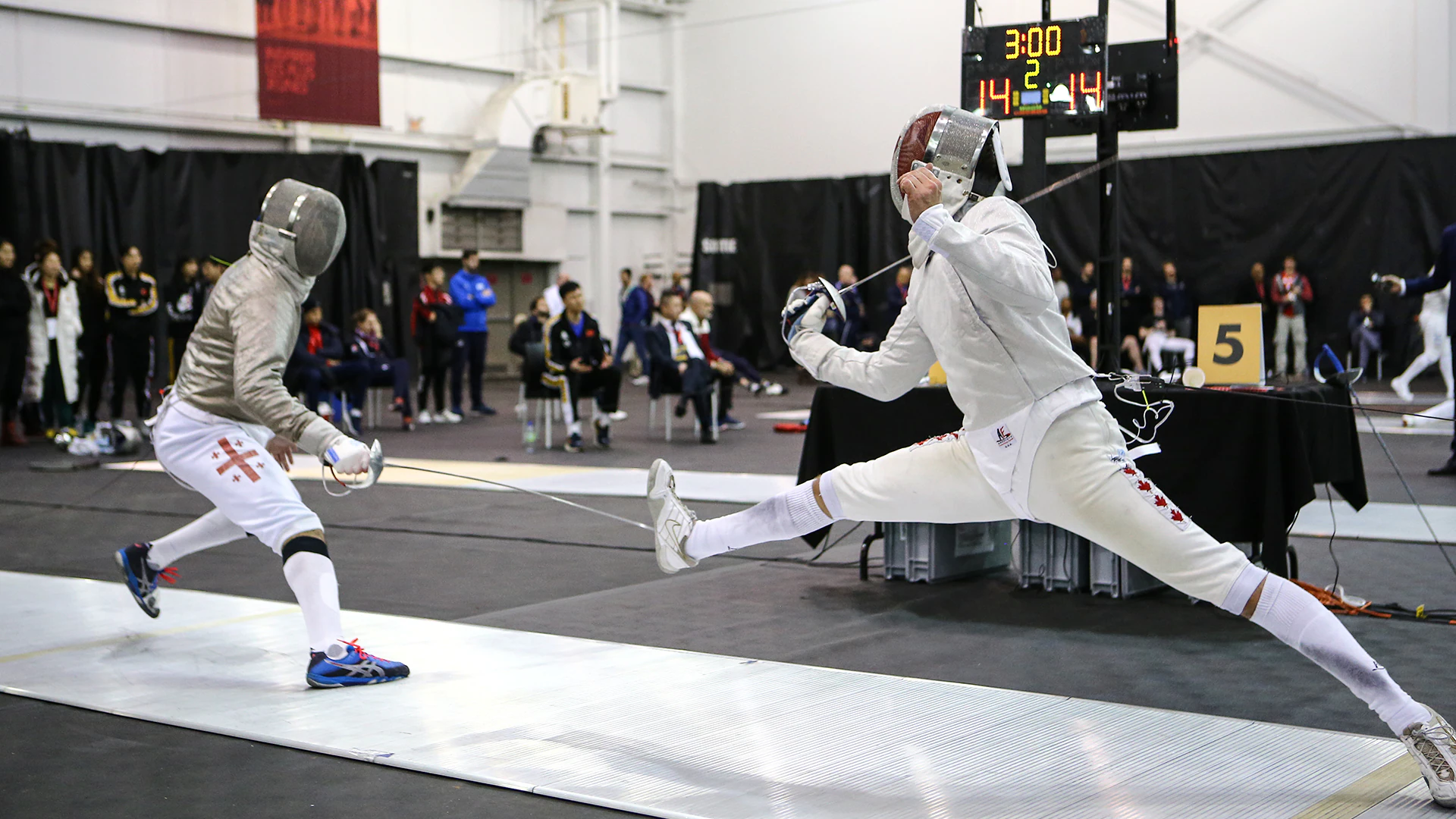
Take the footwork principles out of fencing and they slot neatly into a long list of other activities. The value is not in copying a fencer’s exact stance but in borrowing the underlying habits: staying balanced, moving with purpose, and recovering quickly after every action.
A quick comparison makes the overlap obvious, matching a few core fencing skills with the sports where they pay off most.
| Fencing skill | What it trains | Where it helps most |
| Advance and retreat | Quick, balanced direction changes | Basketball, tennis, badminton |
| The lunge | Explosive reach from a stable base | Volleyball, cricket fielding, soccer |
| Staying on the balls of the feet | Constant readiness to react | Boxing, table tennis, goalkeeping |
| Recovery to guard | Resetting fast after a committed move | Rugby, handball, martial arts |
Take It to Your Own Game
Great footwork is one of the quietest advantages in sport, and fencing has spent centuries refining it. You do not have to pick up a foil to benefit, because the balance, control, and quick reactions it teaches translate to almost anything you do on a court, pitch, or field.
Pick one or two of the drills above, work them into your next training session, and pay close attention to how much steadier you feel on your feet.
