


Cards, dice, and roulette wheels did not appear in Las Vegas by magic. They traveled through courts, coffeehouses, riverboats, seaside resorts, and city halls before neon gave them a permanent glow. The story also explains why online rooms borrow so much old casino language.

FS casino lists https://kaszinokmagyarorszagon.com/kaszinok/fs-casino under Intelligent Innovations N.V, pointing to the licensed-company model now common on the web. Paper ledgers became dashboards.
A live pit became a lobby screen. One sentence later, scale enters the picture: 10000 games in a Bethall review signals an online casino built around choice, speed, and constant releases. The modern casino is not a break with the past. It is the past, fitted with brighter lights and faster payments.
Venice gives gambling a front door
The Ridotto opened in Venice in 1638, during carnival season, when masked nobles and merchants wanted a legal place to play. It was state run, expensive, and strict about dress. Fancy coats mattered.
So did silence.
The Ridotto did two things that still shape casinos. It separated public gambling from street hustles, and it turned risk into a managed room with rules, staff, and a door policy. Players bet on biribi and basetta, games that feel antique now, yet the business model sounds familiar. Limit access. Control the floor. Take a cut.
Venice closed the Ridotto in 1774 after moral pressure grew, but the idea had escaped. Gambling had learned how to wear velvet.
Salons, spas, and Monte Carlo polish the habit
By the 1800s, casino culture moved into European resort towns. Baden-Baden drew Russian writers, French aristocrats, and anyone rich enough to lose discreetly. Dostoevsky watched the tables there and later wrote The Gambler.
He knew the fever up close.
Monte Carlo changed the scale after 1863, when François Blanc brought discipline, publicity, and a softer house edge to Monaco. The casino funded roads, gardens, opera, and the tiny state’s public budget. That part is easy to miss. Gambling was civic finance wearing evening clothes.
The roulette wheel also became a brand object. One zero, not two. Cleaner odds. Better bragging rights. Monaco sold elegance, but it was really selling controlled math beside the sea.
America adds riverboats, saloons, and suspicion
Across the Atlantic, gambling took a rougher path. Riverboats on the Mississippi carried faro dealers, poker players, and cheats with sharp sleeves. New Orleans had licensed gambling houses by the 1820s, then crackdowns, then fresh rooms with new names.
The cycle was messy.
Poker grew in camps and saloons because it fit American habits: bluffing, mobility, and a private read of character. A table needed cards, cash, and nerve. Little else.
By the early 1900s, reformers had pushed legal gambling into corners. Nevada banned most games in 1910, then reversed course in 1931 during the Depression. The state needed tax money and jobs. Morality bent when payrolls disappeared.
Las Vegas turns odds into theater
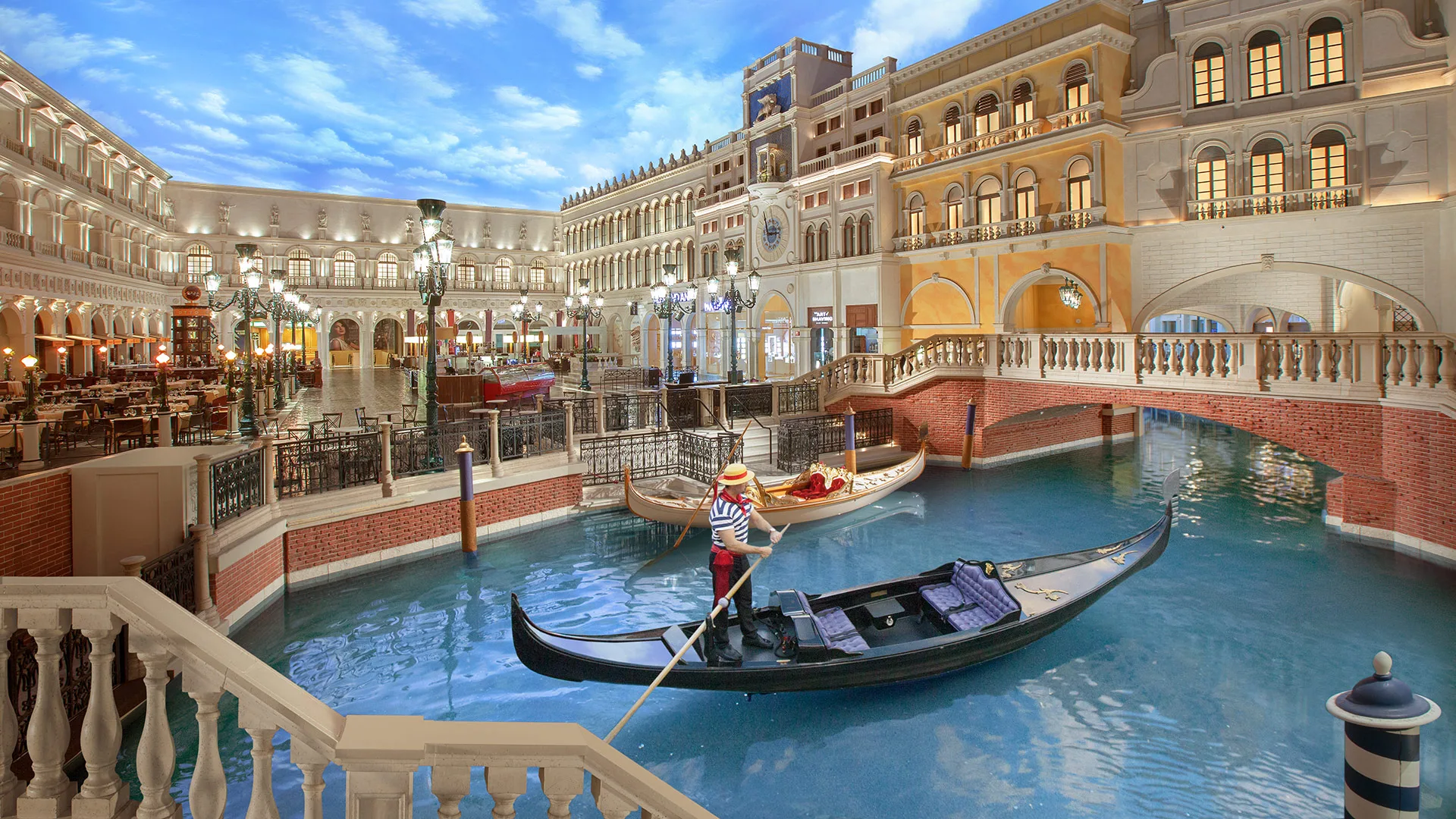
Las Vegas did not invent casinos. It made them impossible to ignore. After Nevada legalized casino gambling, downtown clubs such as the Apache Hotel and El Cortez mixed cards with cheap rooms, steak dinners, and desert heat.
The Strip found its voice in 1946 with the Flamingo, tied to Bugsy Siegel and a long list of investors who preferred shadows.
Later came the Sands, the Dunes, the Stardust, and Caesars Palace. Each property sold a fantasy with a cashier’s cage inside it. Rome. Space. Hollywood. Luck with a valet stand.
Regulators slowly cleaned the image. Howard Hughes bought major hotels in the late 1960s, corporate money followed, and the mob era lost its grip. The casino became a resort machine: hotel beds, shows, restaurants, and gaming tables feeding one another all night.
Rules become part of the show
A casino survives on trust, even when every player knows the house has an edge. That tension shaped licensing boards, surveillance rooms, chip tracking, and printed odds. The Nevada Gaming Control Board, created in 1955, set a model other regions copied in pieces.
The eye in the sky changed behavior.
Dealers followed hand signals. Pit bosses watched fills, markers, and suspicious betting jumps. Cameras made the floor feel safer, though they also made it less romantic. No whispered legend beats a clear tape.
Macau, Singapore, and tribal casinos in the United States later showed how law could build whole districts. Taxes paid for schools, roads, and public services. Critics still argued about addiction and debt. They had a point. Casinos carry glamour and harm in the same pocket.
The digital floor keeps old habits alive
Online casinos changed the room, not the instincts. The lobby became a grid of slots, blackjack tables, crash games, and live-dealer studios in Latvia, Malta, or the Philippines. A croupier still smiles before the spin. The player still watches the balance.
The biggest shift is pace.
A Venetian noble waited for a seat; a phone user opens three games before coffee cools. Payments moved from coins to cards, wallets, bank transfers, and crypto tokens. Complaints moved too, into forums, screenshots, and regulator forms.
History gives operators a simple warning. People accept risk when rules look clear and payouts arrive without drama.
They leave when the room feels rigged or slow. The next step is old-fashioned: read the rules, set a limit, and stop before the story gets expensive. A small notebook helps more than bravado, too.
