


A few days ago, 9to5 Google sleuthed out that Google won’t be using Intel’s Ice Lake processors for Chromebooks. That decision could change but since it generally takes at least 8 months to design and test boards for Chromebooks, it’s safe to say that any devices currently in the pipeline won’t use Intel’s 10th-generation chip.
Among those devices in progress is Atlas, widely expected to be a refresh of the current Google Pixelbook. Clearly, Atlas won’t use Intel’s Ice Lake chips, even though they’re expected to be available before year-end: Dell has already announced that its next XPS laptops will use Ice Lake processors later this year.
So what chips should be we expect to power the next Pixelbook?
The likely culprits are the ones we saw a few months ago in Geekbench reports, although those results are no longer available, which is interesting:
These are part of the KabyLake 2 architecture and they’re not much different from the Y-series of KabyLake chips that power the Pixel Slate. They can run longer under heavy load due to higher TDP level and a cooling fan, however, which boosts performance. It’s for this reason that Google recommends U-series devices for using Android Studio on Chrome OS.
Here’s the thing: These processors are already available in Chromebooks. Take your pick from the Acer Chromebook 13 and Spin 13, or the Lenovo Yoga Chromebook C630, for example. By the way, Lenovo offers a 4K display option for its Yoga Chromebook, which is the same resolution screen expected on Atlas.
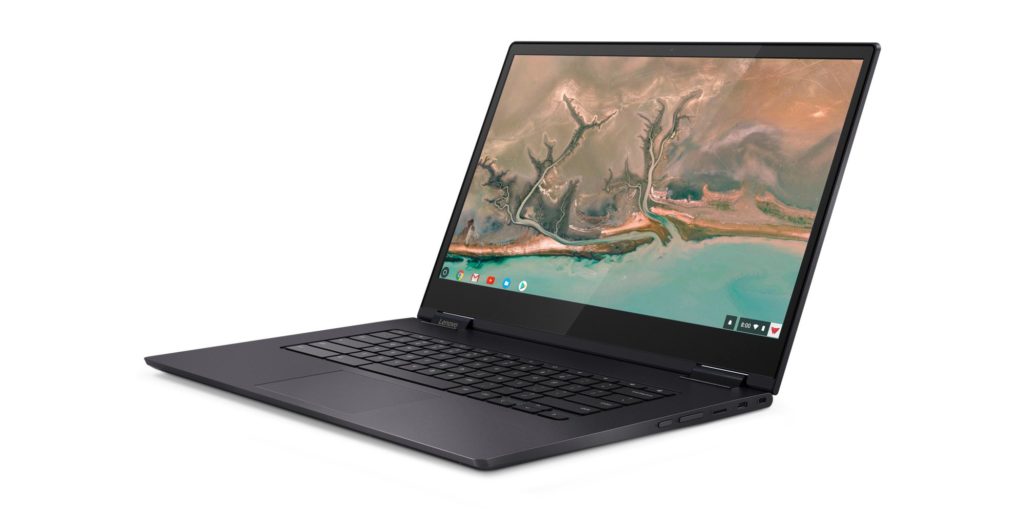
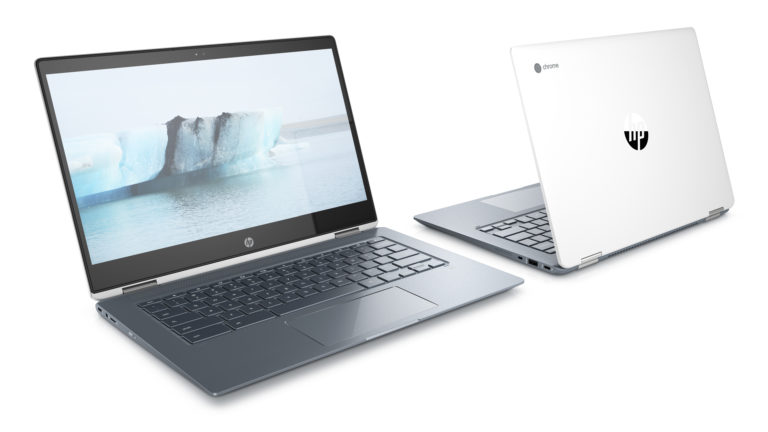
Now it’s possible that Atlas uses the slightly more upscale versions of these U-Series chips; specifically, the Core i5-8350U and Core i7-8650-U chips. But when I say “slightly” more upscale, that’s exactly what I mean: Small improvements in clock speeds, which probably won’t be noticeable in everyday usage. Heck, these use the same integrated Intel UHD 620 GPUs as the ones found in the Acer and Lenovo models mentioned above. And the HP Chromebook X360 14 can be configured today with either of these processors.
One other option could be the newer Whiskey Lake chips, but even these are still more of a refinement of Intel’s current CPU 14-nanometer process architectures and not an upgrade to the 10-nanometer process found in Ice Lake chips.
The point here is this: Instead of waiting for a Pixelbook refresh this fall, you can get nearly the same performance now, and likely for less money than what an Atlas Pixelbook model will cost.
Granted, there could (and should) be other considerations in any Chromebook purchase decision.
The 15.6-inch display of the Lenovo Yoga Chromebook C630 might be larger than you’d prefer, for example. You might really want a dedicated Google Assistant hardware key; something that isn’t found on either the Acer or Lenovo models today. Or perhaps you specifically want MadeByGoogle hardware to ensure you get all of the newest features when they’re made available, if not sooner than, when non-Google made Chromebooks get them.
But if one of the current Chromebooks from Acer, HP or Lenovo that are powered by Intel U-Series chips tickle your fancy now, it may make more sense to pull the trigger and enjoy your powerful new Chromebook today instead of waiting another four months for an updated Pixelbook.
