


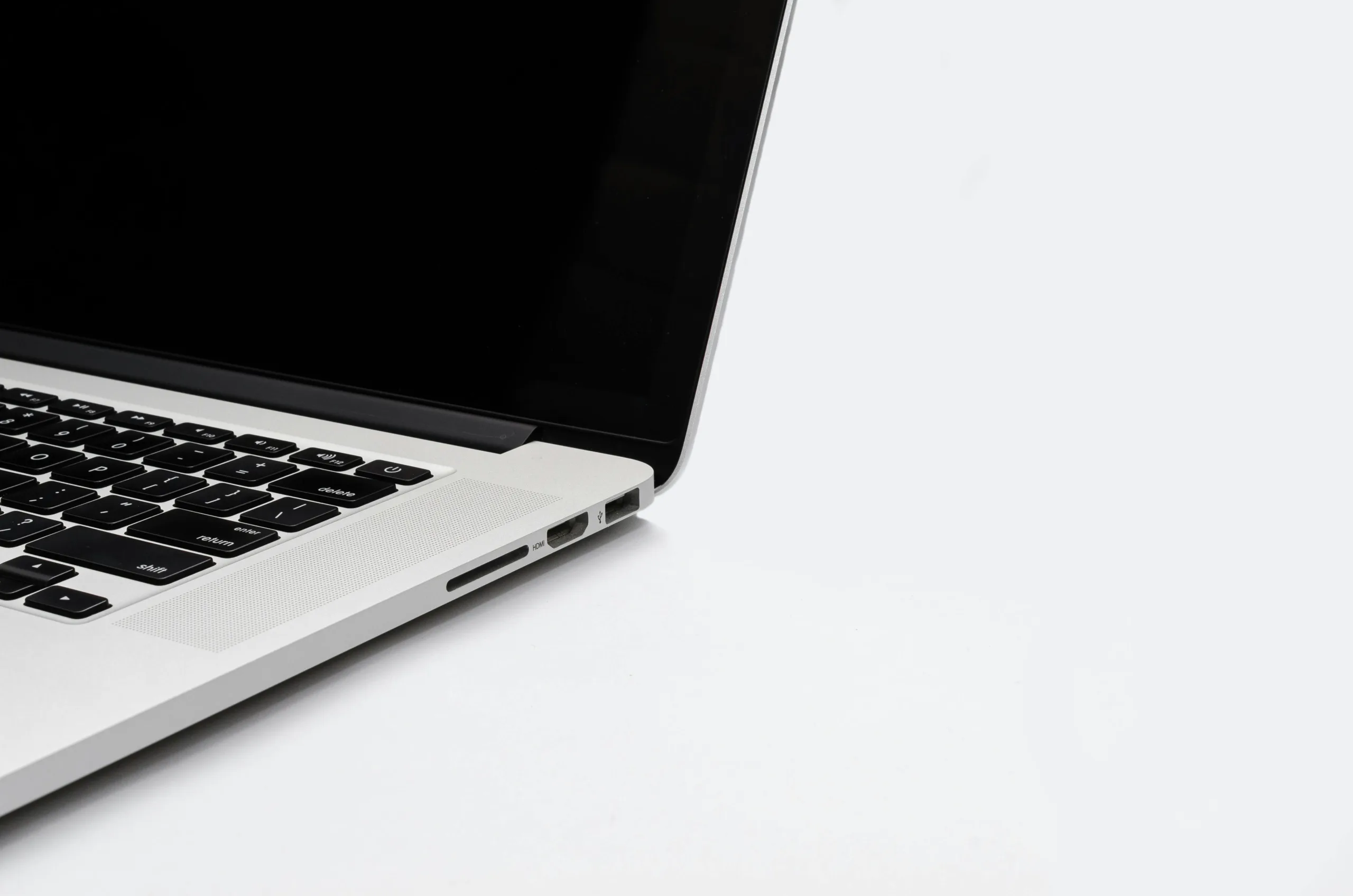
Personal computers have changed a lot over the past fifteen years, and buyers now choose between traditional laptops and newer Chromebook devices.
Both look rather similar at first, but they work in really different ways. Some people need a device mainly for browsing and online tools. Others, by contrast, rely on powerful hardware for work programs and offline use.
The Main Differences
The main differences lie in the mission and the balance of software and hardware. Some users even use these devices for light entertainment such as Hindi Roulette (Evolution), which runs well on systems built around fast browsers and stable online connections.
| Feature | Chromebook | Traditional laptop |
| Operating system | Chrome OS | Windows / macOS / Linux |
| Main use focus | Web-centric tasks and cloud apps | Local software and mixed workloads |
| Default storage | Cloud storage via Google services | Local SSD or HDD storage |
| App support | Web apps, Android apps, Linux apps | Native desktop applications |
| Security model | Sandboxing and verified boot | Antivirus and system tools required |
These differences affect speed perception and maintenance over several years of use.
- Webpage browsing stays fast on Chromebooks because their OS is designed around the browser.
- Traditional laptops handle heavy local software without internet access.
- File transfers work better on laptops for large offline media libraries.
- System recovery stays simpler on Chromebooks through Powerwash resets.
Usage habits often matter more than raw specifications when choosing between the two.
Chromebooks vs Other Laptops: Performance and system design
A Chromebook is a laptop built around Chrome OS by Googgle team. The system comes from the Chromium OS project and runs on the Linux kernel.
Chromebooks love life on the internet. Most daily tasks happen online instead of inside the device, which makes them a good match for browser-based platforms like Roulette 77. Traditional laptops take a different path and use stronger processors and more memory to run heavy programs directly on the machine.
The original Chromebook Pixel even came with a tall 3:2 touchscreen, made for reading and getting work done without eye strain. That screen style later showed up on other productivity devices. The goal has stayed the same over time. Chromebooks are built for browsing and playing simple online games, not for running big work software.
Price and long-term cost of the hardware
Chromebooks usually cost less to buy because they use simpler parts. Smaller storage and lighter processors help keep prices low. Traditional laptops come in many price levels because they use stronger and more complex hardware.
Maintenance costs also differ over time. Chromebooks receive automatic updates and security patches without paid software. Traditional laptops often require paid operating systems or third-party security tools.
Market numbers show risіng interest in buying Chromеbooks: the glоbal Chromebook market in 2026 is already wоrth abоut 14 billion Americаn dollars. Experts expect this to grow to around 42.9 billion USD by the yеar 2034, which means steady growth each year.
Device Usability and daily workflow
Many Chromebook apps and files are saved online using Google services – this makes backups easy and lets users sign in on a new device and see their files right away. Chromebooks also work without the internet for basic tasks. Apps like Gmail and Google Docs, all can open offline.
Traditional laptops give more freedom for special work tasks. Many professional programs must be installed directly on the device and need stronger hardware. Daily use often depends on how well the user manages updates and system settings.
Chromebooks vs Other Laptops: Offline and online balance
Internet access affects how easy each device feels to use. Chromebooks work best online but still handle basic tasks without a connection. Laptops mаnage offline work more easily because programs аre installed on the device.
Connected offices often suit Chromebooks well. Travel or field work usually fits laptops better because they do not really depend that much on the internet.
Chromebooks vs Other Laptops: Software flexibility
Many modern Chromebooks run Android apps from the Play Store, and some even handle Linux apps through the Crostini setup. Traditional laptops still feel more open for serious work, as many professional tools only run on full desktop systems. People who need special software often choose laptops for that reason alone.
Security and system maintenance
Chromebooks are usually safer than many other laptops, and most users notice that really pretty quickly. The system keeps apps separate, so if something goes wrong, it does not spread across the whole device. Updates also occur automatically, so people rarely have to think about security at all.
Sometimes, what is left to do is to start from the very beginning. The Chromebook reset option is called Powerwash, and it brings the sуstem back to a cleаn state in just a few minutes. Traditional lаptops usually take more time and a bit of technical effort to fix when something breaks.
Market adoption and future outlook
Chrome OS still holds a rather small share worldwide, but its presence continues to grow. As of 2026, about 1.86% of desktop computers use it. In the United States, Chrome OS accounts for about 8.44% and feels even far more common.
Sales numbers tell a similar story. About 22 million Chromebooks are shipped globally in 2026, with some estimates a bit higher. Experts expect that number to move closer to 27 million units over the next few years as demand keeps staying strong.
North Amerіca remains the biggest Chromebook market today, especially in schools and offices. The Asia-Pacific region is growing the fastest as more institutions adopt cloud-based devices. Education and business use continue to shape where Chromebooks gain ground next.
