


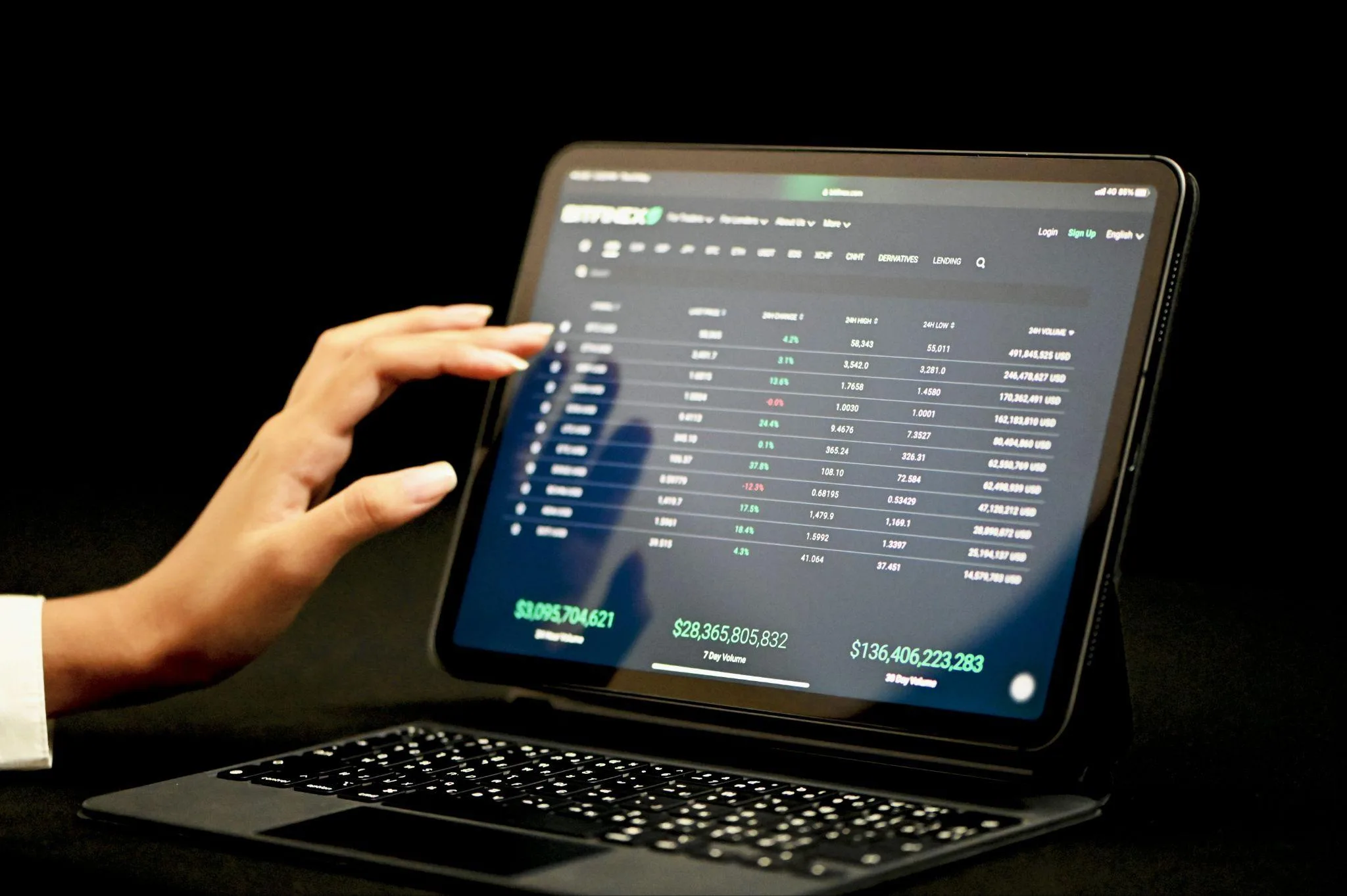
Ten years ago, Chromebooks were those cheap school laptops you’d picture in the backpacks of American high school students.
In 2025, they’re found in the locker rooms of Real Madrid, on the benches of Olympique Lyonnais, and in the pockets of INSEP fitness coaches. The learning tool has become a winning machine.
Modern sport no longer relies on luck but on data. From distance covered to sleep cycles, everything is measured, analyzed, and turned into strategy.
And in this world of spreadsheets and digital clouds, the Chromebook has become a discreet yet omnipresent ally.
The Locker Room Under ChromeOS
It’s no secret: since 2020, European football clubs have undergone a massive digital transformation. At Manchester City, the analysis team uses Google Workspace, sharing tactical reports in real time on Pixelbook Go Chromebooks.
At Arsenal, talent scouts rely on Chromebooks connected to Hudl (a video analysis tool) to compile clips of player performances.
The advantage of the Chromebook? Simplicity. No need to call a technician, no viruses to worry about. Everything lives in the cloud. Coaches sync training sessions in Sheets, physiotherapists check injury histories in Drive, and video analysts edit clips on WeVideo — all directly from the browser.
In 2024, Statista estimated that 35% of professional European clubs were already using ChromeOS-based solutions in their analysis or management programs.
The SaaS Era of Sports
The SaaS (Software as a Service) model has taken over the sports world. Chromebooks fit perfectly into this ecosystem where everything is rented, updated, and cloud-connected:
- Catapult Sports for GPS tracking and performance.
- SportsCode for tactical video analysis.
- Krossover for basketball and hockey statistics.
- Fitlight Trainer for athlete reaction training.
Clubs no longer need internal servers or expensive workstations. A simple Chromebook is enough to run these applications through the browser, all linked to online databases.
Even national teams are getting on board. In 2023, the French Handball Federation equipped its coaches with HP Chromebooks to unify video analysis and medical tracking tools. The initiative reportedly reduced pre-match preparation time by 40%, according to an internal report cited by L’Équipe.
Portability in the Service of Tactics
On the field, Chromebooks have become truly mobile. During the Paris 2024 Games, they could be seen in the hands of USA Track & Field staff, connected via 5G, instantly sending speed data to coaches.
Their battery life up to 12 hours on a Pixelbook or Acer Spin 714 makes them ideal for on-the-go performance work. Cycling teams like INEOS Grenadiers use them to monitor GPS segments during stages, adjust effort plans, and immediately upload results to Google Data Studio.
Here, portability becomes a strategic advantage.
Amateur Clubs and the Democratization of the Game
Where Chromebooks truly change the game is in amateur clubs. With a device costing under €400, a coach can access the same tools used by Ligue 1 teams statistics, video analysis, physical preparation.
Paris 13 Atletico, a semi-professional club, has been using a Chromebook-based video-sharing system linked to YouTube Studio since 2023 for its youth teams. The result: low-cost action analysis accessible from any smartphone.
Football thus becomes what it was always meant to be a game of collective intelligence, not of budget.
When Data Meets Betting
Sports analysis isn’t just for coaches anymore. It also powers another rapidly growing world betting and predictive simulation. Gaming platforms use this data to adjust live odds, build probability models, and offer users an almost scientific level of immersion in the match.
For example, after Melbet download (French: MelBet télécharger), fans can check detailed statistics before placing their bets possession, successful passes, shots on target the very same metrics studied by club analysts. Bettors become strategists. The line between coach and supporter blurs inside one vast global spreadsheet.
Collective Intelligence and the New Grandstand
Social networks extend this connection even further. On MelBet Facebook Morocco, users share their analyses, compare performances, and discuss tactics like weekend data scientists. This global community turns sports into an open conversation, where every fan plays a role in a continuous flow of live information.
Data becomes storytelling. A match is no longer a standalone event, but a collective narrative written through clicks and curves.
ChromeOS: The Invisible Future of Sports
The secret of the Chromebook lies in its humility. No flashy design, no overpowered processor, just a machine that never crashes, syncs everything, and connects everyone.
At a time when football clubs are turning into data-driven enterprises and cyclists rely on power sensors, the Chromebook is the perfect tool: simple, mobile, and connected.
It doesn’t declare victory. It counts it.
