


Gaming has long been associated with high end desktops and dedicated consoles, but in recent years, Chromebooks have emerged as a surprising yet increasingly popular platform for digital entertainment.
Once seen primarily as tools for education, web browsing, and productivity, these lightweight, cloud focused devices are now supporting a growing spectrum of games that cater to casual and even more serious players.
From mobile ports to browser based experiences, Chromebooks are proving that engaging gameplay does not always require powerful hardware, opening new possibilities for accessibility, convenience, and flexibility in the gaming world.
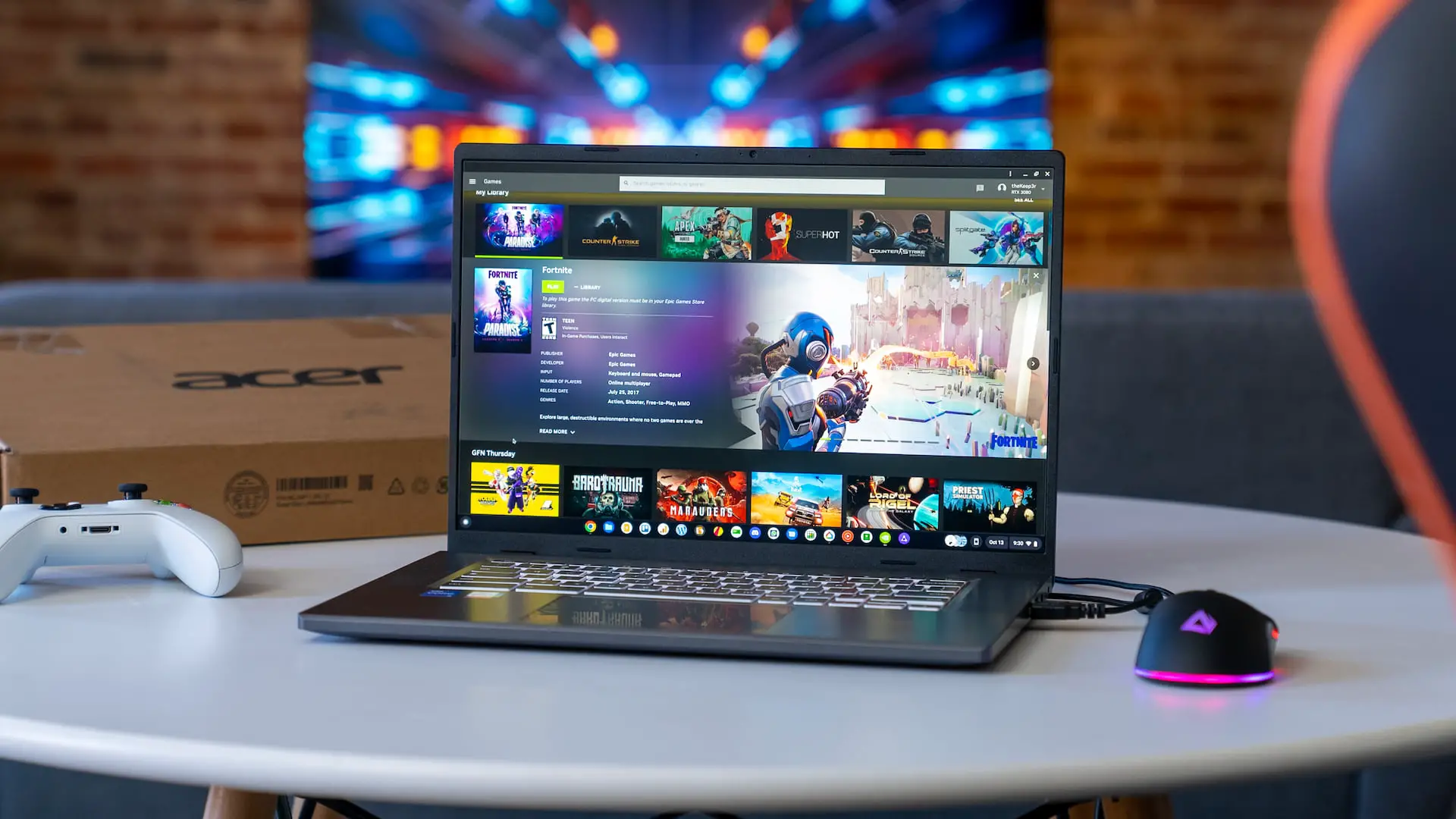
One of the key drivers of gaming on Chromebooks is the platform’s seamless integration with web based and cloud gaming services. Many games are now designed to run entirely in the browser or through streaming platforms, eliminating the need for powerful local processing.
This means that even devices with modest specifications can provide smooth and enjoyable experiences. Players can access everything from puzzle challenges to interactive simulations with little setup, making Chromebooks a practical choice for those seeking entertainment without the overhead of specialised hardware.
Mobile gaming integration has also fuelled growth. Chromebooks can run Android applications, including games that were once restricted to smartphones and tablets.
The availability of app stores and compatibility layers has expanded the library of accessible titles, giving players a range of casual, strategy, and social games at their fingertips. This flexibility allows users to enjoy familiar mobile titles on a larger screen, enhancing immersion and convenience.
Features like touchscreens and stylus support further enrich gameplay, providing interactions that feel natural and intuitive.
The social and interactive nature of many modern games contributes to their popularity on Chromebooks. Multiplayer experiences, cooperative challenges, and community driven games allow users to connect with friends or broader online networks directly from their devices.
Features like real time leaderboards, shared challenges, and collaborative problem solving foster engagement and create a sense of connection that mirrors the experience of more traditional console or PC gaming environments.
Even casual players can participate in rich social dynamics, making Chromebooks a gateway to interactive and communal entertainment.
Another factor driving the growth of gaming on Chromebooks is the convenience and portability of the platform. Lightweight hardware, long battery life, and fast boot times mean that users can start playing almost anywhere, whether at home, in a café, or during travel.
This accessibility encourages casual engagement throughout the day and enables players to integrate gaming into their routines seamlessly.
Chromebooks’ ability to handle cloud saves and cross device progression ensures continuity, so progress and achievements are preserved even if users switch locations or devices.
Educational and cognitive games are also gaining traction on Chromebooks. Titles that focus on problem solving, strategic thinking, or skill building combine learning and entertainment, appealing to both younger players and adults seeking mental stimulation.
These games often leverage browser based interactivity or Android applications, demonstrating the versatility of the platform and its ability to support meaningful, engaging experiences beyond traditional entertainment.
By providing a mix of fun and learning, Chromebooks expand the appeal of gaming to audiences who might not otherwise consider themselves players.
Casual and social gambling style games have found a niche on Chromebooks as well. Games designed around challenge and light competition such as online bingo offer playful engagement without the need for high end graphics or intensive processing power.
These titles capitalise on simple mechanics, familiar rules, and immediate feedback to keep players entertained and coming back for more.
The accessibility of these games on Chromebooks underscores how the platform can support diverse gaming experiences, from strategy to social play, while remaining approachable for new users.
The growth of gaming on Chromebooks also reflects broader trends in cloud computing, mobile compatibility, and browser-based software.
Developers increasingly design games that run smoothly across devices and operating systems, emphasizing accessibility and flexibility.
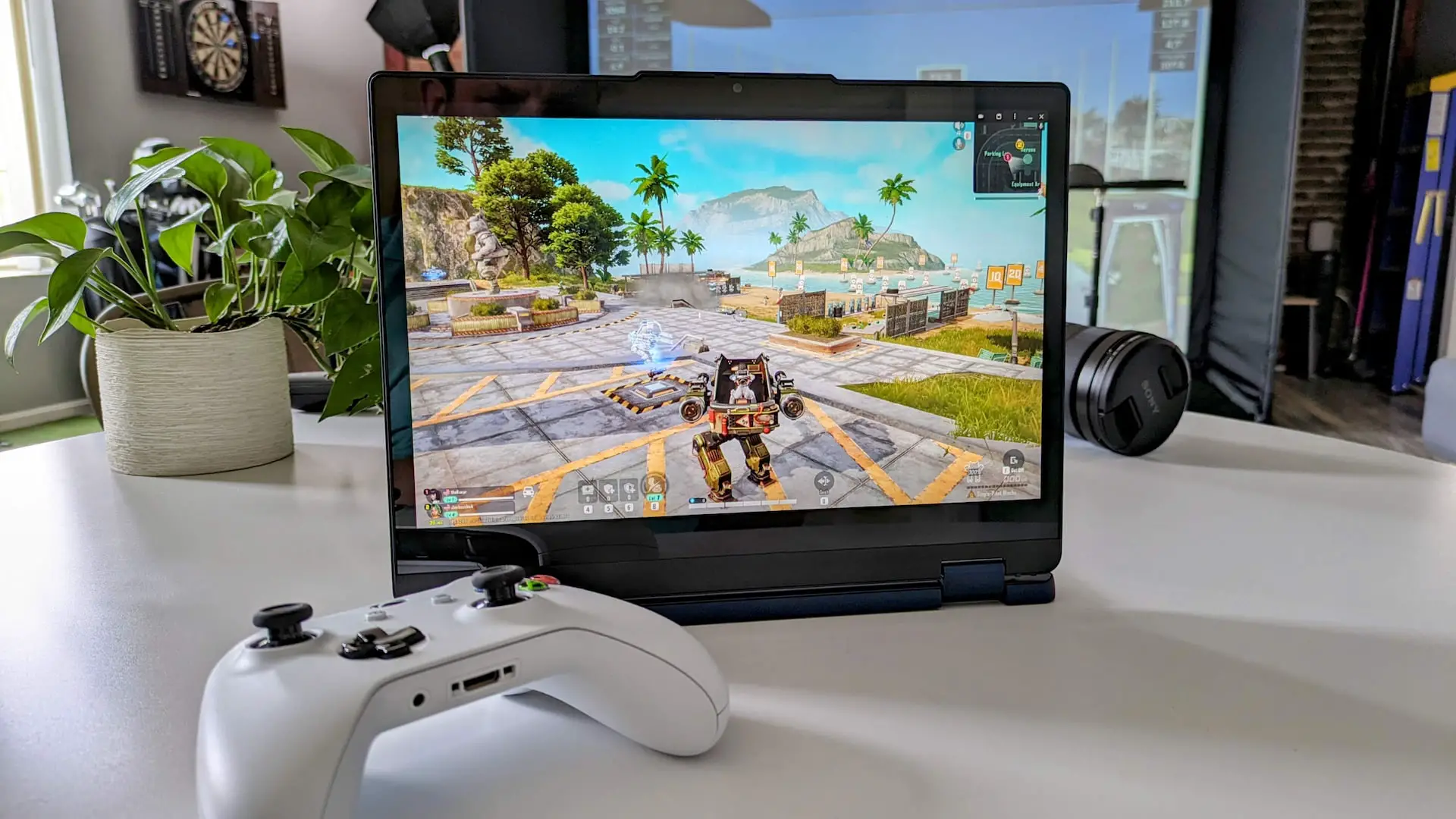
Chromebooks, with their reliance on cloud services and web applications, fit naturally into this ecosystem, bridging the gap between casual gaming and more traditional platforms.
As a result, both developers and players benefit from a device that is lightweight, versatile, and capable of supporting engaging, interactive experiences.
Chromebooks have evolved from simple productivity machines into a growing hub for digital gaming. With web based and cloud platforms, Android integration, portability, and social connectivity, they offer a diverse range of experiences that appeal to casual and engaged players alike.
Titles spanning strategy, puzzle solving, interactive simulations, and social games like online bingo demonstrate the versatility of the platform and its ability to provide meaningful entertainment without requiring high-end hardware.
As more developers recognize the potential of Chromebooks and players continue to embrace gaming on these devices, the platform is poised to become an increasingly important part of the digital gaming landscape, combining accessibility, convenience, and innovation in a single, lightweight package.
