


Debt payoff calculator tools often become relevant at the exact moment people feel stuck. Bills pile up. Minimum payments barely move balances. Sleep gets lighter, not deeper. That moment feels familiar to many households.
We think debt becomes unmanageable suddenly. In reality, pressure builds quietly. One unexpected expense meets rising costs. Then borrowing fills the gap. Understanding that process with the debt payoff calculator helps people regain control without panic.
How Can Debt Become Unmanageable?
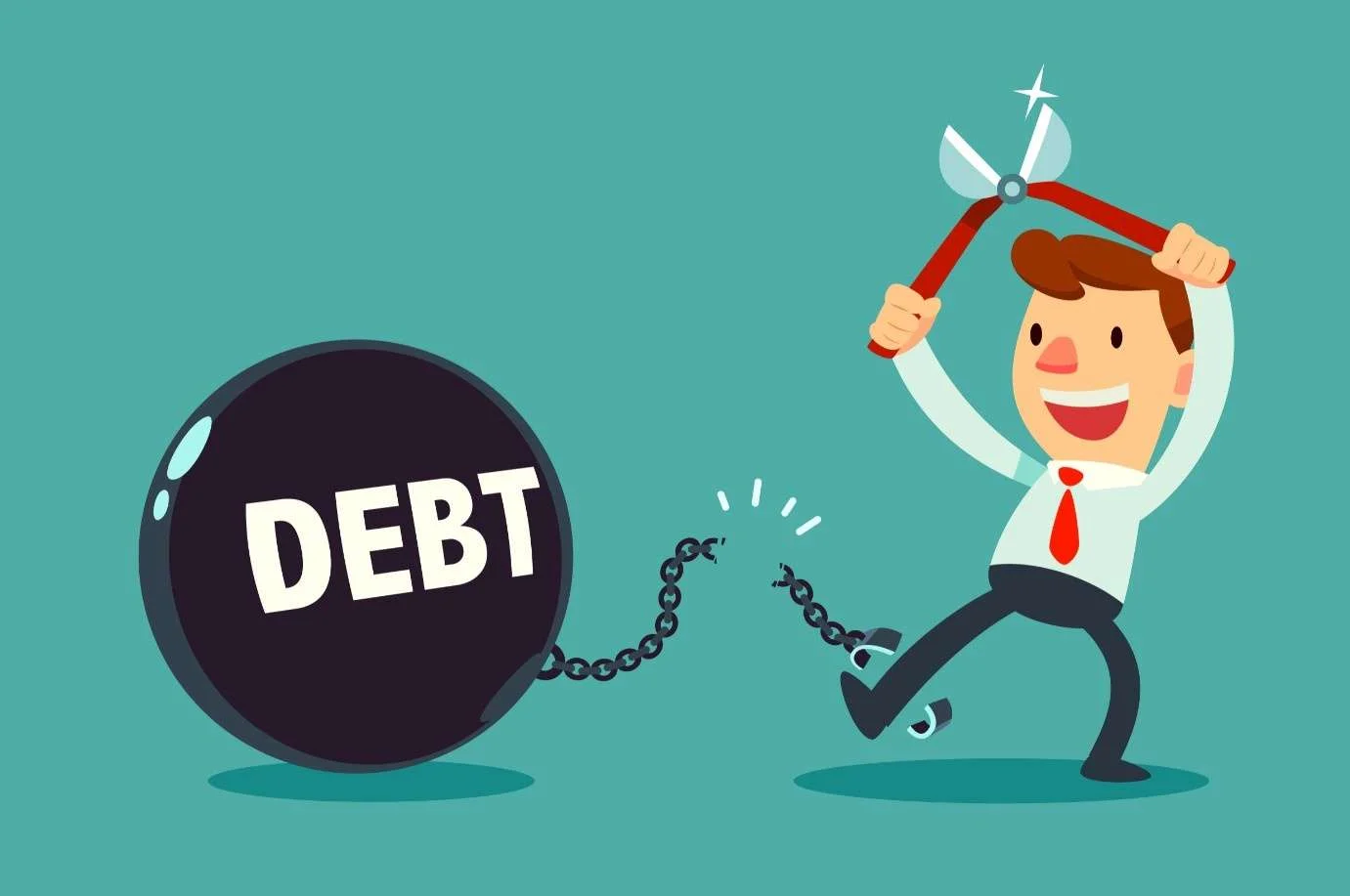
Many ask, how can debt become unmanageable? The answer usually starts with normal life. Rent rises. Groceries cost more. Income stays the same. Credit absorbs the difference.
Over time, balances grow faster than payments. Interest compounds silently. A clear picture disappears. At that point, debt feels emotional, not mathematical. Stress replaces planning.
The Emotional Weight Of Debt Stress
Debt pressure rarely stays financial. It spills into health, focus, and relationships. Research shared by CBS News shows that nearly half of borrowers report daily stress about debt, affecting sleep and mental well-being.
This stress blocks action. When anxiety rises, people avoid statements and apps. Avoidance then deepens the problem. That cycle explains why logic alone does not fix debt.
Pause Before Making Big Decisions
When debt feels overwhelming, urgency pushes drastic moves. People consider extreme cuts or risky loans. That reaction is human, but often harmful.
The first step is slowing down. Not stopping payments, but stopping panic. Calm decisions protect long-term outcomes. This pause creates space for better debt management strategy choices.
Why Clarity Changes Everything
Confusion fuels fear. Clarity reduces it. Seeing balances, interest, and timelines in one place shifts perspective.
This is where a debt payoff calculator helps. It transforms scattered numbers into a sequence. Instead of guessing, households see how payments affect timelines. That visibility restores a sense of control.
Using A Debt Payoff Calculator To Regain Direction
A debt payoff calculator does not judge. It shows reality. When people enter balances and rates, patterns emerge. Some debts matter more than others.
Using a debt payoff calculator often reveals:
- How long will repayment actually take
- Which debts drive the most interest
- What small payment increases change
This insight turns fear into information. Information supports action.
Debt Management Strategy That Reduces Pressure
Not all strategies fit every household. The best debt management strategie reduce mental load, not just balances. Simplicity keeps people engaged.
Effective approaches often include:
- One clear repayment priority
- Automated minimum payments
- Monthly, not daily, reviews
These systems support consistency during stressful months.
Exploring Debt Relief Options Carefully
When pressure stays high, people look for debt relief options. These may include hardship programs, counselling, or negotiated payment plans. Each option has trade-offs.
The key is understanding consequences before committing. Some options affect credit. Others require strict terms. Clarity protects households from replacing one problem with another.
What To Do When Struggling With Debt Day To Day

People often ask, What to do when struggling with debt? The answer starts small. Focus on control, not speed. Pay for essentials first. Communicate with lenders early.
Daily steps matter more than dramatic moves. Tracking progress monthly using a debt payoff calculator keeps motivation grounded in reality.
Why Small Progress Restores Confidence
Debt rarely disappears quickly. Waiting for the full payoff delays relief. Confidence grows when progress is visible.
Seeing balances shrink, even slowly, reduces stress. Behavioural research strongly suggests that visible progress improves persistence. That is why tracking tools matter as much as strategies.
Avoiding The Shame Trap
Shame keeps people silent. Silence keeps debt hidden. That cycle blocks support and solutions.
Debt struggles reflect systems and circumstances, not character. A debt payoff calculator reframes the situation as a solvable problem. Compassion supports consistency better than guilt.
When Support Becomes Necessary
Some situations require outside help. If payments are missed repeatedly or essentials suffer, guidance matters. Nonprofit counsellors can explain options without pressure.
Seeking help early protects choices. Waiting limits them. Awareness creates flexibility.
A Steadier Path Forward
Debt does not become manageable overnight. What changes first is perception. When chaos turns into structure, fear loosens its grip. That shift alone can improve sleep, focus, and daily decision-making.
A clear system helps people stop reacting and start choosing. Even modest steps feel meaningful when progress is visible. Over time, consistency replaces urgency. Confidence grows with every reviewed balance and planned payment.
A debt payoff calculator supports this transition by offering direction without pressure. It shows that progress is possible, even when timelines feel long. Debt stops feeling like a personal failure and starts looking like a problem with steps, options, and solutions.
