


A Chromebook that refuses to power on can disrupt work, school, or entertainment. This frustrating issue affects users across all brands, from Acer to Samsung.
When your Chromebook won’t turn on, several factors might be responsible. The problem could stem from a drained battery, faulty charging equipment, or software errors within Chrome OS. External devices connected through USB ports sometimes interfere with the boot sequence.
Hardware issues like damaged charging ports or failing internal batteries also prevent devices from starting. Some Chromebooks power on but display only a black screen, while others shut down immediately after startup.
Understanding these common causes helps identify the right solution. This guide provides step-by-step instructions to diagnose and resolve power issues effectively. Each method addresses specific scenarios, from simple charging problems to complex system failures.
Following these troubleshooting steps in order increases your chances of success. Start with basic solutions before moving to advanced options like factory resets or hardware replacement.
What to Do When Chromebook Won’t Turn On?
Verify Charging Connection
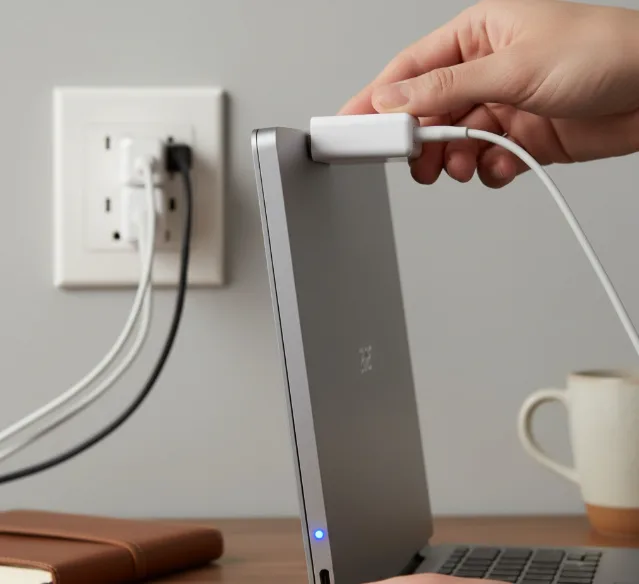
Connect the charger to your Chromebook and check for LED indicators near the charging port. A solid blue or orange light confirms the device is receiving power.
Try a different power outlet to rule out electrical issues. If no light appears, the charger itself might be faulty.
Allow Extended Charging Time
Keep the Chromebook plugged in for at least three hours before attempting to power it on. Completely depleted batteries need significant time to accumulate enough charge.
Test with an alternate charger if available. This helps identify whether the original charging cable has failed.
Remove All External Devices
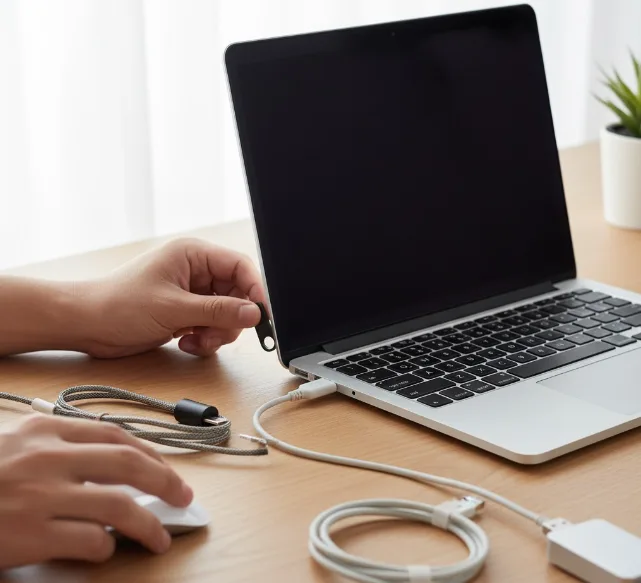
Disconnect USB drives, external keyboards, mice, and any other peripherals. These accessories can prevent the system from booting properly.
Wait 30 seconds after removing devices, then press the power button. External interference is a common but often overlooked cause.
Perform a Hard Reset
Press and hold the Refresh button, then tap the Power button once. Release the Refresh button when the device starts up.
This hardware reset clears temporary system glitches without deleting your data. For Chrome OS tablets, hold Power and Volume Up simultaneously for 10 seconds.

Test with Guest Mode
If Chrome OS loads but account login fails, sign in as a guest to bypass syncing issues. This confirms whether the problem is account-specific or system-wide.
Create a new user account if guest mode works properly. Account corruption sometimes prevents normal access.
Remove Problematic Extensions
Uninstall recently added browser extensions or Android apps that might be causing crashes. Navigate to Settings, then Extensions to review installed add-ons.
Disable suspicious items one at a time and restart after each removal. This isolates the problematic software.
Update Chrome OS
Navigate to Settings, select About Chrome OS, and click Check for Updates. Installing the latest version resolves many compatibility and stability issues.
Restart the device after updates complete. Outdated software can cause frequent freezing or shutdown problems.
Execute a Powerwash
Factory reset your Chromebook through Settings by selecting Advanced, then Reset Settings. This erases all local data and returns the device to original condition.
Back up important files to Google Drive before proceeding. Powerwash solves persistent software conflicts and corruption.
Enter Recovery Mode
Press Esc + Refresh + Power simultaneously if the operating system fails to load. Follow on-screen prompts to reinstall Chrome OS.
This method requires a stable internet connection. Recovery mode addresses serious system failures that other methods cannot fix.
Contact Manufacturer Support
Reach out to your device manufacturer if the Chromebook remains under warranty. Professional repair services can address internal hardware failures.
Consider replacement if repair costs exceed the device’s current value. Manufacturers often provide diagnostic tools to identify specific component failures.
FAQs
Why does my Chromebook screen stay black after powering on?
This indicates potential display hardware failure, loose internal connections, or graphics driver issues. Try a hard reset first, then test with an external monitor to isolate the problem.
Can a completely dead battery prevent my Chromebook from turning on?
Yes. Severely depleted batteries need several hours of charging before providing enough power to boot. Leave it plugged in for at least three hours before troubleshooting further.
Will a factory reset fix power issues on my Chromebook?
Factory resets resolve software-related problems but cannot fix hardware failures. Perform this step only after exhausting simpler solutions to avoid unnecessary data loss.
How do I know if my Chromebook charger is broken?
Test with another compatible charger or check if your charger works with a different device. Absence of LED charging indicators suggests charger failure or port damage.
Should I replace my Chromebook battery myself?
Only attempt battery replacement if you have technical experience and accept warranty void risks. Professional service is safer for most users and preserves manufacturer support options.
