


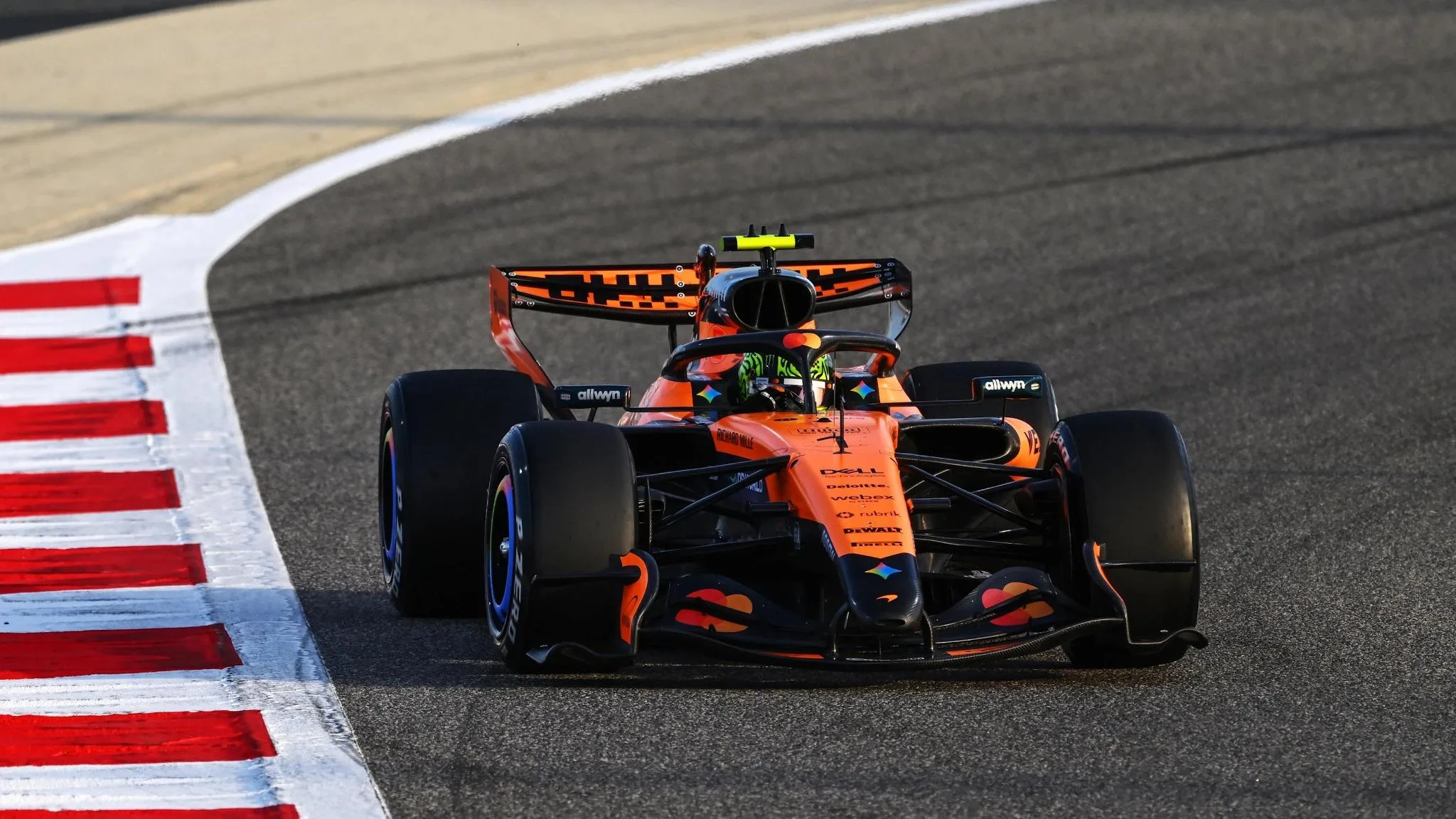
Six races into the 2026 season, Formula 1 already feels unstable in the best possible way. McLaren leads the standings. Ferrari looks quick on specific circuits. Red Bull still relies on Verstappen to stay close to the front.
Mercedes no longer feels disconnected from the title conversation. The balance at the top changes almost every weekend, which has started to influence both race strategy and betting markets.
Many fans now follow race weekends through mobile platforms such as the 1xbet – Android app while tracking driver form, live timing, and shifting championship odds in real time. Others still prefer traditional race coverage and post-session analysis.
Current Standings After Six Races
Lando Norris arrives at the European phase of the calendar as championship leader with 142 points. The margin is not comfortable yet. Max Verstappen remains within striking distance at minus 19. Charles Leclerc sits close behind in third place.
Oscar Piastri continues to collect points quietly, which may become more important later in the season than it seems right now.
McLaren leads the Constructors’ Championship with 278 points. Ferrari and Red Bull remain separated by only 12 points. Mercedes still lacks outright pace on some tracks, though the trend line has shifted noticeably since race three.
Nothing at the front feels settled. One reliability issue can erase an entire month of work.
McLaren Looks Fastest, but Not Untouchable
Norris and Piastri have given McLaren something it lacked in previous seasons: consistency across different track types. The car works well in qualifying. Long-run pace has improved too. That combination explains why McLaren suddenly controls both championships.
Still, some doubts remain around pressure management. The team now carries expectations every weekend. That changes race decisions. It changes pit strategy. It changes the atmosphere inside the garage.
Verstappen continues to operate differently from everyone else. Red Bull has not looked dominant since Bahrain, yet he keeps extracting results that probably should not be available. A cleaner upgrade cycle before Silverstone could shift the balance again very quickly.
Ferrari remains harder to read. Leclerc has delivered several exceptional qualifying laps this season. Race execution continues to fluctuate. The speed exists. The rhythm does not always survive Sunday.
Mercedes sits slightly outside the main conversation, though George Russell has kept the team relevant through consistency rather than outright pace. Some weekends still expose weaknesses in medium-speed corners. Others suggest the gap may not be permanent.
What Could Decide the Championship?
The next phase of the calendar usually reveals which teams developed well during winter and which teams reached their ceiling too early. That process has already started.
Several factors are likely to shape the title race over the next two months:
- Reliability during hotter European races
- Efficiency of aerodynamic upgrades
- Tire degradation on high-load circuits
- Driver performance during triple-header weekends
- Adaptation to the technical directives expected in July
McLaren currently manages tire wear better than most rivals. Ferrari appears strongest on circuits requiring high downforce. Red Bull still looks dangerous in unstable race conditions, especially when strategy becomes chaotic.
The margins remain small enough that weather alone could reshape the standings over a single weekend.
How the Situation Changes Betting Markets?
The championship fight opened faster than many expected. Betting markets reacted almost immediately. Odds on the Drivers’ Championship have shifted repeatedly since race two, especially after McLaren’s surge in Miami and Imola.
Attention has also moved toward secondary markets. Head-to-head driver battles attract more volume now. Markets tied to second-half race wins have become more active as well. Those coefficients tend to move sharply after upgrades or reliability setbacks.
Some bettors prefer to wait until the summer races before committing to outright positions. Others focus on shorter-term value during sprint weekends or weather-sensitive circuits. The volatility has created opportunities, though it also punishes emotional decisions quickly.
A measured approach matters more in a season like this. Markets change fast. Momentum changes faster. Setting personal limits and stepping away between race weekends often helps keep betting from turning reactive during long championship swings.
The Summer Stretch May Change Everything
The next group of races could decide whether this season becomes a genuine four-team fight or narrows back into something more familiar.
Spain, Austria, Silverstone, and Spa tend to expose weaknesses clearly. There is little room to hide once teams begin introducing their largest upgrade packages.
McLaren currently controls the standings. Red Bull still has the driver most capable of changing a title race alone. Ferrari continues hovering between brilliance and frustration. Mercedes remains difficult to place, which may be dangerous in itself.
Eighteen races still remain. That is enough time for the championship picture to reverse completely. Right now, the only stable part of the 2026 season is the instability itself.
