


Imagine this: you sketch a rough doodle of a house on a napkin, snap a photo of it, and a minute later you’re looking at a polished, watercolor-style illustration of that exact house.
You didn’t learn to paint. You didn’t hire an artist. You just gave a machine a starting point and let it run with your idea.
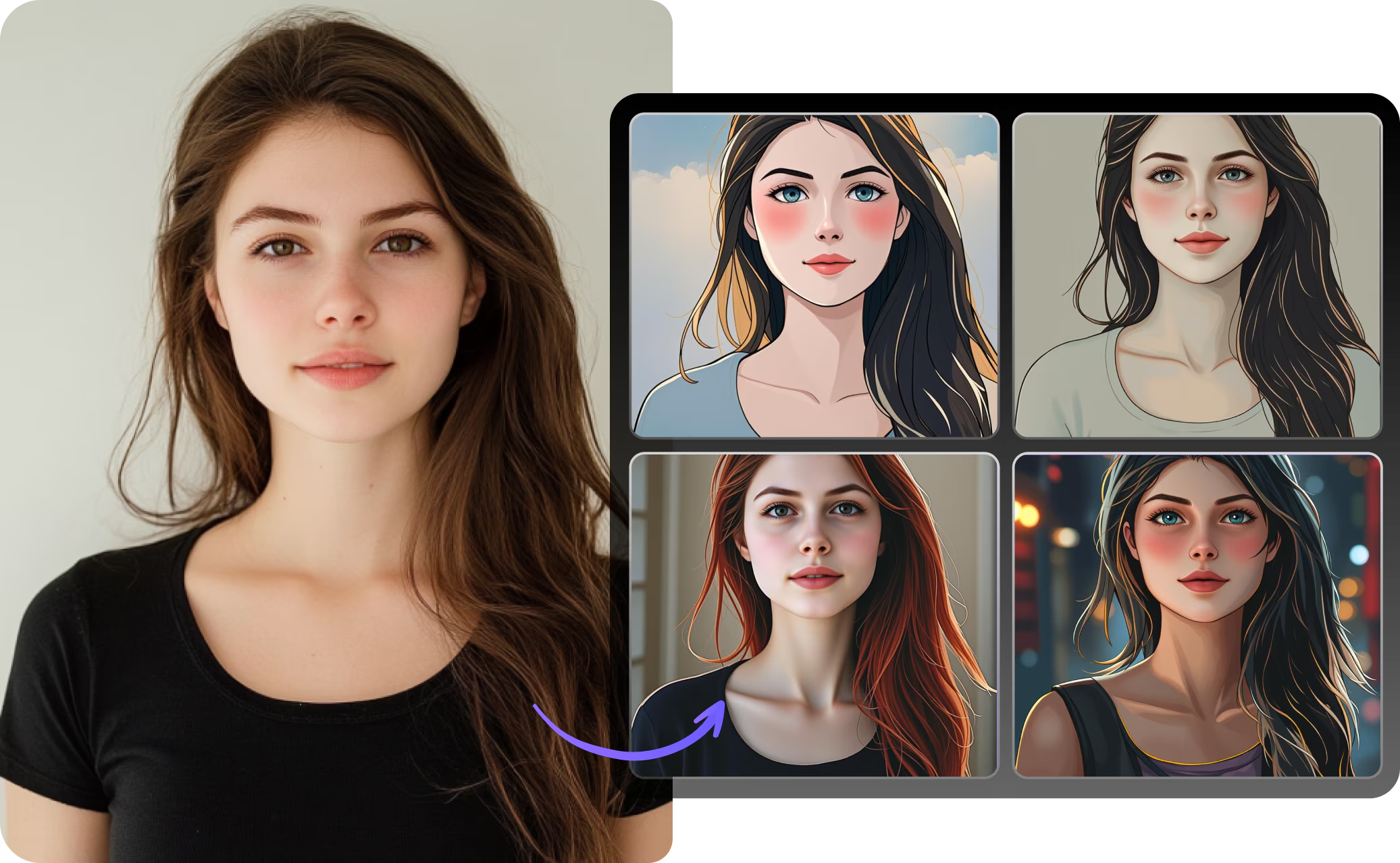
That’s the magic of image-to-image AI. While text-to-image tools grab most of the headlines, image-to-image is arguably the more useful cousin.
It’s a fast “idea factory” that helps you test wild thoughts, break past mental blocks, and explore entirely new directions. And that changes how many people think about creativity.
What Image-to-Image Actually Means?
Most people have heard of typing a prompt and getting a picture. Image-to-image works differently. You feed the tool an existing image—a photo, a sketch, or a screenshot—and tell it what transformation you’d like. The result keeps the original layout but changes the style, mood, or detail.
A blurry photo becomes crisp. A daytime street turns into a moody night scene. A plain product shot gains a studio background. The original input guides the outcome, so you get far more control than you would from words alone.
Under the hood, these tools rely on the same kind of technology that powers modern image generators. If you want the technical version, this overview of how generative image models work explains the basics. But you don’t need to understand the math to use it—which is exactly the point.
Lowering the Barrier to Creativity
Here’s a hook worth sitting with: for most of history, turning an idea into a finished image required a skill that took years to build. Drawing, painting, photo editing—these were gates, and plenty of creative people got stuck behind them.
Image-to-image tools lower the entry barrier. Someone with strong ideas but shaky drawing skills can now sketch loosely and let the tool handle the polish. A shop owner who can’t afford a design team can upload a single product photo and generate a dozen styled variations for a seasonal campaign.
A teacher can create an eye-catching science fair poster without any graphic design experience. Or a nonprofit volunteer who needs a fundraising flyer by tomorrow can turn a photo of last year’s event into a polished graphic without hiring anyone.
New Room to Experiment
The real gift of image-to-image tools isn’t just the polished results—it’s the speed of experimentation. When trying an idea costs an hour of manual editing, you try a few. When it costs a minute, you try fifty.
That shift doesn’t sound revolutionary, but it is. Creativity thrives on iteration, and with tools like an AI image generator online, iteration gets easier than ever.
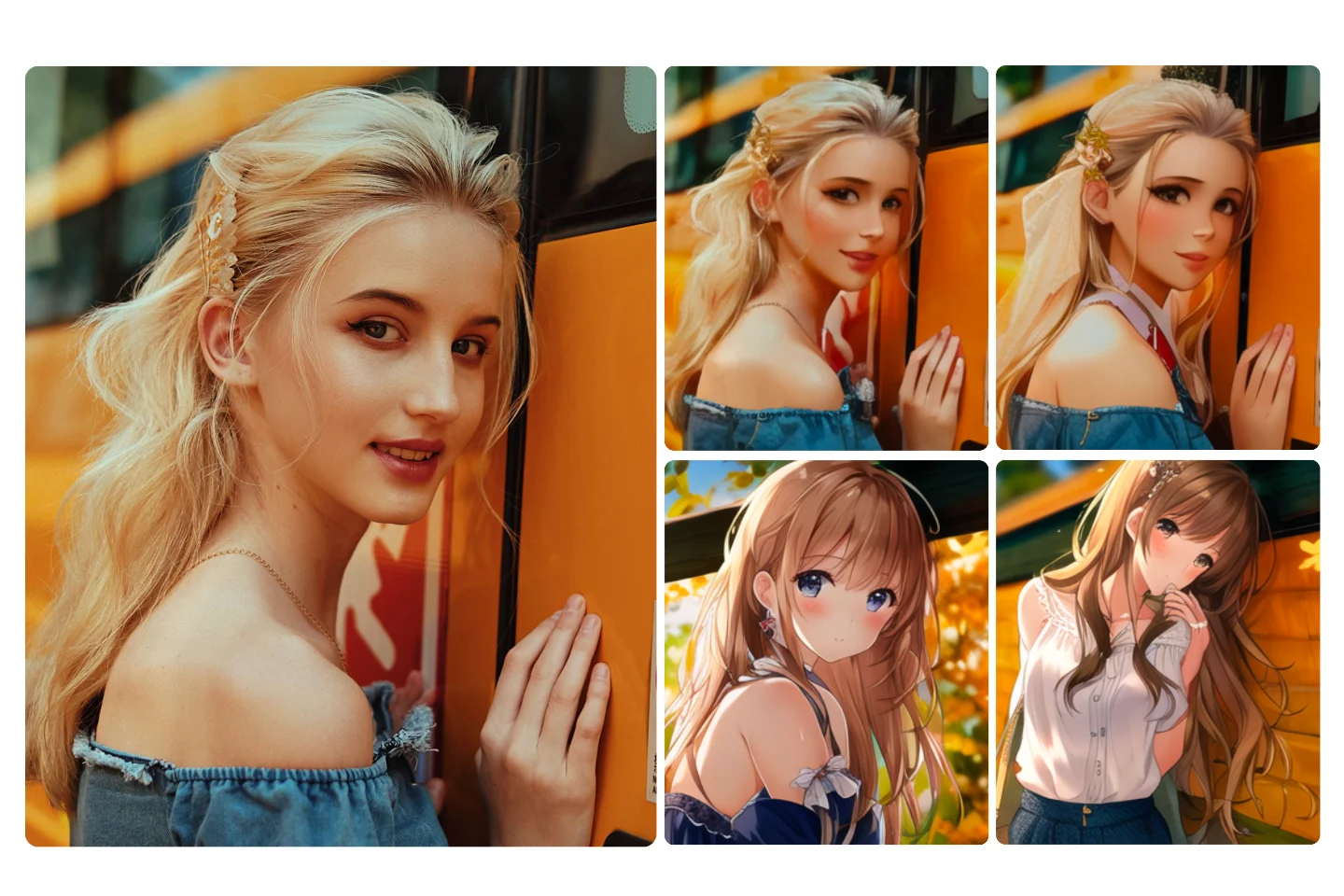
A designer can take one concept and instantly see it in ten moods before choosing a direction. A game developer can turn a character sketch into several rendered styles to decide which fits the world they’re building.
Here’s how people are using these tools today:
- Concept artists turn quick sketches into fully rendered scenes to pitch ideas faster.
- Digital designers mock up several versions of a logo, banner, or app screen in minutes, then refine the one that lands best.
- Marketers restyle a single photo into variations for different audiences or seasons.
- Interior designers show clients the same room in three different aesthetics before touching a wall.
- Photographers quickly change the lighting, season, or clothing in a photo without needing a whole new photoshoot.
- Hobbyists breathe new life into old family photos, restoring or reimagining them.
What ties all these uses together is a simple change in mindset: experimenting no longer feels expensive. When each new version costs almost nothing, people stop guarding their first idea and start chasing their best one.
Not a Replacement—A New Kind of Tool
It’s tempting to frame this as machines taking over creative work, but that’s not what’s actually happening. Image-to-image tools don’t have ideas.
They can’t decide what’s worth making or why an image should feel a certain way. They respond to a human starting point and sense of direction.
The best results still come from people with artistic taste and creative intent. The tool can generate a hundred versions—a person still has to recognize the right one.
Skilled artists aren’t being replaced so much as being handed a faster brush—one that removes some tedious steps while leaving the creative decisions where they’ve always been.
There are limits to image-to-image tools, too. These tools can misfire, produce odd artifacts, or lean on visual clichés.
Questions about copyright and the data these models are trained on remain genuinely unsettled. So, the wiser mindset is to treat the output as a strong draft rather than the final, production-ready result.
Where This Is Heading?
The trajectory is clear even if the destination isn’t. Image-to-image tools are getting faster, more precise, and easier to steer.
What once required a professional and a week of work is becoming accessible to anyone with an idea and a few minutes.
It doesn’t turn everyone into an artist overnight—but it does make the journey from idea to image much shorter.
For small business owners, hobbyists, professionals, and everyone with a creative mind, that shortened distance is where the real creative opportunity lies.
What makes this technology remarkable isn’t the images it creates, but the creative possibilities it unlocks. Creating is becoming less about technical skill and more about imagination.
