


There was a time when sports fans simply waited. Miss the match, and you waited for television highlights or the next morning’s newspaper coverage. The internet changed that rhythm completely.
Modern audiences move constantly between live streams, clips, podcasts, and social media reactions, often all at once.
A wrestling fan might watch a match while following online commentary on another screen. Increasingly, the conversation around the event becomes part of the event itself.
Real American Freestyle, or RAF, seems unusually aware of this shift.
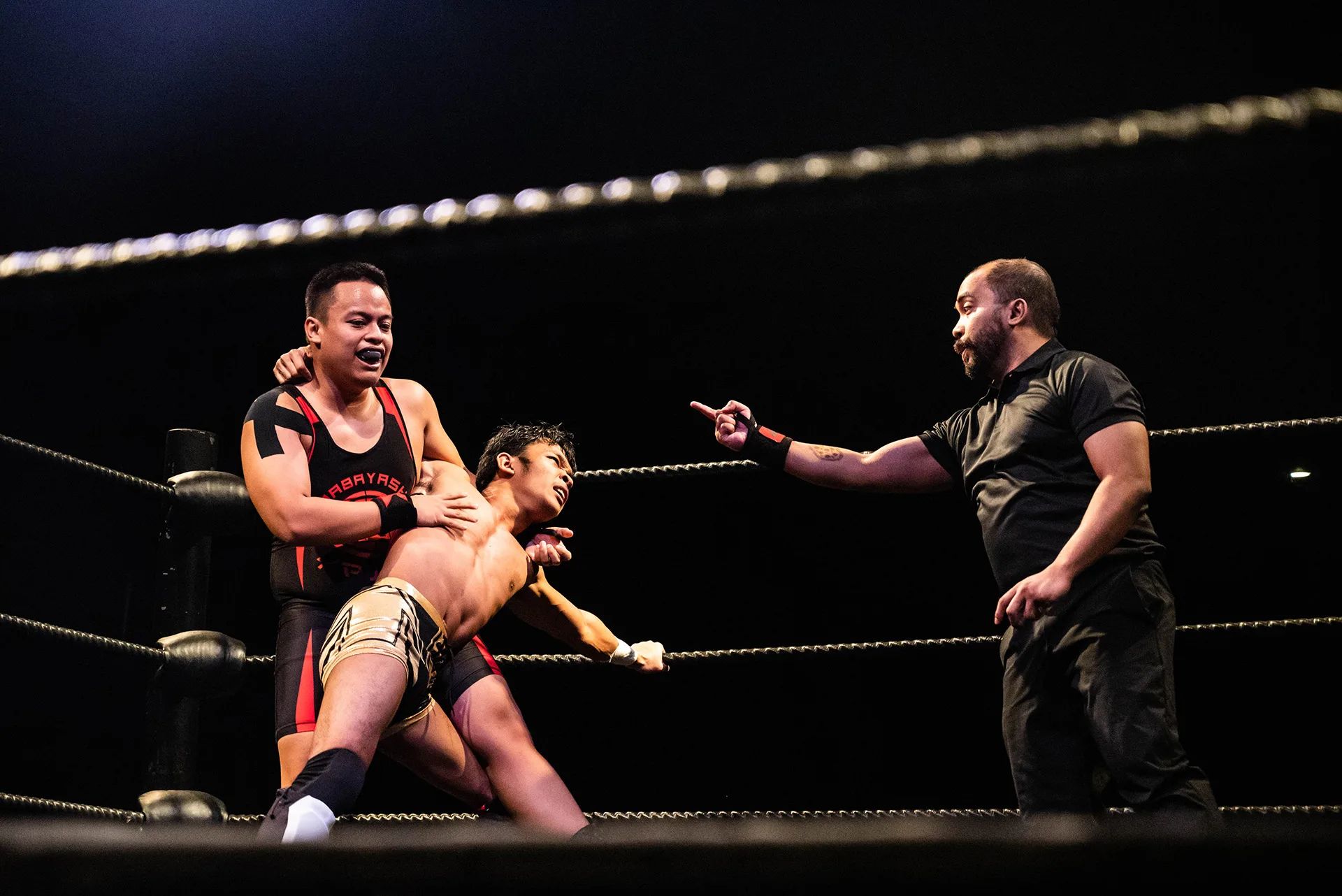
The promotion has entered wrestling at a moment when visibility depends less on scheduled broadcasts and more on continuous engagement.
Digital growth rarely happens overnight, but organizations that understand online audiences often build stronger loyalty over time. RAF appears to be moving in precisely that direction.
Wrestling Has Become an Always-On Product
Traditional wrestling promotions were structured around events. Build anticipation, sell tickets, broadcast the competition, then begin the cycle again a few months later.
Digital audiences behave differently. Fans no longer disappear between matches. They remain active year-round, following training footage, interviews, rivalries, and shifting Real American Freestyle rankings long after an event ends.
For many fans, staying informed between competitions has become part of the entertainment itself rather than simply preparation for the next event.
This creates a peculiar challenge for sports organizations. Attention now depends on maintaining relevance during the quiet periods, not merely the headline moments. RAF’s approach reflects this reality rather well.
The promotion keeps athletes visible through interviews, online clips, and community discussion instead of limiting exposure to official broadcasts.
That may sound like standard social media strategy, but many sports leagues still treat digital engagement as secondary marketing rather than part of the product itself. Increasingly, the distinction no longer exists.
Why Independent Wrestling Coverage Matters?
An interesting side effect of this shift has been the rise of niche sports media.
Large sports outlets tend to focus attention where audiences already exist. Emerging promotions, therefore, face a structural problem. They need sustained coverage before they become mainstream enough to attract sustained coverage.
Independent platforms help close that gap.
Independent wrestling coverage has become increasingly important as fans look for more than event results and rankings.
Modern audiences want regular updates on athletes, developing rivalries, upcoming matches, and the broader conversations shaping the sport.
Access to reliable Real American Freestyle news and fighter stories helps fans stay connected between events, creating a stronger sense of engagement with the athletes and the promotion itself.
In many ways, this continuous flow of information is becoming just as important as the competitions that generate the headlines.
There is also an economic logic to it. Digital publishing dramatically lowered the cost of reaching highly specific audiences. Twenty years ago, a niche wrestling publication faced serious distribution barriers.
Today, a focused platform can build a loyal readership simply by understanding its community better than larger competitors do.
The internet, among other things, rewards specialization.
The Importance of Personality
Sports executives once believed audiences primarily followed teams or leagues. Increasingly, people follow individuals.
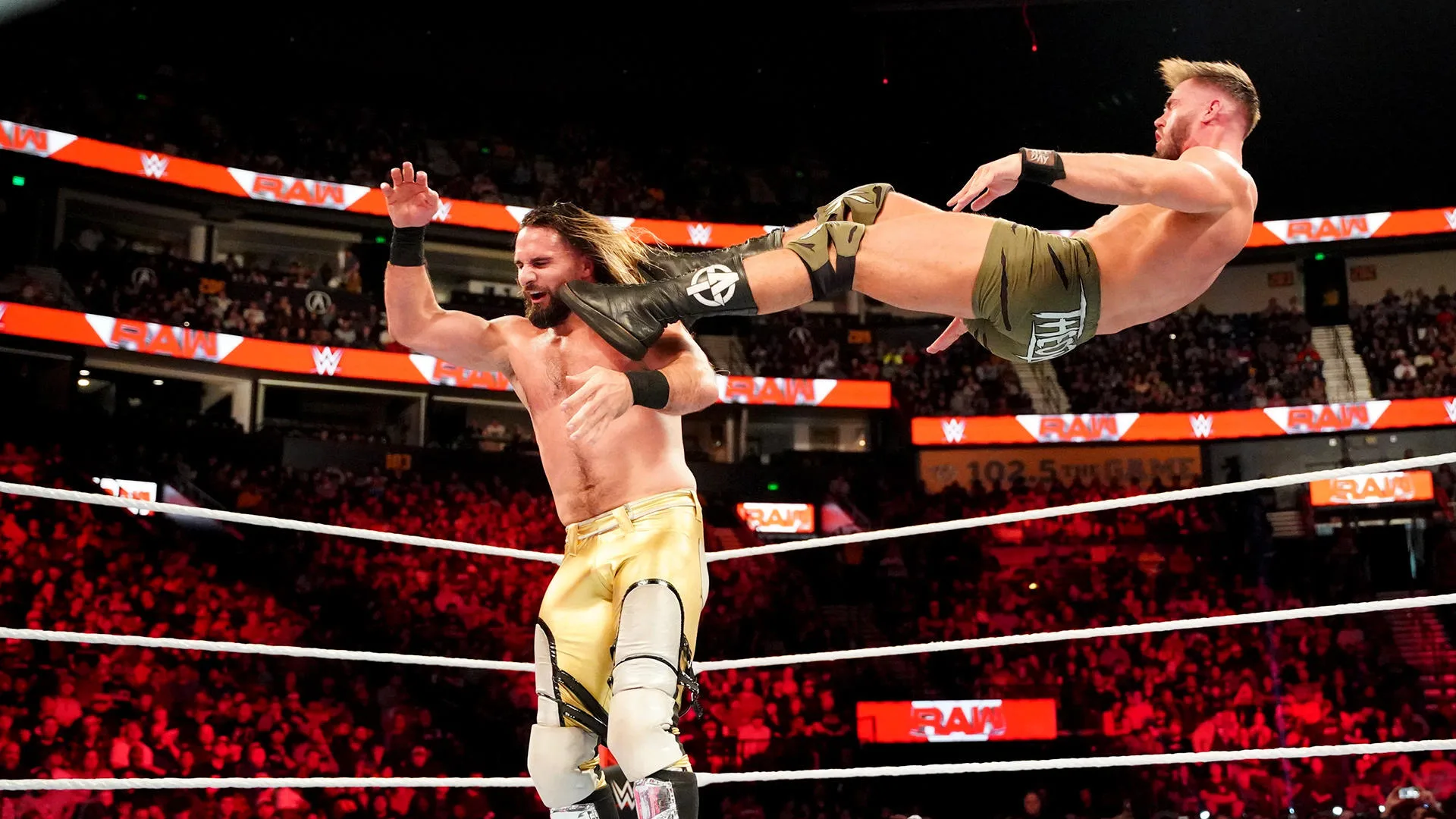
A wrestler’s personality, background, or rivalry may generate as much interest as the result itself. Social media accelerated this trend by collapsing the distance between athletes and audiences. Fans now expect access not only to performances, but to preparation, opinion, frustration, and even boredom.
RAF appears comfortable operating within this environment.
Rather than presenting athletes as distant figures who emerge briefly for competition, the promotion allows ongoing narratives to develop around them.
That creates a more persistent connection between audience and sport, particularly among younger viewers accustomed to continuous digital interaction.
Importantly, it does not feel entirely manufactured. Audiences tend to detect overly scripted engagement rather quickly.
A Different Future for Wrestling Media
What the RAF represents, perhaps, is less a reinvention of wrestling than an adaptation to how media now function.
Sports audiences increasingly discover promotions through online ecosystems rather than traditional television alone.
Streaming platforms, lightweight devices, and cloud-based media consumption changed the economics of attention. Fans follow conversations as much as competitions.
Whether Real American Freestyle ultimately becomes a defining force in wrestling remains uncertain. Sports history contains many ambitious projects that generated early excitement before fading quietly.
Still, RAF’s digital-first instincts appear aligned with the habits of modern audiences in a way many emerging promotions are not. And that may matter more than elaborate marketing campaigns or oversized broadcasting deals.
In the current media environment, relevance often belongs to whoever remains part of the conversation longest.
