


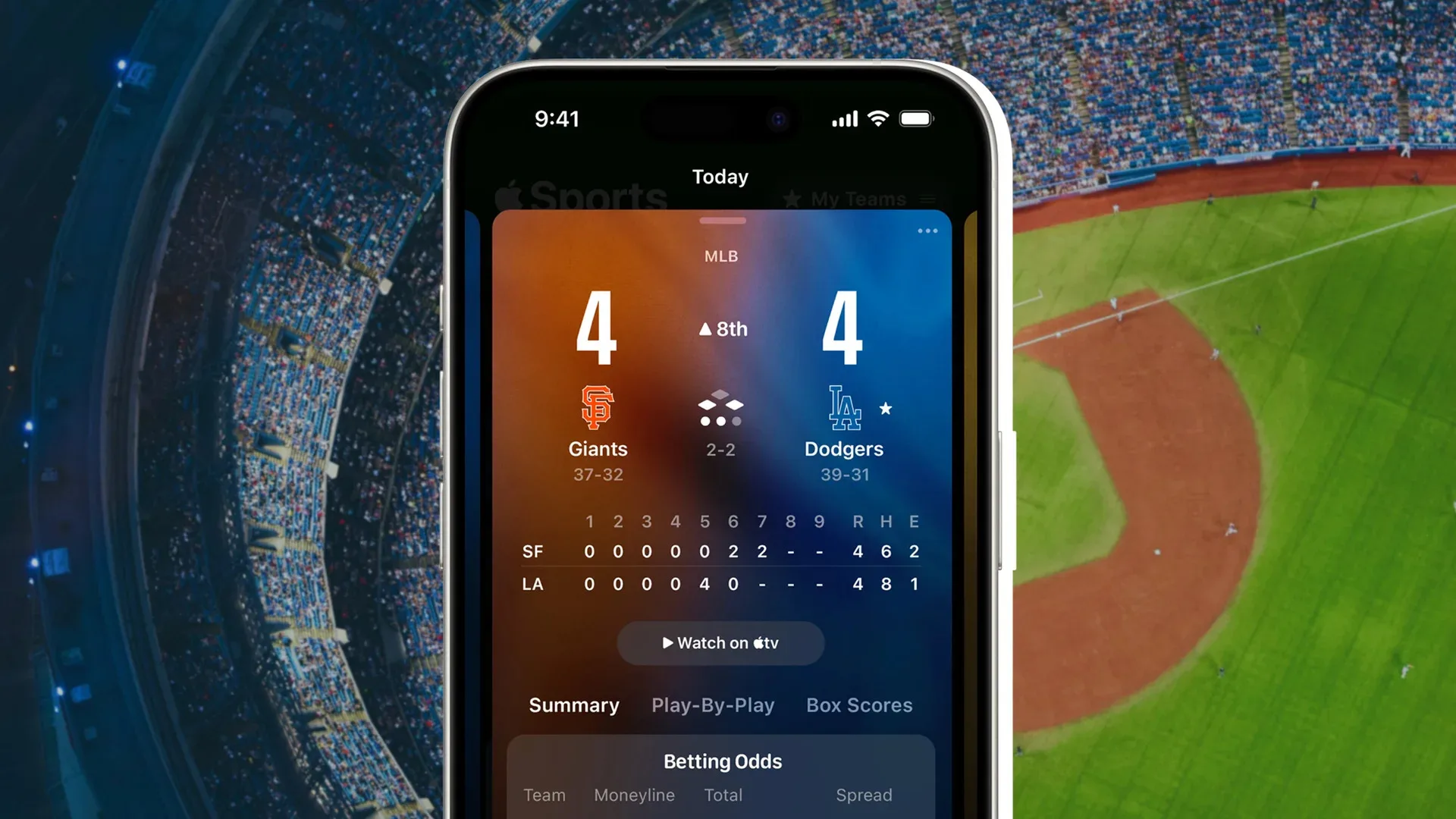
A strong sports score app earns attention when several matches are moving at once. It should show the score quickly, but that is only the first layer.
The better apps explain the match through lineups, cards, substitutions, pressure charts, short clips, and broadcast details when the rights allow them. On a busy match night, a user may keep a bookmaker site such as mm.1xbet.com open in the background while following the live tracker.
The score app still has to do its own job well: make the game easier to read, reduce guesswork, and show why the momentum has changed.
Start with the sport that matters most
A score app should match the way the user follows sport. Football needs lineups, substitutions, cards, standings, injury notes, and TV schedules.
Tennis needs fast point updates, serve breaks, set history, and medical timeout alerts. Basketball needs pace, foul trouble, run tracking, and quick box-score movement.
That is why the first step is not downloading every popular app. The first step is deciding which sport carries the most value during the week.
FotMob or OneFootball can work well for football because they keep fixtures, team news, and match context close together. Flashscore or SofaScore makes more sense when several sports are active at the same time.
Check speed before anything else
A delayed alert ruins the purpose of a live score app. The goal, red card, break point, injury, or final whistle should appear fast enough to be useful. If the app refreshes late, the user is already reading old information.
Flashscore is strong for raw speed across many sports. SofaScore is also quick, but its extra value comes from showing more context around the score.
A 1-0 lead can look safe until the pressure graph, shot data, or player ratings suggest something else. That kind of detail helps turn a score into a clearer match picture.
Use stats to read the match
The best score apps do not stop at goals. They show whether a team is actually controlling the game or only protecting a lucky lead. Shot maps, possession, expected pressure, substitutions, cards, corners, and player ratings all help build that picture.
This matters for ordinary fans and for betting follow-up. A live market can move after one goal, but the better question is whether the match supports that movement. A favorite may score early and then stop attacking.
An underdog may concede first but still create better chances. A score app with deeper stats helps spot that difference before the result becomes misleading.
Add video only when it helps
Highlights and broadcast features are useful, but they should not be the main reason to choose a score app. A slow app with video is still a slow app. The score and match data need to work first.
ESPN and Fubo are stronger when video matters. ESPN can bring highlights, clips, and wider sports coverage.
Fubo makes more sense for users who already want live channels and a streaming-led setup. OneFootball can also be useful for football clips and selected live content, depending on region and rights.
The video should confirm what the tracker suggests. It can show whether a player is moving badly after a challenge. It can reveal whether a defensive line is collapsing. It can also explain a momentum swing that numbers alone do not fully capture.
Set alerts with restraint
Too many alerts turn the phone into noise. A useful setup should be selective. Goals, cards, lineups, kick-off, half-time, full-time, and key match events are usually enough.
365Scores is helpful for users who want personal notification control. It lets the user follow specific teams, leagues, players, and competitions without filling the screen with unrelated updates. This works well on crowded football nights, especially when several matches affect the same table or title race.
The cleaner the alert setup, the easier it is to notice what actually matters.
Build a small matchday setup
The best approach is usually simple: one app for speed and one app for context. Flashscore or SofaScore can handle fast updates.
FotMob can support football reading. ESPN or Fubo can add video when viewing matters. 365Scores can sit in the setup when personal alerts are the priority.
A score app should not try to replace watching the match. It should make the match easier to understand when watching is impossible or when several games are running at once.
The strongest setup gives the user quick updates, enough context, and a calmer way to follow live sport without chasing every screen at once.
