


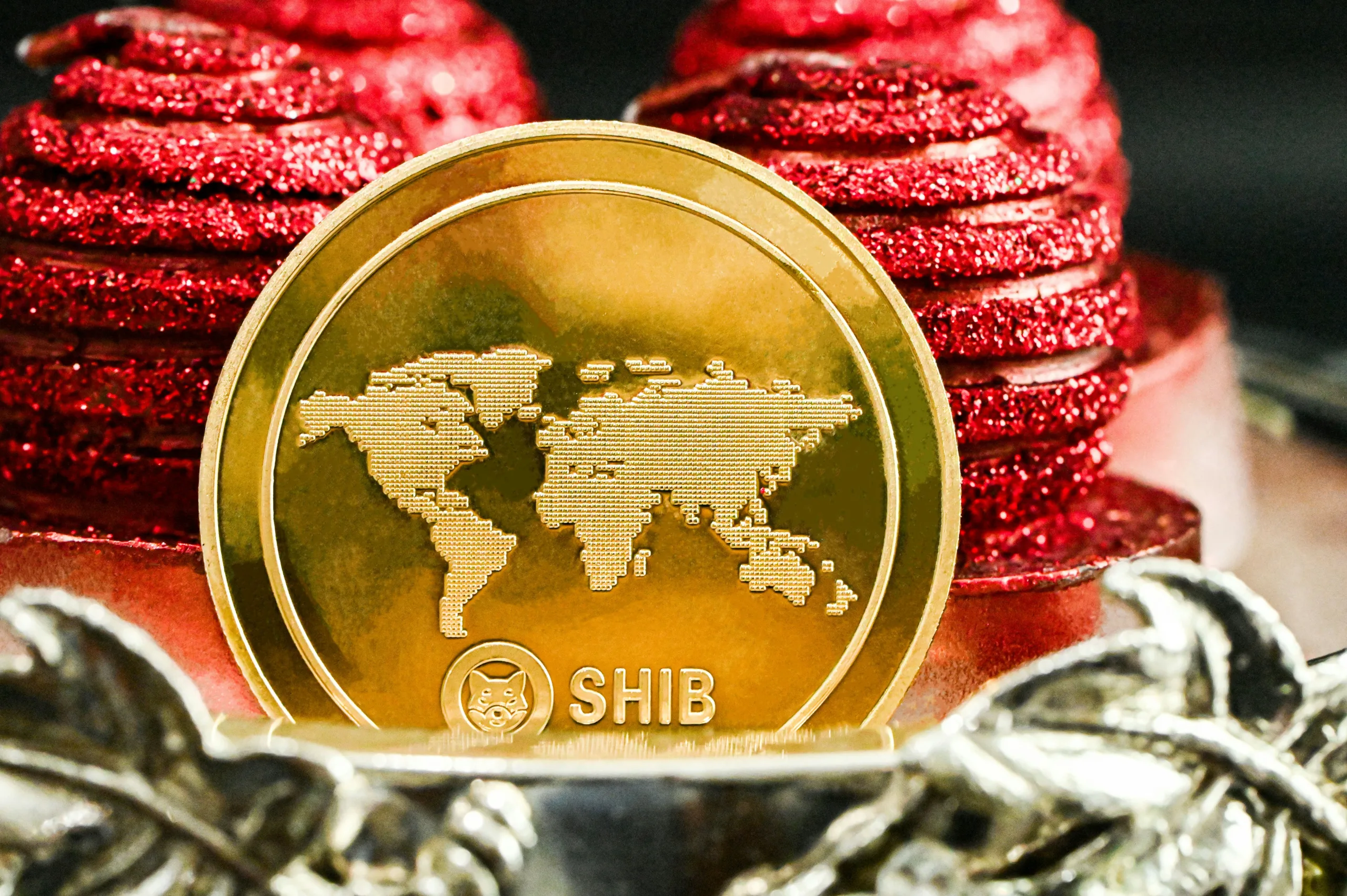
The Shiba Inu ecosystem has never been a quiet place, and in 2026, it feels more like a digital back alley lit by flickering screens and whispered rumors than a polite financial market, which is why SHIB news today doesn’t read like boring press releases but more like dispatches from the front lines of a meme-fueled economy trying to prove it has teeth.
Every burn announcement, every spike in transaction volume, every cryptic tweet from the Shiba team hits the market like a match dropped on dry paper, because behind the jokes and dog memes, there is a brutally serious experiment happening: can scarcity be engineered in real time, and can that engineered scarcity actually push the price higher in a market that never stops doubting?
Getting started with how to buy cryptocurrency may be simple, but understanding the inner workings of crypto projects is less so.
If you are holding SHIB, or even just circling it like a curious predator, the burn mechanism is not some nerdy footnote, it is the pulse of the entire project, quietly deciding whether this coin keeps breathing or slowly fades into digital dust.
SHIB’s burn mechanism, a little bit different
Shiba Inu was born as a joke, but jokes that survive long enough start to become myths, and myths start to shape reality.
The burn mechanism is the tool SHIB uses to rewrite its own story. At its core, burning means permanently removing tokens from circulation, sending them to dead wallets where they can never be used again, which sounds simple until you realize how radical it is in a world where most cryptocurrencies inflate or stay static.
SHIB started with a supply so absurdly large that a meaningful price seemed mathematically impossible, so the community and developers turned to burning as a way to address the issue. Every burn is a small act of rebellion against oversupply, a way of saying that even a meme coin can learn discipline.
What makes Shiba’s burn system feel different is its public, emotional nature. These are not hidden protocol adjustments buried in code. They are events. They are tweets, dashboards, livestreams, and trackers that people obsessively refresh.
When a large batch of SHIB is burned, you can almost feel the market lean forward, waiting to see if the price will flinch. Sometimes it does. Sometimes it doesn’t. But the psychological effect is always there, because scarcity is one of the oldest and most powerful stories humans believe in.
How do burns work?
The theory behind burns is beautifully brutal. Fewer tokens in circulation means each remaining token represents a larger slice of the pie. If demand stays the same or grows while supply shrinks, price pressure builds upward.
That is basic economics, the kind that doesn’t care if the asset is gold, oil, or a cartoon dog on a blockchain. But crypto is never just about math. It is about belief, and Shiba Inu’s burn mechanism is as much a storytelling device as it is an economic one.
Every burn tells holders that the project is trying, that it is fighting for relevance in a crowded market where attention is everything.
What are the effects of burns?
This is where things get interesting for price action. In the short term, burns often trigger hype. Traders rush in, expecting a quick pump, hoping that reduced supply will immediately translate into higher numbers on the screen.
Sometimes that happens, especially when a burn is large enough to feel meaningful. Other times, the market shrugs because in a sea of trillions of tokens, a few million burned can feel like a drop in the ocean.
That tension between expectation and reality creates volatility, and volatility is the lifeblood of crypto trading.
Over the longer term, though, the burn mechanism works more like erosion. It reshapes the landscape slowly and quietly. Month after month, year after year, the total supply inches downward.
If Shiba Inu continues to build real utility through things like Shibarium, decentralized applications, and partnerships, then those burned tokens start to matter a lot more.
Scarcity without demand is just emptiness, but scarcity combined with a living ecosystem is where price can actually find a floor and then climb.
The community plays a strange and powerful role in all of this. Shiba Inu holders are not passive investors. They are participants in the burn narrative.
Some projects even let users trigger burns through transactions, games, or fees, turning everyday activity into a small sacrifice for the token’s greater good.
That creates a feedback loop in which using SHIB perpetuates its own scarcity. It is a weirdly poetic system, like a digital bonfire where everyone throws in a stick, hoping the flames grow hotter.
Of course, burns are not magic. They do not guarantee price increases. If interest in SHIB dries up, no amount of burning will save it. Crypto history is full of deflationary tokens that still went to zero because nobody cared anymore.
What the burn mechanism really does is buy time and attention. It gives Shiba Inu a way to keep the conversation going, to keep reminding the market that this project is still evolving.
What role do burns have in 2026?
In 2026, that matters more than ever. The crypto world is brutal now. Thousands of projects fight for a sliver of liquidity, and narratives shift faster than most investors can keep up.
A burn event cuts through that noise. It creates a moment. It forces traders, influencers, and algorithms to look at SHIB again, even if just for a second. In a market driven by attention, that alone has value.
The deeper question is whether Shiba Inu can turn those moments into momentum. Burns can light the spark, but utility has to keep the fire going.
If more people use SHIB for payments, gaming, DeFi, or whatever the ecosystem builds next, then each burned token becomes more significant. The same shrinking supply is now being pulled by growing demand, and that is where price movements stop being random and start looking like trends.
There is also a darker side to all this. Burns can create unrealistic expectations. Some holders start to believe that if enough tokens are destroyed, SHIB will inevitably reach some magical price point. That kind of thinking ignores how markets really work.
Price is not just about supply. It is about trust, liquidity, and the willingness of new buyers to step in. Burns help, but they are not a substitute for a real, functioning project.
So when you see another burn headline flash across your screen, don’t just ask how many tokens were destroyed. Ask what is being built at the same time. Ask whether people are still using, still talking, still caring. Because in the end, the burn mechanism is a mirror. It reflects the health of the entire ecosystem.
