


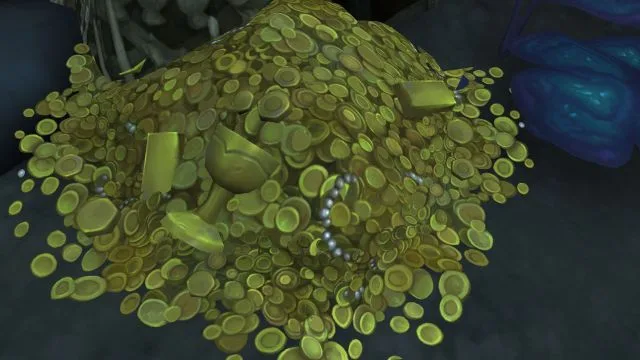
Gold disappears fast once you start actually raiding and pushing content. Small purchases add up quietly. At the same time, a few big ones drain your stash instantly. Are you faced with the very same issue? Let us break down where your gold actually goes each week.
Most players underestimate how many categories eat into their gold pile. Between repairs, consumables, and housing, weekly costs pile up quickly. That is exactly why so many players choose to buy WoW gold instead of grinding constantly.
Farming it yourself takes time. So, topping up occasionally saves plenty of hours. Some players farm gold happily and never touch a Token at all. Others prefer spending real money and skipping the grind entirely.
Neither approach is wrong, since playstyles and free time vary wildly. Knowing these categories ahead of time helps you budget properly from week one.
Repairs
Armor and weapon repairs remain one of the most consistent gold sinks in the game. Wiping repeatedly during Mythic+ or raid progression adds up fast.
Frequent dungeon runs also chip away steadily at your gold over a full week. Tanks, in particular, notice this costs more, since their gear takes heavier durability loss.
Consumables
Flasks, potions, food, and enchant-like buffs form a core weekly expense. These items directly boost damage and healing output during raids and keys.
Serious raiders restock every single week without fail, since output depends on it. Even semi-casual players feel this cost once they start pushing harder content. Prices on these items often spike right before a new raid tier launches.
Transportation and Convenience
Flight paths themselves stay largely free. However, some faction services still cost gold. Certain NPC teleports, portals, or convenience services carry a real gold price tag.
These costs stay small individually. However, frequent travel adds them up over time. Players leveling multiple alts feel this costs more than for single-character players.
Auction House Materials
Herbs, ore, leather, and cloth remain constant purchases for anyone crafting seriously. Buying these instead of farming saves time but costs meaningful gold weekly.
Crafters chasing top-quality results often need premium reagents that carry a steep price. Some rare reagents spike hard right after a patch drops, then settle over weeks.
Profession Leveling
Leveling a profession from scratch quietly becomes one of the biggest gold sinks around. Learning each new recipe tier from a trainer usually costs a small gold fee.
Individually, that fee looks tiny. However, it stacks noticeably across dozens of recipes. The higher cost, though, comes from buying every single crafting reagent needed.
Many players skip farming entirely and level purely off the auction house instead. This power-leveling straight from the auction house burns through gold incredibly fast. Rare or high-tier materials especially drive the total cost upward during a fresh patch.
Niche Crafting Materials
Certain crafted goods require rarer components beyond standard profession materials. Housing pieces, premium cosmetics, and top-tier gear all fall into this bucket. Building or reselling these items can demand a serious gold investment upfront.
Mounts, Pets, and Transmog
Bind-on-equip mounts and rare transmog pieces often carry steep auction prices. Collectors chase these items constantly, driving prices up during popular content weeks. Some prestige mounts alone can wipe out weeks of careful saving.
Pet collectors face similar costs, especially for rare battle pet drops. Transmog hunters often spend just as much chasing a single missing appearance.
Boosts and Paid Services
Many players buy Mythic+ keys, raid boosts, or full carry packages from others. These services save time for players without a fixed group or schedule.
Guild services, housing upgrades, or design help also fall under this paid category. Busy players especially value these options during a fresh tier’s opening weeks.
Enchants and Gear Upgrades
Enchants and item upgrades steadily drain gold every time gear improves. Midnight’s upgrade system now requires both Dawncrests and a gold cost per rank. This replaced the old Valorstone system used in earlier expansions.
Crafting Orders, Recrafting, and Disenchanting
Midnight’s crafting order system lets players pay others directly for top-tier gear. Posting a public order means supplying your own reagents plus a gold tip.
Skilled crafters often demand higher tips for guaranteed maximum-quality results. Guild-only orders usually run cheaper. However, public orders reach far more crafters.
Recrafting existing gear into a higher quality tier costs materials plus a fee. Disenchanting unwanted items recovers some value.
However, rarely covers the original cost. Serious raiders spend gold across all three of these systems chasing extra item level.
Cosmetic Purchases
Housing decor, character customization, and cosmetic skins remain entirely optional purchases. Many players still spend heavily here, since it is the most personal category. These purchases rarely help gameplay. However, they clearly matter emotionally to collectors.
Small but Constant Costs
Mailbox fees and auction house cuts quietly nibble away at your gold daily. Bank slots, bag upgrades, and storage expansions cost little individually, but add up. Low-tier flasks and basic consumables also drain small amounts constantly throughout leveling.
Housing: The Newest Gold Sink
Player housing introduced an entirely fresh category of ongoing expenses. Claiming your first plot costs a flat 1,000 gold, regardless of location. Basic furniture stays cheap, often just a few gold per piece from vendors.
A functional starter home usually runs 5,000 to 15,000 gold total. Chasing a fully themed build with premium crafted decor can climb past 100,000 gold.
Collectors who want rare Investment-tier pieces spend the most here by far. Decorators often keep spending indefinitely, since new items are released every single season.
The WoW Token: Turning Gold Into Game Time
The WoW Token offers a legal bridge between real money and in-game gold. Blizzard sells each Token for roughly $20 through the in-game shop directly.
Players can then list that Token on the auction house for gold. Prices shift constantly based on server demand and current patch hype. In mid-2026, a single Token traded for around 400,000 gold on US servers.
Buying a Token this way covers 30 days of game time instantly. Some players instead redeem gold-bought Tokens for Battle.net balance on other purchases. Either direction works as a safe, Blizzard-approved way to convert currency.
Where Most Weekly Gold Actually Goes?
For a typical raider, consumables and repairs eat the biggest recurring chunk. Casual players usually spend more on cosmetics, mounts, and housing pieces instead. Mythic+ pushers lean heavily toward boosts, keys, and enchant costs each week.
Collectors chase rare mounts and pets, regardless of the gold required. Crafters, meanwhile, sink most of their income straight into reagents and recipe unlocks.
Final Say!
Gold in WoW Midnight disappears across dozens of small and large categories. Repairs and consumables hit every raider consistently, week after week. Housing and cosmetics pull in players chasing a personal, creative outlet instead.
Boosts and services exist for anyone short on time or specific skills. Profession leveling quietly drains more gold than most players expect going in. Understanding these categories helps you plan a realistic weekly gold budget, whichever path you take.
