


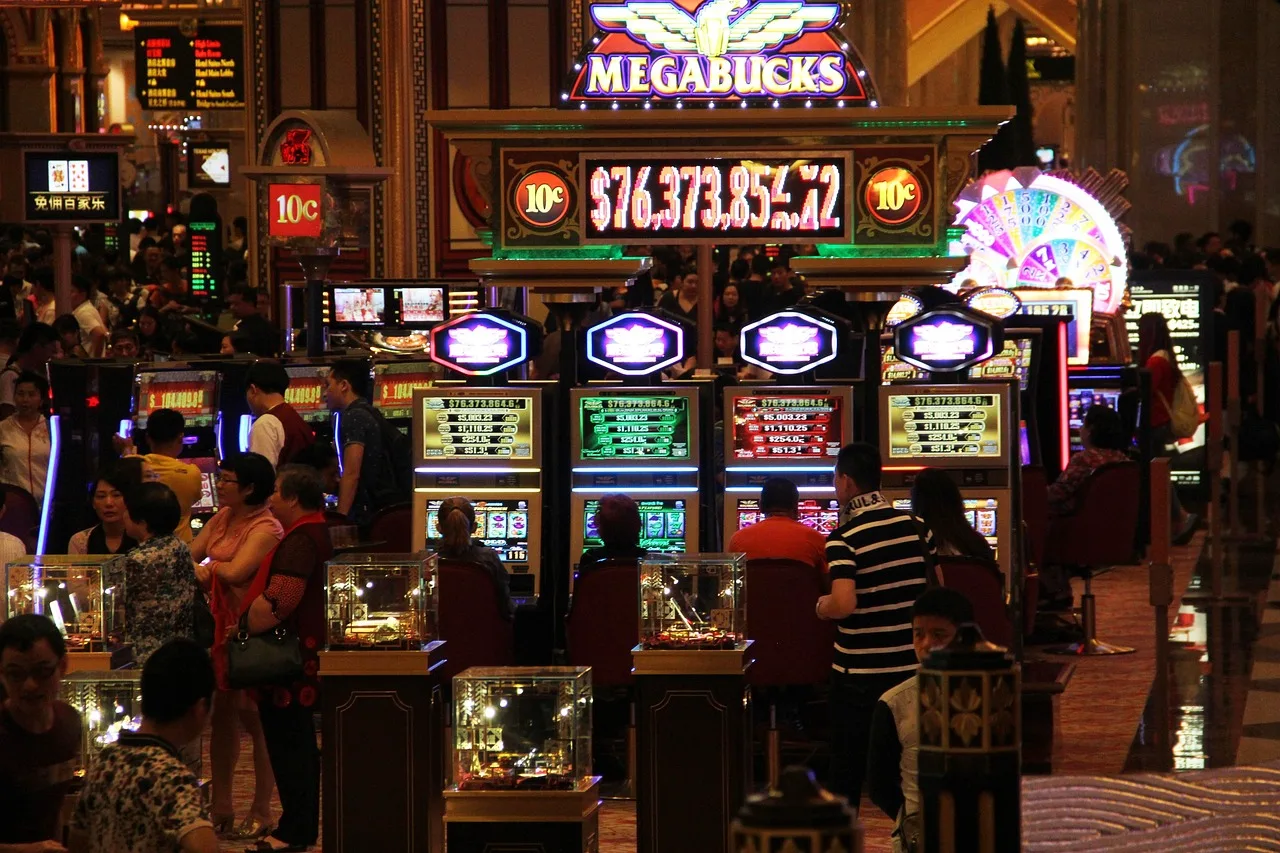
Online casino platforms have changed a lot in the past few years. The rise of live dealer formats has pushed developers to rethink how these games are built and what players now expect. It’s no longer just about putting a camera on a roulette wheel or dealing cards on-screen.
A live casino site today is expected to include interactive elements like game shows, live bonus rounds, and real-time slots with active features.
Gamification now shapes the standard structure of these sessions across the board, blending casino logic with tools that come straight out of video game development.
In fact, the influence of video games is easy to spot. Concepts like missions, leaderboards, unlockable content, and user stats first gained ground in console and mobile titles. Now they’re showing up on live betting platforms with full force.
Leaderboards, Scores, and Rankings Have Become Central to Game Sessions
Traditional casino formats didn’t use player-versus-player comparisons, but this has changed in recent years. Many live dealer games now include point systems that run across sessions, showing users where they stand among others. The purpose isn’t just to reward the highest spenders.
It’s to turn the session into a repeated loop where users work toward higher placement. In games like Lightning Dice or Mega Ball, players often aim for bonus tiers that only unlock through ranked performance.
This kind of structure was built into online video games years ago. In games like League of Legends, ranked ladders keep users coming back to move up a division. Live dealer games now use that same idea.
The aim is not just to win a hand or land a multiplier, but to complete a set of actions that improve a player’s overall score. Over time, this keeps users from viewing each game as separate. Instead, they start to treat the platform as a place to level up.
Mobile Game Tactics Have Replaced Standard Session Design
Casino platforms began adapting mobile game methods once they saw how much time users were spending in app-based games. This included mission-based content, streak rewards, and limited-time events. Those same tools now drive the structure of live dealer games.
Players might enter a session and see countdowns, bonus chances, or featured side games only available for a few hours. This gives the format urgency without changing the base rules. The format of Cash or Crash reflects this clearly.
Users go step by step, choosing whether to collect or continue. This mirrors tap-based decision games like Choices or Reigns, where one input sends the player down a different route.
These setups create short matches with changing paths, something that works well on mobile and has now become standard on live casino platforms. It’s the opposite of static play. Each session includes choices, possible unlocks, and a sense of pace.
Game Shows Have Taken Over as the Preferred Format
Table games still appear in live dealer menus, but they’ve become secondary to more structured formats. Game shows now take priority.
They’re given top visibility, updated more often, and supported with better production tools. These titles rely on hosts, scripted segments, and built-in stages that guide users through each session.
Rather than focusing only on the outcome, they build tension across rounds, which changes how people interact with the game. In Deal or No Deal Live, players work through stages where decisions shape what happens next.
The session doesn’t move forward until the player acts. This approach makes the game feel more like a controlled experience than a random spin.
It’s a format closer to what’s seen in arcade or party games like Super Mario Party, where each turn depends on direct input and the pace shifts depending on the group’s choices. Titles like Crazy Time and Boom City follow the same method. They use scheduled bonus rounds, side picks, and timed decisions.
These mechanics draw from older video game styles where user reaction and stage flow mattered more than pure chance. As a result, the player’s role changes.
Real-Time Interaction Has Replaced Passive Viewing
Live dealer formats no longer ask the player to sit back and watch. Many now require direct actions during the session. This might mean tapping a bonus icon, picking a game tile, or choosing a round path.
In Gonzo’s Treasure Hunt, for example, players select positions on a board before the result is revealed. It’s not about watching a spin. It’s about setting up a move and waiting for a reaction.
This kind of interaction was a major part of video game design long before it reached casino platforms. In titles like Minecraft or The Sims, the user is part of the environment, shaping what happens next.
The same logic now applies to live dealer games. The user takes action to affect outcomes or trigger features. This keeps engagement high without increasing the betting element. It’s built around pace and reaction, not just luck.
Gamification Has Become the Framework, Not the Feature
What used to be added on top of live dealer formats as a bonus has now become part of their foundation. These games are no longer built and then enhanced with extra layers. They’re designed from the ground up with missions, progress paths, and performance-based feedback systems.
Players arrive with a clear expectation that their session will include more than just betting rounds. They want access to in-game stats, streak bonuses, unlockable events, and time-based challenges. Platforms now release new games with these features already built in, rather than as limited-time extras.
In short, gamification no longer supports the content; it is the content. The change has moved beyond aesthetics or marketing hooks. It has shaped how developers think about user engagement from the earliest planning stages.
As video game systems continue to influence other media formats, live dealer platforms will likely deepen this structure even further.
The direction is clear: the live table is no longer just a place to bet. It’s a framework designed to keep players involved through repeatable systems that feel active, trackable, and earned.
