


Over the years, Chromebooks have evolved from lightweight web-browsing devices to fully fledged workstations able to handle almost all tasks. Increasingly, those tasks include decentralized applications (dApps) and blockchain-based tools.
With the rise of crypto wallets, decentralized finance (DeFi), and Web3 platforms, many users are now asking how well ChromeOS handles blockchain technology and related applications.
The short answer is yes, Chromebooks can handle these apps, but there are a few things you need to know beforehand.
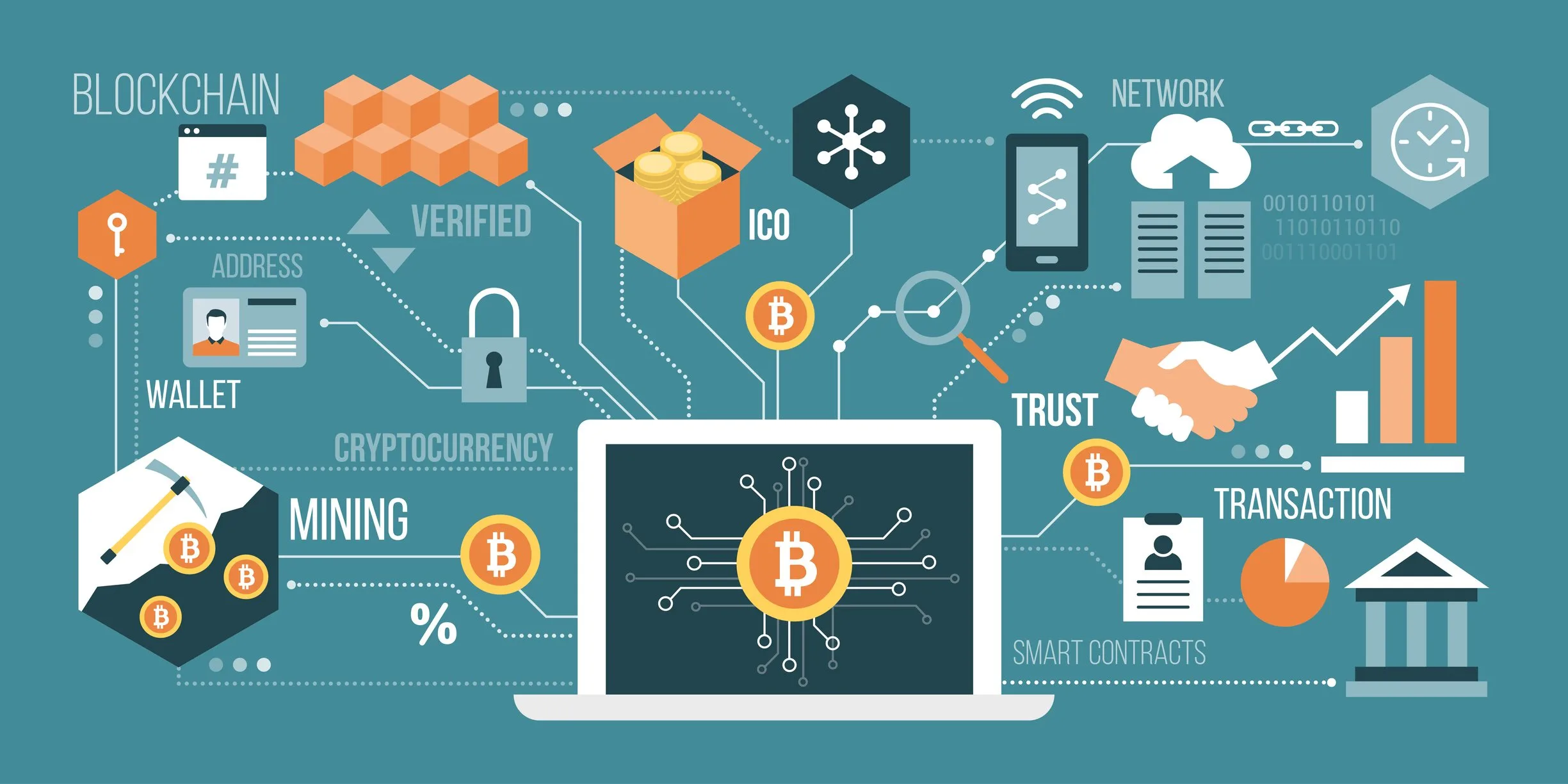
ChromeOS and the Web3 Shift
When first created, Chromebooks exploited their greatest strengths, like simplicity and cloud-based computing, to the fullest. However, the Internet has changed with the introduction of Web3. It completely changed how we think about apps and data.
Decentralized systems forced everyone to think in terms of private keys and distributed ledgers, instead of just shoveling everything onto Google Drive.
But Chromebooks, surprisingly for some, handled this paradigm shift extremely well. Thanks to regular updates and Linux (Crostini) integration, modern Chromebooks can now run full crypto wallets, local blockchain nodes, and even development environments for smart contracts.
The developers have managed to create a highly versatile system that offers so much more than just web-based services.
Privacy and Security
One of the biggest strengths of Chromebooks is security, which makes them ideal for use in the crypto space. Features like verified boot and automatic updates make them very hard to tamper with.
Combined with hardware-backed encryption for user data, this makes Chromebooks an appealing choice for crypto enthusiasts who value safety over raw processing power.
Google has also improved control over extensions and site permissions. In 2025, the latest version of Chrome includes fine-grained privacy options that allow you to restrict clipboard access, USB permissions, and cross-site cookies.
These seemingly small details can make a big difference when handling sensitive financial data and potentially save you a lot of headaches down the road.
Things are a bit less rosy when it comes to privacy, though. Chromebooks are deeply integrated into the Google ecosystem, and its private data-sharing policies remain controversial, to say the least. Make sure to keep that in mind when handling sensitive data, like private crypto keys.
Everyday Crypto on ChromeOS
For day-to-day use, Chromebooks are excellent tools for managing crypto portfolios, monitoring prices, or even experimenting with dApps. Services like CoinMarketCap, CoinGecko, and DEXTools work seamlessly in the browser, while portfolio trackers like Zerion and Zapper now offer PWA support.
And yes, if you’re curious about entertainment applications of crypto, you can even access blockchain-based gaming or a Bitcoin casino directly from ChromeOS, though, as always, security and regulation should be top of mind.
In short, Chromebooks aren’t just workstations anymore, and you can even have some fun with them, which is why we see more and more Webopedia users with them.

Limitations to Keep in Mind
Despite their obvious advantages, Chromebooks do have several limitations that blockchain users should keep in mind. One of the biggest ones is their inability to function as mining rigs. Most Chromebooks use energy-efficient ARM or low-power Intel processors, making them unusable for mining operations.
Their limited storage capacity also makes them unsuitable for storing vast amounts of data, sometimes needed for blockchain databases. Even external storage units don’t alleviate the problem entirely.
Finally, there are some issues with the Linux operating system that can make it hard to add hardware components that would increase the computer’s functionality for blockchain operations.
However, these limitations don’t impact most users. The majority of crypto activity, from trading to NFT minting and DeFi participation, happens through web-based interfaces that Chromebooks handle effortlessly.
Conclusion
Chromebooks have come a long way from being simple web devices. Features like the addition of Linux support, better hardware, and a rapidly expanding Web3 ecosystem make them perfectly capable of handling nearly every crypto-related task short of full-scale mining or infrastructure hosting. If those aren’t your concern, then Chromebooks are an almost ideal crypto platform.
