


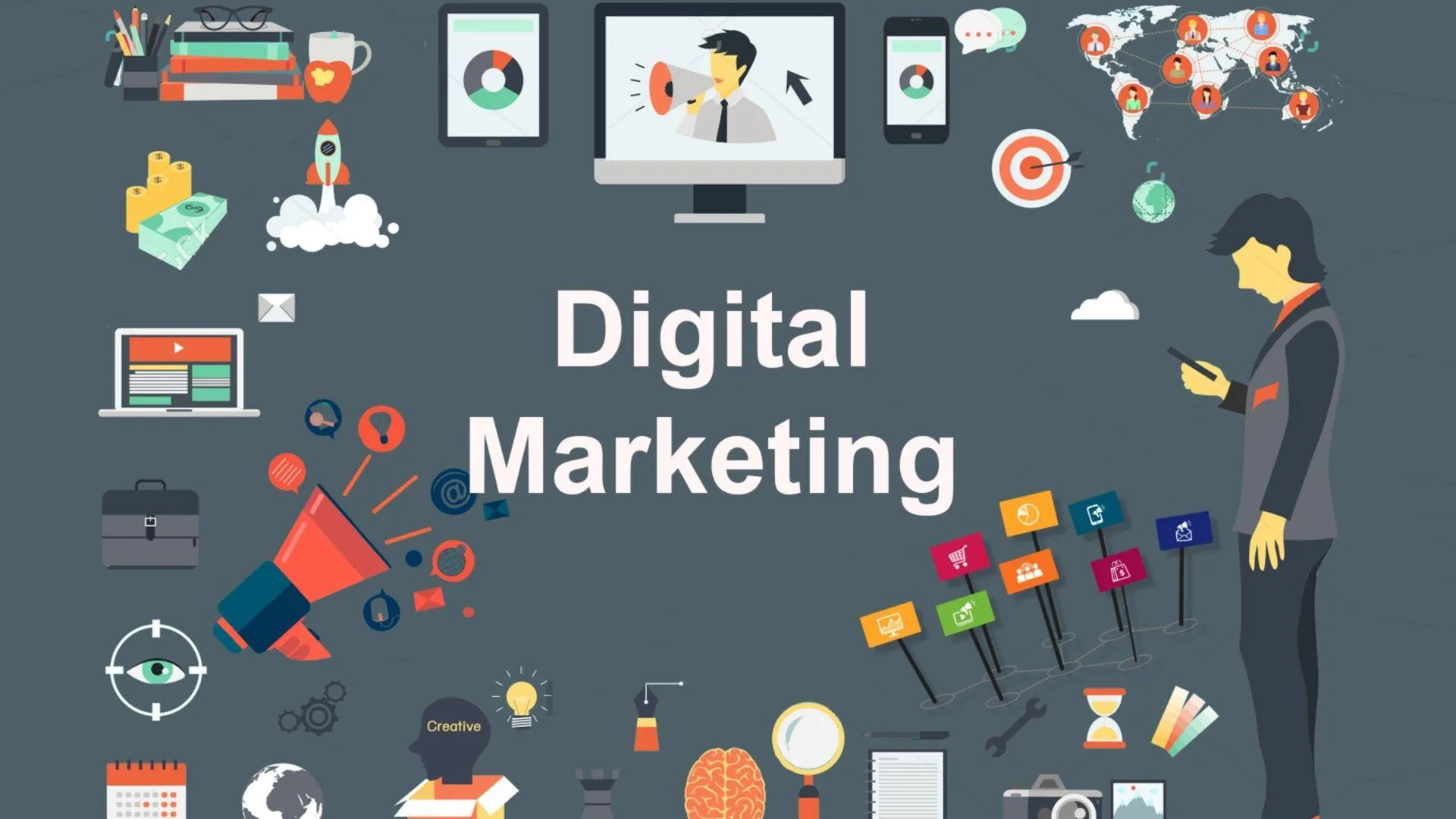
As we navigate 2026, digital marketing has undergone a profound transformation. Artificial intelligence is no longer a supplementary tool but the foundational infrastructure shaping how brands connect with consumers.
From hyper-personalized experiences to AI-driven search visibility, marketers must evolve or risk irrelevance in an ecosystem where algorithms anticipate needs before users articulate them.
Emerging technologies like agentic AI, generative engine optimization (GEO), and immersive content are redefining engagement, while privacy regulations and a demand for authenticity push brands toward transparent, human-centered strategies.
At the forefront of this shift is the rise of advanced AI companions that exemplify hyper-personalization. Kalon.ai: AI girlfriend demonstrates how conversational AI can create emotionally resonant, memory-driven interactions—complete with voice, visuals, and evolving personalities.
This level of intimacy sets new consumer expectations: if an AI girlfriend can remember preferences and adapt in real time, brands must deliver similar tailored journeys across e-commerce, social media, and customer service.
Early adopters integrating such AI see higher engagement and loyalty, proving that personalization at scale is no longer optional.
Equally critical is the human element. In an AI-saturated world, marketers and leaders must cultivate genuine connections.
Personality development emerges as a key investment, empowering professionals to build authentic personal brands, refine communication, and develop the emotional intelligence needed to stand out amid algorithmic noise.
Whether through mindset coaching or confidence-building, this focus helps creators and executives craft voices that resonate beyond data points.
The Dominance of AI Agents and Hyper-Personalization
AI agents represent the biggest leap in 2026 marketing. Unlike basic chatbots, these autonomous systems make decisions, optimize campaigns in real time, and execute multi-step tasks without constant human oversight.
From drafting content to A/B testing creatives and reallocating budgets based on performance, AI agents free marketers to focus on strategy and creativity—what experts call the shift from “AI automation to AI elevation.”
Hyper-personalization takes center stage. Using first-party data and predictive analytics, brands deliver experiences that feel bespoke.
Conversational e-commerce, powered by AI, allows shoppers to interact via voice or chat as if speaking with a knowledgeable friend.
Retail media networks and shoppable CTV further blur lines between content and commerce. Brands ignoring this risk losing ground to competitors who treat every touchpoint as an opportunity for relevance.
Yet, AI’s power comes with caveats. Generic AI-generated content floods feeds, leading to “AI slop” fatigue. Success hinges on strategic integration: using AI for efficiency while infusing human oversight for empathy and originality.
Marketers who master this balance report up to 80% of campaigns becoming AI-assisted, boosting conversion rates and average order values dramatically.
Search Evolution: GEO Over Traditional SEO
Traditional SEO is evolving into Generative Engine Optimization (GEO). With AI overviews and conversational search dominating—think Google’s AI summaries and Bing’s Copilot—visibility now depends on being cited by machines rather than ranking first.
Brands must optimize for clarity, structured data, entity authority, and E-E-A-T (Experience, Expertise, Authoritativeness, Trustworthiness).
Content must be AI-summarizable: concise, factual, and semantically rich. Long-form pieces that demonstrate depth still build trust, while short-form video answers quick queries.
Voice and visual search accelerate this trend, with AR try-ons and camera-based discovery becoming mainstream.
Marketers investing in entity consistency across platforms see sustained visibility even as click-through rates drop in zero-click search environments.
To thrive, combine GEO with traditional tactics. High-quality, original content that AI systems recognize as authoritative sources wins citations.
This requires cross-functional teams where content creators, data analysts, and SEO specialists collaborate—turning marketers into product managers of their own digital ecosystems.
Content Marketing: Authenticity, Video, and Community-First Approaches
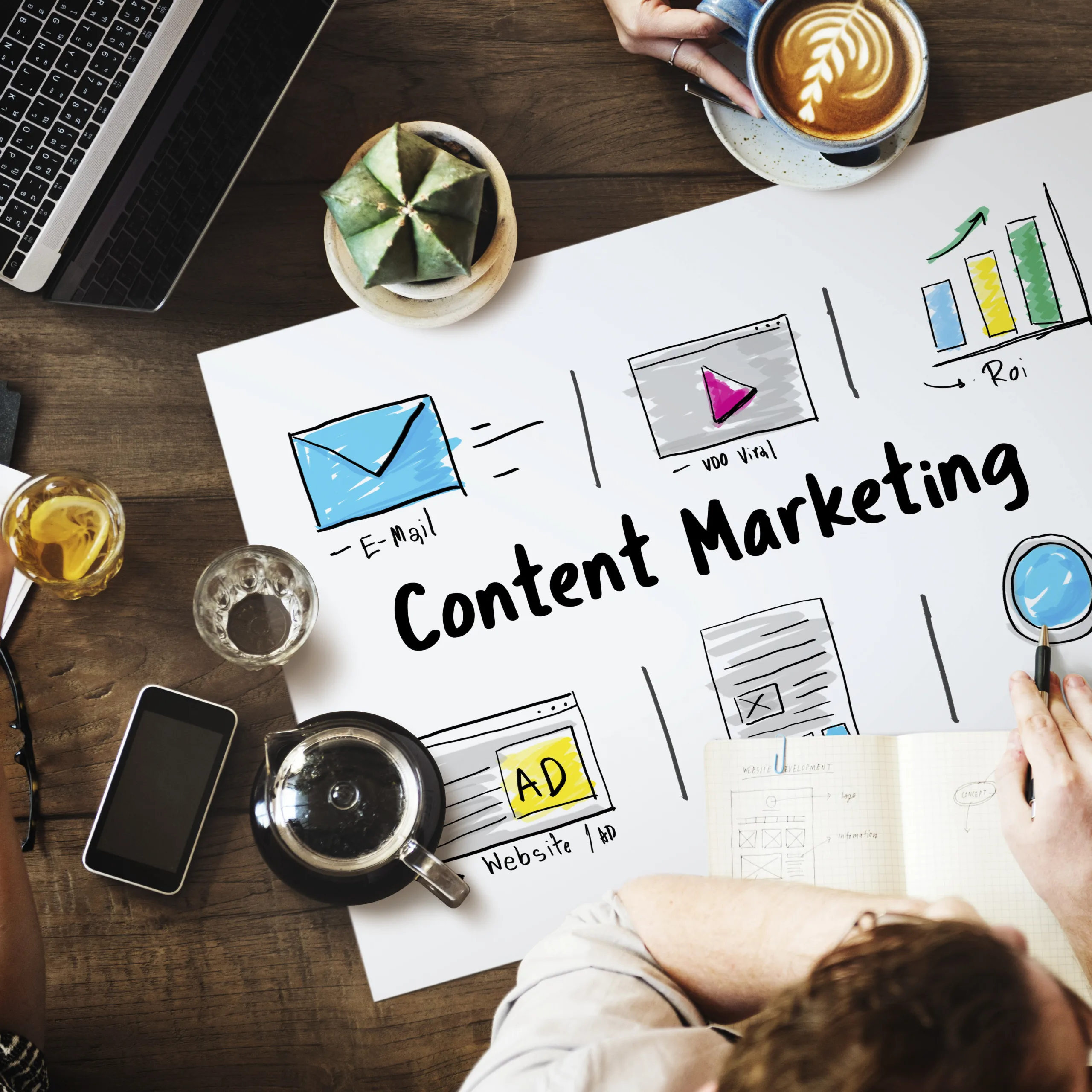
Authenticity reigns supreme in 2026. Consumers, weary of polished perfection, crave user-generated content (UGC), real stories, and community-driven engagement.
Short-form video remains dominant on platforms prioritizing quick, entertaining clips, yet long-form content builds deeper trust and authority.
Social media fatigue drives a pivot to community-first platforms—private groups, Discord servers, and niche forums—where brands foster genuine dialogue rather than broadcast messages.
Influencers evolve into co-creators, with micro- and nano-influencers delivering higher ROI through trusted recommendations.
Immersive technologies amplify this: AR filters, virtual showrooms, and spatial computing create memorable experiences. Retail media networks turn shopping into entertainment, while empathy-driven storytelling connects emotionally.
Brands that humanize their AI outputs—acknowledging limitations or blending with real testimonials—cut through the noise.
Data Privacy, First-Party Strategies, and Measurable ROI
Privacy is the new competitive advantage. With third-party cookies fading and regulations tightening, first-party data collection—built on transparent consent and value exchange—becomes essential.
Brands offering personalized incentives in return for data build loyalty while complying with standards.
Measurement shifts toward holistic impact. AI-powered analytics predict outcomes, attribute cross-channel journeys, and optimize in real time. CMOs demand clear ROI, pushing marketing teams to align with business outcomes like revenue growth and customer lifetime value.
Specialist roles surge: AI strategists, data ethicists, and creative technologists command premiums as generalists give way to experts.
Strategic Implementation: Business Plans and Expert Guidance
Implementing these trends requires more than tactics—it demands robust stategic business plans that integrate AI, data, and creativity into scalable frameworks.
Forward-thinking organizations audit current operations, identify gaps in personalization or visibility, and build roadmaps prioritizing first-party ecosystems and community engagement.
Expert marketing strategy provides the edge. Consultants help clarify vision, restructure operations for agility, and scale through targeted growth planning.
Leadership coaching ensures teams adapt mindsets, turning AI from threat to ally. In 2026, the most successful brands treat marketing as a core business function, not a cost center.
Looking Ahead: Human-AI Symbiosis and Ethical Innovation
2026 marks the year digital marketing matures into a symbiotic human-AI partnership. Brands embracing agentic AI for scale while doubling down on authenticity, privacy, and strategic foresight will dominate. Community, empathy, and measurable value replace hype and volume.
Marketers who invest in continuous learning—through personality development, strategic planning, and hands-on experimentation—position themselves as indispensable. The future favors those who blend cutting-edge technology with timeless human connection.
In summary, digital marketing in 2026 rewards agility, ethics, and creativity. By leveraging tools like advanced AI companions, prioritizing GEO and first-party data, and fostering authentic communities, brands create lasting impact.
The question is no longer whether to adopt these trends, but how boldly and strategically you implement them. Those who act now, guided by expert resources and personal growth, will lead the next era of customer-centric innovation.
