

Close Menu
    Facebook X (Twitter) Instagram
    • About
    • Privacy Policy
    • Write For Us
    • Newsletter
    • Contact
    Instagram
    About ChromebooksAbout Chromebooks
    • Linux
    • News
      • Stats
      • Reviews
    • AI
    • How to
      • DevOps
      • IP Address
    • Apps
    • Business
    • Q&A
      • Opinion
    • Gaming
      • Google Games
    • Blog
    • Podcast
    • Contact
    About ChromebooksAbout Chromebooks
    News

    Setting up a Chromebook for web development? You’ll want to read this guide

    Kevin TofelBy Kevin TofelOctober 22, 2019Updated:September 13, 2025No Comments2 Mins Read

    While I’ve noted many times that I code on my Pixel Slate and my newer Acer Chromebook Spin 13 with 16 GB of memory, all of my coding is on the back-end. Meaning, I typically use Java or Python, along with some APIs and cloud services, to build small apps and complete homework for my Computer Science classes at the local community college.

    It hasn’t taken me long to create a setup workflow in this case: Enable Linux in Chrome OS, download and install my preferred development environments, connect them to GitHub and go.
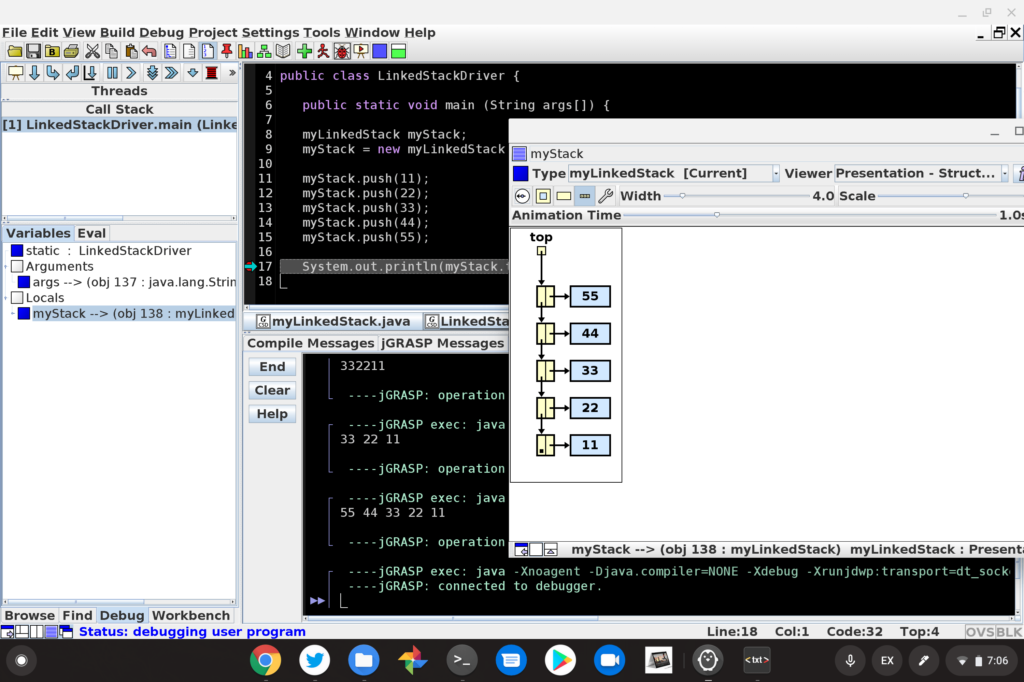
    Implementing a linked list stack in Java on the Pixel Slate – yay!

    Setting up the same devices for full-stack web development though? I’ve never done that.

    Luckily, John Stamp has. He’s a full-stack developer and he recently outlined his entire setup process for web development on a $200 Chromebook. It works well, or well enough, and the same process can be followed on just about any other Chromebook that supports Linux.

    From reading the detailed process, which of course, could vary depending on the tools you may want to use, I learned a bunch. Clearly, there are more steps in John’s setup than mine, simply because there are more moving parts.

    For instance, after enabling Linux on his Chromebook, John installs NodeJs, NPM, and XAMPP, all of which allow him to create web-based and stand-alone apps using JavaScript and PHP. Those tools are in addition to adding the Nautilus file manager and Atom code editor, both of which are useful for both devs and non-developers alike.
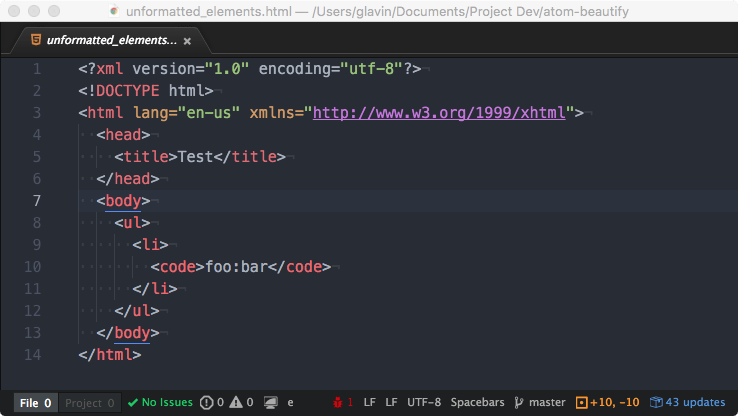
    Along the way throughout the process, John shares little tips and tricks that are specific to using a Chromebook and even provides fixes for some of the most common issues you may encounter, such as using an IP address to connect to the Linux container and display errors when trying to run a local webserver.

    Clearly, John put a ton of time and effort into this setup process, so if you want to take the plunge and do web development on your Chromebook using Linux, I highly recommend carefully reading his guide.

    Kevin Tofel
    • Website

    After spending 15 years in IT at Fortune 100 companies, Kevin turned a hobby into a career and began covering mobile technology in 2003. He writes daily on the industry and has co-hosted the weekly MobileTechRoundup podcast since 2006. His writing has appeared in print (The New York Times, PC Magazine and PC World) and he has been featured on NBC News in Philadelphia.

    Best of AI

    Imagen AI: The Best Photo Editing AI In 2026

    April 21, 2026

    Alphafold AI from Google Deepmind 2026

    April 21, 2026

    Agentic AI Pindrop Anonybit: The Future of Secure Identity Verification

    April 17, 2026

    Google Bard Statistics And User Data 2026

    April 10, 2026

    Azure OpenAI Explained

    April 10, 2026
    Trending Stats

    Chromebook Wi-Fi Performance Statistics 2026

    April 18, 2026

    Chromebook Crash Rates Statistics 2026

    April 17, 2026

    Chromebook Offline Usage Statistics 2026

    April 16, 2026

    Chromebook Upgrade VS Replacement Statistics 2026

    April 15, 2026

    Average RAM Usage On ChromeOS Statistics 2026

    April 14, 2026
    • About
    • Tech Guest Post
    • Contact
    • Privacy Policy
    • Sitemap
    © 2026 About Chrome Books. All rights reserved.

    Type above and press Enter to search. Press Esc to cancel.