


I’m getting this question a bunch lately now that Project Crostini is on most Chromebooks: What Linux apps should I install? The answer is, I don’t know. 😉 That’s because I don’t know what each individual is trying to do. But that doesn’t mean I can’t point you in the right direction to help.
Google now calls Crostini the Linux development environment, and it runs a Debian setup on most Chromebooks made since 2019. The new Googlebooks, which started shipping in October 2026, use a separate Linux Terminal preview that only handles command-line tools so far.
For me, I’m using Linux apps to do things I would normally do on my MacBook because I either can’t do them in a browser or because there isn’t quite a perfect Android app for what I need.
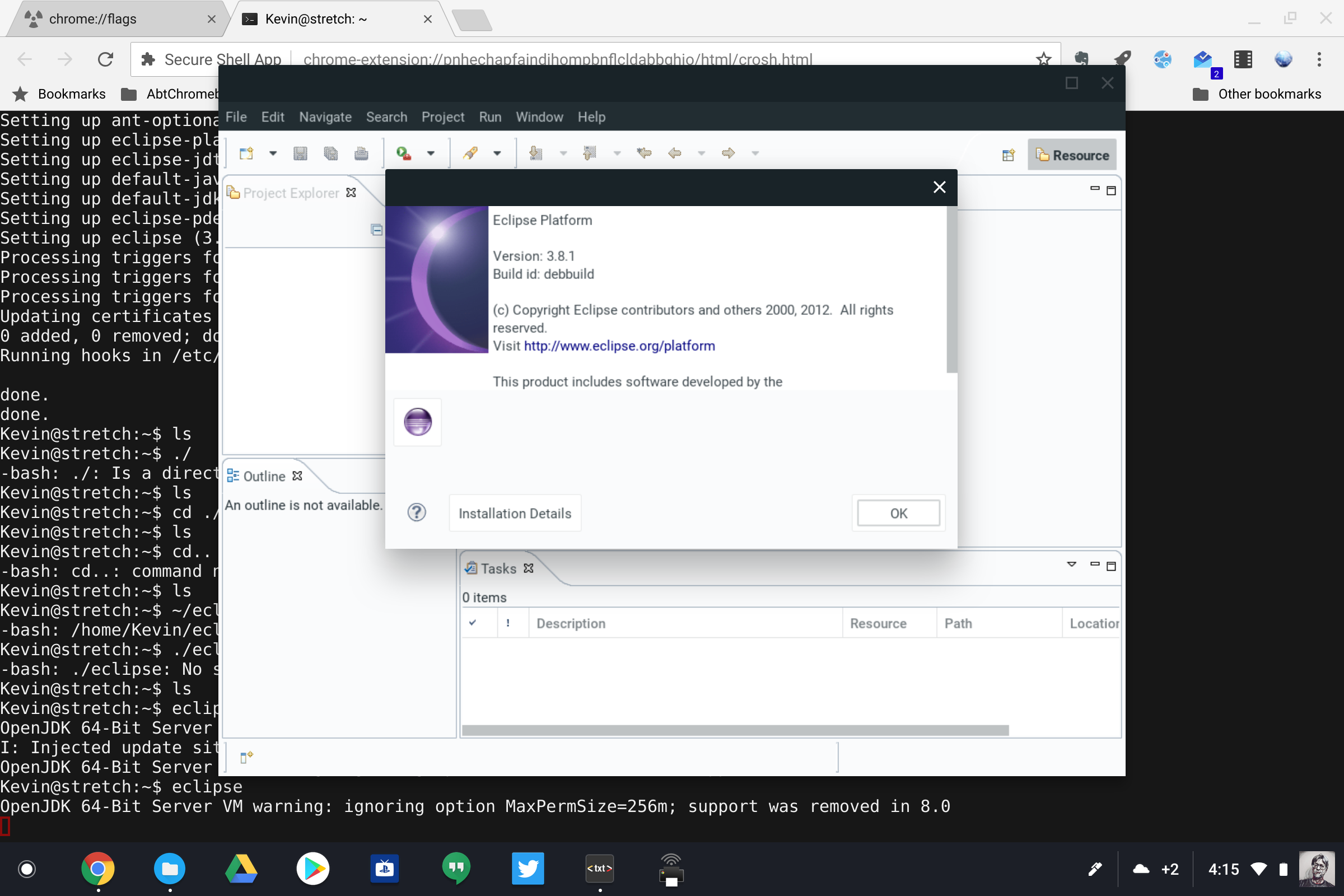
When I first wrote this, I was down to just one activity on the MB: Recording weekly podcasts. I have a multi-track audio recording over Skype and then need to edit the audio, add intro music, etc… On the MB, I used Skype for the conversation and Audacity for the edits. There was a Linux version of both apps so that solved my problem. Or at least it would once Google added audio support to Project Crostini.
Google did add it. There’s an “Allow Linux to access your microphone” toggle in the Linux development environment settings, and Audacity installs with apt or as a Flatpak. Skype is another story. Microsoft shut it down on May 5, 2025 and moved users to Teams, so that half of my old setup needs a new calling app. And I’d already moved my coding from the MB to the Pixelbook since most of the text editors and IDEs I use are available for Linux. Google dropped the Pixelbook line in 2022, but those tools work on any Chromebook with Linux.
If you don’t record podcasts or code then, what can you do using Linux on a Chromebook?
The best I can do is point you to this Wiki of Windows app equivalents for Linux. Parts of it are dated (it still lists Skype under VoIP software) but it’s still a decent resource to get you started. And it’s broken down into type of applications: Office and Productivity, Multimedia, Server, etc… so you can focus on the specific activities you’re looking to do on a Chromebook using Linux apps.
If you want a second resource that’s not quite as thorough, the Linux Alternative Project site might be worth the look as well. It still calls itself a beta, and its newest dated articles are from 2011.
Got fave Linux apps that you’re using on a Chromebook? Drop ’em in the comments and help the “Crostini Community” out!
