

Close Menu
    Facebook X (Twitter) Instagram
    • About
    • Privacy Policy
    • Write For Us
    • Newsletter
    • Contact
    Instagram
    About ChromebooksAbout Chromebooks
    • Linux
    • News
      • Stats
      • Reviews
    • AI
    • How to
      • DevOps
      • IP Address
    • Apps
    • Business
    • Q&A
      • Opinion
    • Gaming
      • Google Games
    • Blog
    • Podcast
    • Contact
    About ChromebooksAbout Chromebooks
    News

    Chromium team may bring VP8 hardware acceleration for Hangouts on Kaby Lake Chromebooks

    Kevin TofelBy Kevin TofelMay 9, 2018Updated:September 21, 2025No Comments2 Mins Read

    Have you ever been in a Google Hangout video call on a Chromebook and watch the battery life quickly drop while the device gets really hot? That’s because your video output uses a software encoder for the VP8 codec used in Hangouts, according to the Chromium OS team, which can overly tax the processor.

    The team hopes to address this by using hardware acceleration for VP8 encoding in Hangouts on new Chromebooks using Intel’s Kaby Lake chips. Or at the very least, they intend to test hardware acceleration to see if it helps reduce both CPU usage — which causes heat — and the use of a cooling fan on the CPU to draw off that heat. A positive result would be more battery life and less fan noise while in a video call.
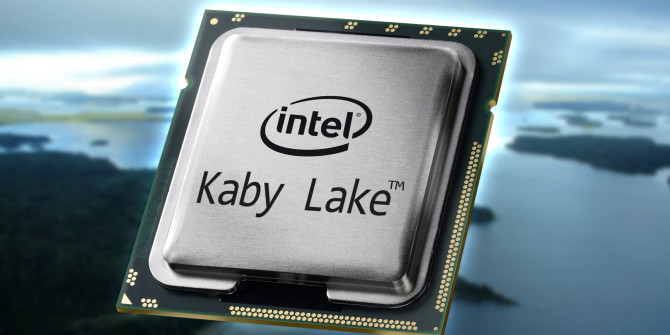
    This is just a formal intent to experiment internally with the Hangouts team, known as an origin trial. So it’s not likely we’ll see this feature available outside of Google, which would be a field trial. If the origin trial is positive, however, Google could, and likely would, expand testing beyond the Hangouts team.

    When I worked at Google, I was remote four days a week, so I lived on Hangouts on my Chromebook to communicate with my team through video calls. And I remember my battery getting eaten alive by those calls, so I was often limited to working while plugged in, which defeated the purpose of having a laptop to a point.

    Consumer users of Chromebooks don’t likely sit on Hangouts calls for hours each day, so this may not sound like a big deal to you. But in the business space, video calls can take up a large portion of the day, so hardware acceleration for Hangouts on newer devices would be a very welcome development.

    Kevin Tofel
    • Website

    After spending 15 years in IT at Fortune 100 companies, Kevin turned a hobby into a career and began covering mobile technology in 2003. He writes daily on the industry and has co-hosted the weekly MobileTechRoundup podcast since 2006. His writing has appeared in print (The New York Times, PC Magazine and PC World) and he has been featured on NBC News in Philadelphia.

    Best of AI

    Turn Photos to Videos: A Product Marketing Playbook

    August 18, 2026

    DeepSeek Statistics 2026: Users, Token Share, Pricing and Benchmark Data

    August 15, 2026

    Cursor AI Statistics 2026

    August 14, 2026

    AI Hardware Market Share Statistics 2026

    August 12, 2026

    AI Startup Funding Statistics by Region Statistics 2026

    August 7, 2026
    Trending Stats

    Two-Factor Authentication Adoption Statistics 2026

    August 15, 2026

    Chromebook Detachable VS Clamshell Sales Statistics 2026

    August 13, 2026

    MacOS Version Distribution And Demographics Statistics 2026

    August 5, 2026

    Small Language Model Adoption Statistics 2026

    August 3, 2026

    Linux Distribution Popularity Statistics 2026

    August 3, 2026
    • About
    • Tech Guest Post
    • Contact
    • Privacy Policy
    • Sitemap
    © 2026 About Chrome Books. All rights reserved.

    Type above and press Enter to search. Press Esc to cancel.