


Two more Googlebook boards built around Intel’s Core Series 3 chips, codenamed Wildcat Lake, have appeared in Chromium’s public code. One, “Oncilla,” has almost nothing in it yet. The other, “Bianco,” already lists its ports and has a likely link to Lenovo. That puts the family of lower-cost Intel Googlebook boards at 11. No company has announced a product, a price or a date.
What Oncilla’s first commit contains
Oncilla turned up on Chromium Gerrit, the public review system where Google and its hardware partners post code changes before they’re merged, and was first reported on November 17. Like the rest of this group, it’s built on Ocelot, the reference design Intel made for Wildcat Lake so manufacturers can start from a working template instead of a blank page. The first commit adds only basic configuration files, and Chrome Unboxed’s report on the tenth Wildcat Lake board notes that the battery and most other hardware aren’t set up yet. Apart from a hint of at least two USB-C ports, there are no specs.
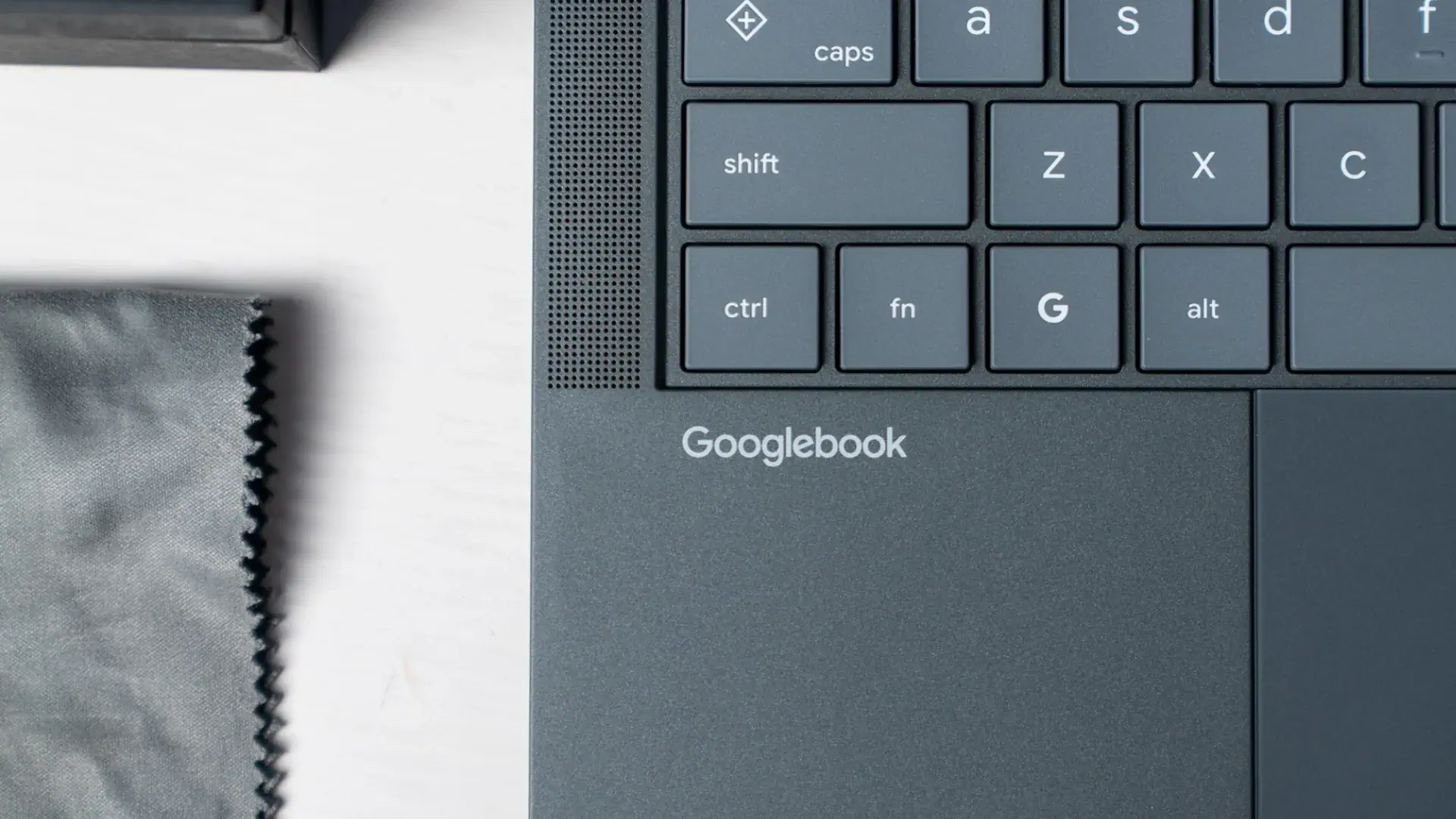
The developer who submitted the commit works for Longcheer, a Chinese ODM, or original design manufacturer, which is a company that designs and builds devices that other brands then sell under their own names. Longcheer mostly makes phones and tablets and has worked with Lenovo, Samsung and Xiaomi, among others. Nobody knows yet which brand Oncilla is for.
Bianco has more detail, and a Lenovo clue
Bianco was reported on November 18. So far, the only coverage comes from HelenTech and GbookHub, which share an author, so it’s best treated as one report. According to GbookHub’s write-up of the Bianco commits, it has two USB-C ports (one on each side), one USB-A port and HDMI. Memory is LPDDR5x, a fast type soldered to the motherboard, so it can’t be upgraded later. Storage is an NVMe SSD, the faster kind of drive used in most current laptops. The code doesn’t mention a sensor that detects the screen folding back, so Bianco is probably a regular clamshell laptop rather than a 2-in-1.
The submitting developer’s email address uses a domain belonging to LCFC, a Lenovo manufacturing company. That’s the only reason Bianco is being tied to Lenovo, and Lenovo hasn’t said anything. The company already sells the Lenovo Googlebook 15, which Android Central’s review advised readers to skip, and that model uses Intel’s pricier chips.
What 11 boards means for buyers and schools
The family now has Ojal, Matsu, Kodkod, Ocicat, Hekla, Coolum, Blanc, Libra, Pelion, Oncilla and Bianco. Only a week ago, Pelion became the ninth lower-cost Intel Googlebook board. A board name is an internal codename for a design, not a product name. One board can turn into several retail models, and some boards are dropped before they ship. If you’ve never looked up your own device’s codename, this guide to finding your Chromebook board name explains how it works.
Intel launched Core Series 3 on April 16, 2026 as its chip for value laptops, schools and small businesses. All of today’s Googlebooks use higher-end chips, and the cheapest, the Acer Googlebook 14, is listed at $899 on the Google Store. Wildcat Lake models are the obvious way to get below that price, but no prices have been given. Until a manufacturer announces one of these laptops, school IT staff and families have nothing to plan a purchase around.
