


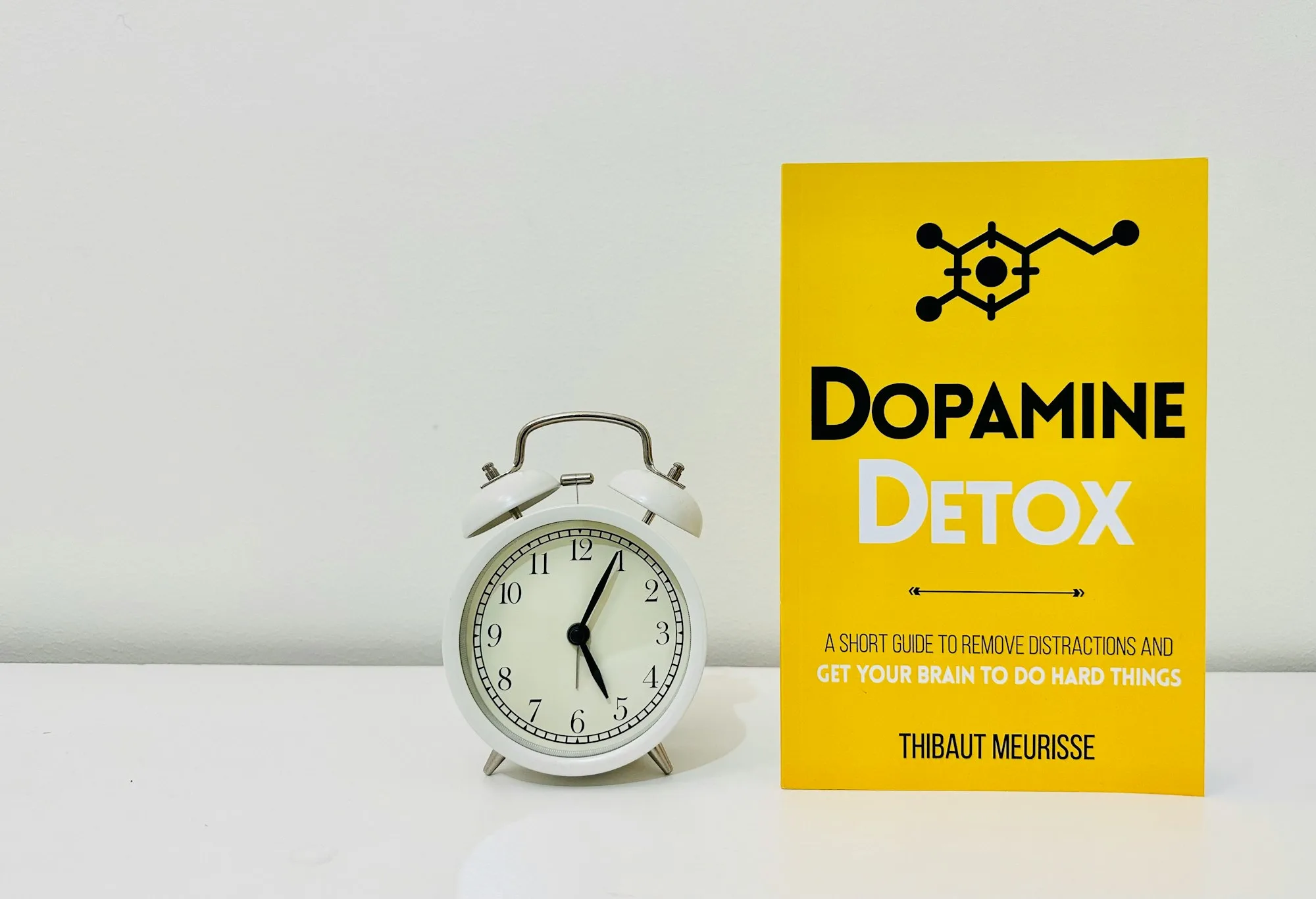
The phrase “dopamine detox” sounds dramatic, which is probably one reason it spread so quickly online. The basic idea is simple: take a break from activities that deliver constant stimulation, such as scrolling, gaming, binge-watching, or checking notifications every few minutes.
What makes the trend confusing is the name. You are not actually removing dopamine from your brain. Dopamine is a normal and essential chemical involved in motivation, learning, and reward. A better way to think about a dopamine detox is as a break from habits that keep demanding your attention.
What Dopamine Really Does in the Brain?
Dopamine is often called the “pleasure chemical,” but that description is too simple. It also helps with motivation, learning, and the feeling that something is worth doing again.
Your brain uses dopamine all the time. It is active when you eat, exercise, learn something new, finish a task, or look forward to a reward. This means you cannot simply switch it off by avoiding your phone for a day.
The real issue is repetition. Short videos, notifications, games, and fast-changing feeds can provide a steady stream of small rewards. When you get used to that pace, slower activities can start to feel less exciting.
That is why reading a book, studying, or sitting quietly may seem harder after spending a long time jumping between apps.
The goal of a reset is not to reduce dopamine itself. It is to reduce the number of quick rewards competing for your attention.
Why the Trend Became So Popular?
The idea became popular because many people recognize the problem immediately. Phones, apps, streaming, and social media make entertainment available at almost any moment, and switching between them can become automatic.
A dopamine detox also feels easy to try. You do not need special equipment, a course, or a complicated routine. Common reasons people try it:
- wanting to spend less time scrolling;
- finding it difficult to focus on one task;
- checking notifications without thinking;
- feeling bored very quickly without a screen;
- wanting more control over gaming or streaming habits.
The trend also fits perfectly into productivity culture. Ironically, many people first hear about dopamine detoxes through the same short-form videos and social platforms they later decide to limit.
Fast-paced entertainment can be part of that review too. Someone who spends time on a slotoro bet casino, for example, may look at gaming alongside streaming, social media, or mobile apps and ask a simple question: am I choosing this activity, or am I opening it automatically?
A Practical Dopamine Reset
There is no official medical version of a dopamine detox. Some people avoid screens for an entire day, while others focus on just one habit, such as social media or gaming. The more realistic approach is usually to reduce the habits that interrupt your attention most often.
Reducing High-Frequency Triggers
Start by noticing what pulls you away from what you are doing. It may be a notification, a social app on the home screen, or the habit of opening a video platform whenever you have a spare minute. Simple changes involve:
- turning off nonessential notifications;
- keeping the phone away during meals or focused work;
- choosing specific times for social media;
- avoiding screens for part of the evening;
- replacing automatic scrolling with walking, reading, or another activity.
Even a small change can be revealing. If you keep reaching for your phone after turning notifications off, you may discover that the habit is stronger than the notification itself.
Reintroducing Slower Activities
Once the constant stimulation is reduced, slower activities have more room to return. Reading, exercise, cooking, drawing, long conversations, or focused work do not usually deliver a new reward every few seconds. That can make them feel less exciting at first.
Periods of boredom can help too. Sitting for a few minutes without immediately opening an app gives your attention a chance to settle instead of jumping straight to the next source of stimulation.
The Science Behind the Myths
The biggest myth is that a dopamine detox “cleans” or “resets” dopamine in the brain. That is not how the system works.
Avoiding social media or gaming for a few hours does not remove dopamine, and there is no simple switch that resets dopamine receptors after a screen-free day.
The useful part of the trend is behavioral. Changing cues, breaking routines, and reducing automatic responses can make habits easier to notice and manage.
That is a much more realistic explanation for why some people feel more focused after taking a break. They have changed what is competing for their attention, not chemically detoxed their brain.
A short reset also should not be treated as a cure for addiction, anxiety, depression, or burnout. Those problems are more complex and may need professional support.
Making the Reset Useful
A dopamine detox works best as a small experiment with your own habits. Choose one or two activities that feel too automatic, reduce them for a while, and pay attention to what changes.
The most useful part comes afterward, because returning immediately to the same notification settings and routines can make the effect short-lived. Keeping a few boundaries in place makes the change more practical.
The name “dopamine detox” may be scientifically misleading, but the idea underneath it is straightforward: less automatic stimulation can create more room for deliberate attention.
